In industrial manufacturing, the quality of a fastening component often determines the quality of the entire assembly. Custom hardware stamping stainless steel riveting parts are small in size, but they perform a critical function: they create secure, permanent, repeatable joints in metal, plastic, composite, and mixed-material structures. When used in automotive assemblies, aerospace components, marine equipment, architectural metalwork, food processing machinery, or chemical processing plants, these riveting parts must resist corrosion, vibration, temperature changes, and long-term mechanical stress.
The product discussed in this article is a precision-engineered stainless steel riveting part manufactured through advanced stamping and metal fabrication processes. It is designed for industrial users who require consistent dimensions, clean surfaces, reliable strength, and dependable performance in harsh environments. Available in stainless steel grades such as 304 and 316, and in a range of sizes including M3 to M12, these riveting parts provide a high-strength fastening solution for OEMs, equipment builders, metalworking companies, and maintenance operations.
Unlike ordinary low-grade fasteners that may deform, rust, loosen, or damage the assembled material, stainless steel riveting parts are built for durability. Their corrosion resistance makes them suitable for marine and chemical environments, while their temperature resistance supports use in demanding industrial systems. Their smooth finish helps protect mating materials, and their customized dimensions allow them to match specific engineering requirements.
Custom Hardware Stamping Stainless Steel Riveting Parts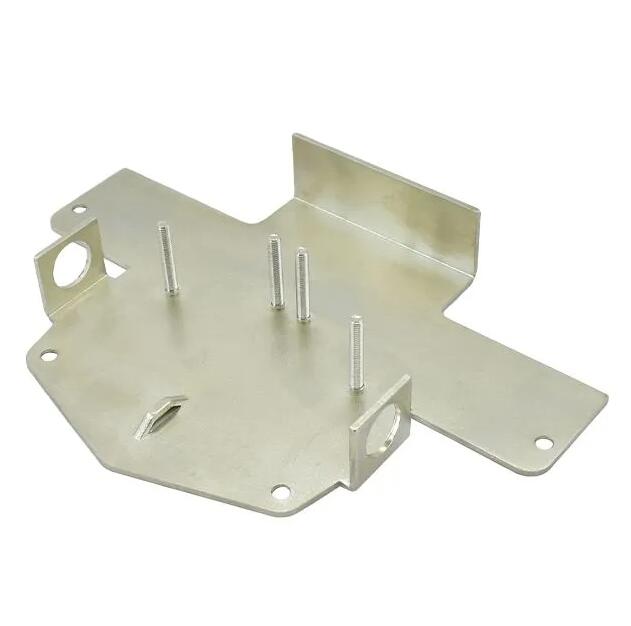
Understanding Stainless Steel Riveting Parts
Stainless steel riveting parts are mechanical fastening components used to join two or more pieces of material through deformation, compression, or a riveting process. Once installed, they usually form a permanent connection that does not rely on thread engagement alone. This makes them highly valuable in applications where vibration resistance, tamper resistance, and joint security are important.
In many assemblies, screws and bolts are removable and depend on torque control, washers, or locking features to stay secure. Rivets, by contrast, are designed to clamp materials together through a formed head, expanded body, or press-fit structure. This creates a stable joint that performs well even when exposed to repetitive loading, impact, or thermal cycling.
The term “custom hardware stamping stainless steel riveting parts” refers not only to standard rivets, but also to stamped riveting components, semi-tubular rivets, custom collars, pressed fastener elements, special head forms, and other precision metal parts used in riveting or permanent fastening systems. Through stamping, forming, and secondary machining, manufacturers can produce customized geometries that meet the specific needs of industrial equipment and product assemblies.
Stainless steel is particularly important for these parts because it combines strength, corrosion resistance, and visual cleanliness. For products used outdoors, in wet locations, near saltwater, or inside processing machinery, ordinary carbon steel may require plating or coating to resist rust. Stainless steel provides inherent corrosion resistance, reducing the risk of coating damage, red rust, and contamination. This is especially useful in food processing, marine hardware, chemical systems, and architectural applications.
Material Advantages: 304 and 316 Stainless Steel
The performance of a riveting part begins with its material. The use of 304 and 316 stainless steel provides a strong foundation for industrial reliability. Both grades are austenitic stainless steels, widely used because of their excellent balance of corrosion resistance, ductility, formability, and mechanical strength.
304 stainless steel is one of the most common stainless alloys in industrial manufacturing. It contains chromium and nickel, giving it strong resistance to oxidation and general atmospheric corrosion. It is well suited for machinery, household hardware, architectural metalwork, light industrial equipment, automotive components, and many indoor or outdoor applications. Its formability also makes it suitable for stamping operations where the part must be shaped accurately without cracking.
316 stainless steel offers enhanced corrosion resistance because it contains molybdenum. This improves performance in chloride-rich environments, including marine conditions, coastal structures, chemical equipment, and applications exposed to cleaning agents or industrial fluids. For riveting parts used in boats, offshore equipment, chemical processing systems, or food machinery cleaned with aggressive solutions, 316 stainless steel can provide a longer service life than standard stainless grades.
Compared with plated carbon steel fasteners, 304 and 316 stainless steel riveting parts offer a major advantage: corrosion resistance is not merely a surface layer. Plated components may perform well when new, but if the plating is scratched, worn, or damaged during installation, the exposed base metal can corrode. Stainless steel resists corrosion throughout the material, which improves reliability in long-term service.
Another advantage is cleanliness. Stainless steel is preferred in industries where rust particles, coating flakes, or surface contamination cannot be tolerated. In food processing equipment, pharmaceutical machinery, packaging lines, and precision instruments, the use of stainless steel fasteners supports hygienic design and reduces maintenance risks.
Key Product Features
Custom stainless steel riveting parts provide a combination of mechanical, environmental, and manufacturing advantages. Their value is not limited to strength alone; it comes from the integration of material quality, dimensional precision, surface control, and customization capability.
These parts are manufactured from premium 304 or 316 stainless steel to achieve corrosion resistance and stable mechanical properties. They can support high tensile strength, with values up to 700 MPa depending on material condition, geometry, and production specification. This enables the parts to perform in demanding fastening applications where joint integrity is essential.
The temperature resistance range from extremely low cryogenic conditions to high-temperature industrial environments makes stainless steel riveting parts suitable for systems exposed to thermal variation. In many applications, stainless steel maintains toughness at low temperature and oxidation resistance at elevated temperature, which helps preserve fastening performance under challenging conditions.
The smooth surface finish is another important feature. A rough or poorly finished rivet can scratch panels, introduce stress points, interfere with installation, or create areas where corrosion begins. Precision finishing reduces these risks and improves assembly appearance. In visible architectural metalwork or consumer-facing equipment, the clean appearance of stainless steel also contributes to product quality.
Customization is central to the product’s value. Available sizes from M3 to M12 and multiple head styles allow engineers to select the correct fastening part for different panel thicknesses, assembly forces, head clearance requirements, and visual preferences. Custom specifications can also be developed for OEM projects, including special diameters, lengths, head shapes, shoulder forms, hole patterns, surface finishes, and packaging requirements.
Performance Comparison with Ordinary Fastening Options
Industrial buyers often compare riveting parts with screws, bolts, welds, adhesives, and standard rivets. Each fastening method has a place, but stainless steel riveting parts provide distinct advantages in many production environments.
Compared with ordinary carbon steel rivets, stainless steel riveting parts deliver superior corrosion resistance. Carbon steel parts often require zinc plating, nickel plating, black oxide, paint, or other coatings. These finishes may reduce initial corrosion, but they can be damaged during handling or installation. Stainless steel reduces dependence on external coatings and provides more consistent long-term protection.
Compared with aluminum rivets, stainless steel riveting parts generally offer higher strength and better heat resistance. Aluminum is lightweight and corrosion resistant in many environments, but it may not provide the required mechanical strength for heavy-duty industrial assemblies. Stainless steel is better suited for applications where load-bearing capacity, wear resistance, and temperature performance are priorities.
Compared with threaded screws, rivets offer improved resistance to loosening under vibration. Screws may require thread-locking compounds, lock washers, nylon patches, or torque monitoring. A properly installed rivet forms a permanent joint that does not back out in the same way a threaded fastener can. This is particularly important in transportation, machinery, and equipment exposed to vibration.
Compared with welding, riveting can reduce heat distortion and simplify assembly. Welding may alter the metallurgical structure of the base material, create discoloration, introduce residual stress, or require skilled labor and post-processing. Riveting can often be performed quickly, repeatably, and without applying high heat to the assembly. This makes it useful for thin sheets, coated panels, dissimilar materials, and modular manufacturing.
Compared with adhesives, riveting provides immediate mechanical strength and does not require curing time. Adhesives may be effective in certain applications, but their performance can be affected by surface preparation, temperature, chemical exposure, and aging. Rivets deliver predictable mechanical retention and can be inspected visually or dimensionally after installation.
| Fastening Option | Main Advantage | Typical Limitation | Why Stainless Steel Riveting Parts Stand Out |
|---|---|---|---|
| Carbon Steel Rivets | Low initial cost | May rust if coating is damaged | 304 and 316 stainless steel provide long-term corrosion resistance |
| Aluminum Rivets | Lightweight and easy to install | Lower strength in heavy-duty applications | Stainless steel supports higher mechanical loads and better heat resistance |
| Threaded Screws | Removable and easy to service | Can loosen under vibration | Riveting creates a secure permanent joint |
| Welding | Strong metal-to-metal joining | May cause heat distortion and require skilled labor | Riveting avoids heat-affected zones and supports fast assembly |
| Adhesives | Good for sealing and lightweight joining | Requires curing and careful surface preparation | Riveting provides immediate mechanical strength |
Advanced Stamping and Manufacturing Process
The quality of a stainless steel riveting part depends heavily on the manufacturing process. Advanced stamping is not simply pressing metal into a shape; it is a controlled production system involving material selection, tooling design, precision forming, surface treatment, inspection, and packaging.
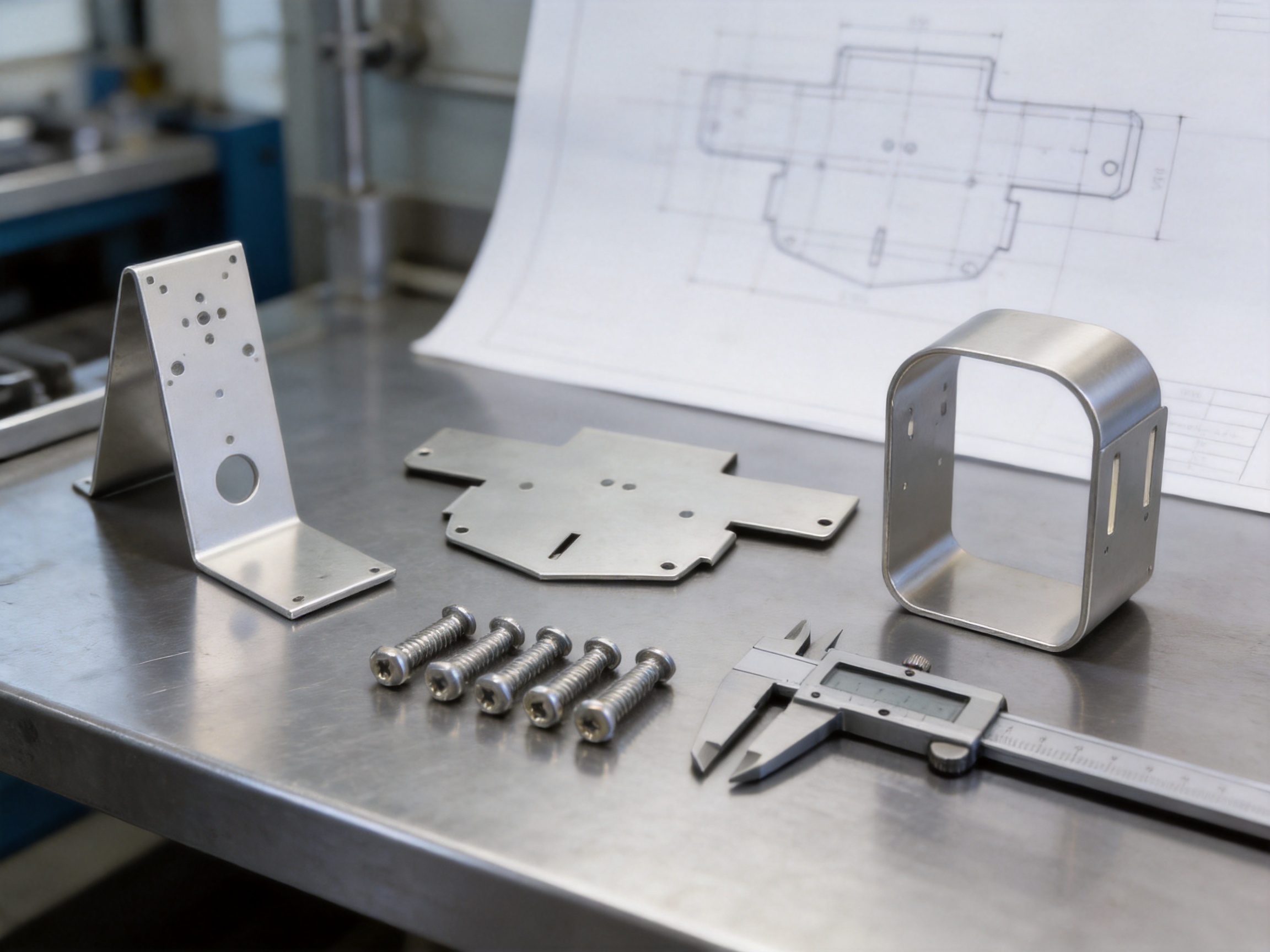
The process begins with engineering review and design for manufacturability. For custom OEM components, drawings, samples, material requirements, dimensional tolerances, installation conditions, and application environments are evaluated. Engineers study whether the part should be manufactured by progressive stamping, single-stage stamping, forming, deep drawing, heading, secondary machining, or a combination of processes.
Material selection is then confirmed. Stainless steel sheet, strip, wire, or bar stock must meet chemical composition and mechanical property requirements. For 304 and 316 stainless steel, incoming material inspection may include certificate review, hardness verification, thickness measurement, and surface condition checks. Consistent raw material quality helps ensure stable forming behavior and predictable finished-part strength.
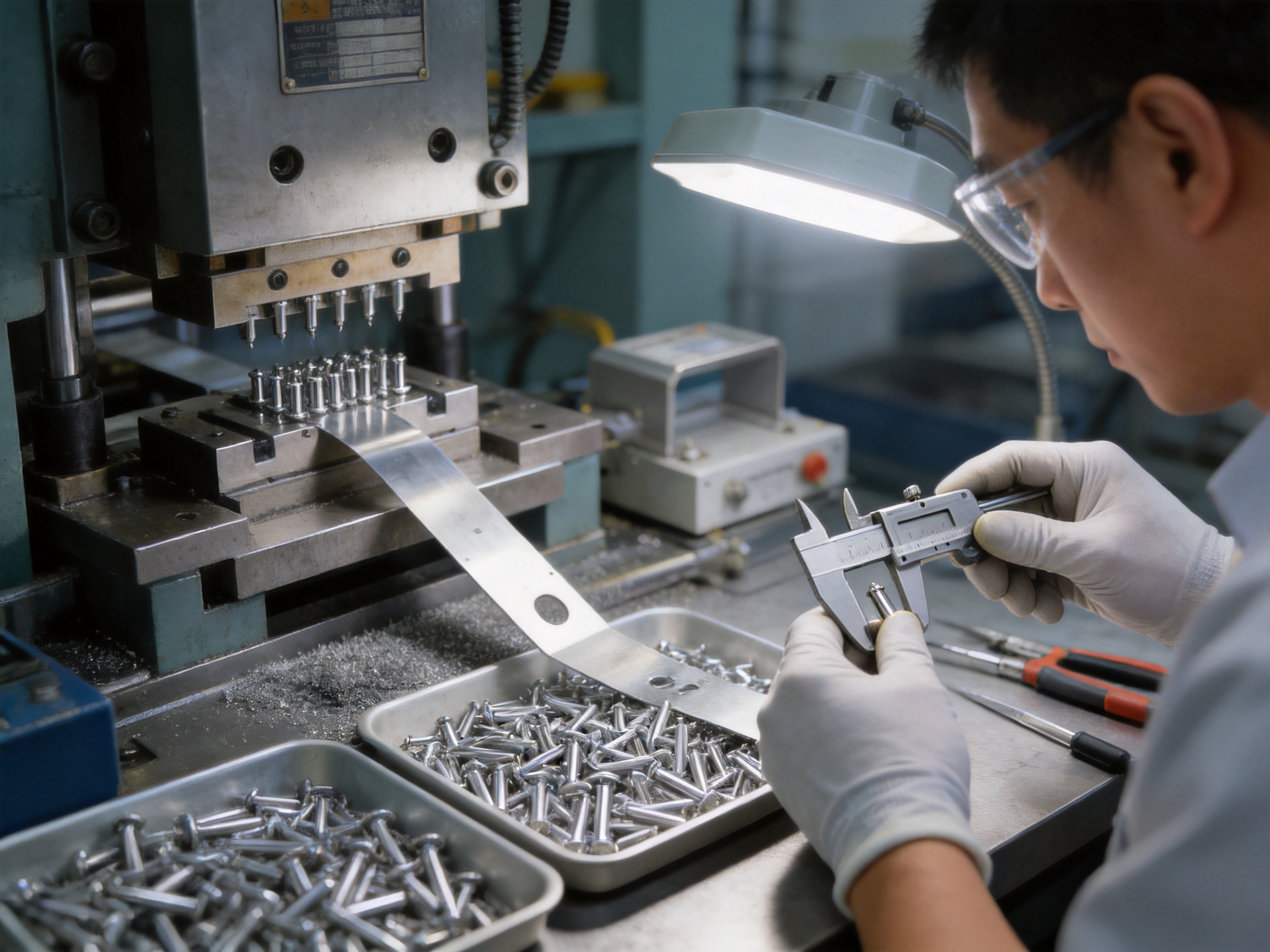
Tooling is one of the most important parts of the process. Precision dies determine the dimensional accuracy, edge quality, forming repeatability, and production efficiency of stamped riveting parts. A well-designed die controls material flow, minimizes burrs, reduces cracking risk, and maintains part consistency across large production batches. Tooling may include blanking stations, piercing stations, forming stations, trimming stations, and calibration stations.
During stamping, stainless steel is shaped under controlled pressure. Stainless steel is tougher than many low-carbon steels and can work-harden during forming, so press parameters must be carefully controlled. Proper lubrication, die clearance, punch geometry, feed accuracy, and press speed are essential. Poor process control may cause galling, edge cracking, springback, or dimensional variation. Advanced manufacturers use refined tooling and process control to reduce these problems.
For certain riveting parts, secondary processes may be required. These can include tapping, chamfering, polishing, passivation, heat treatment, cleaning, or assembly with other components. Passivation is especially valuable for stainless steel because it helps enhance the protective oxide layer on the surface, improving corrosion resistance after forming or machining.
Deburring and finishing are also critical. A rivet that contains sharp burrs can damage the workpiece or interfere with installation. Controlled deburring produces smoother edges and safer handling. Polishing or surface finishing can improve appearance and reduce friction during assembly. For parts used in visible or hygienic applications, surface quality is often just as important as dimensional accuracy.
Quality Control and Testing
Industrial fasteners must be consistent. A single defective riveting part can stop an assembly line, compromise product safety, or lead to expensive field failures. For this reason, reliable production requires comprehensive quality control from raw material to final shipment.
Incoming quality control begins with stainless steel verification. Material certificates are reviewed to confirm grade, composition, and mechanical properties. Thickness, diameter, hardness, and surface quality may be checked before production begins. This prevents material mix-ups and reduces variation during forming.
In-process inspection monitors critical dimensions during stamping and forming. Operators and quality technicians may use calipers, micrometers, height gauges, optical inspection systems, pin gauges, thread gauges, and customized fixtures. Statistical process control can be applied to monitor dimensional trends and detect tooling wear before parts drift out of tolerance.
Finished parts may undergo tensile testing, shear testing, hardness testing, salt spray testing, surface inspection, and functional installation testing, depending on project requirements. Tensile strength up to 700 MPa can be validated according to the material and part design. Corrosion resistance can be evaluated through salt spray or environmental exposure tests, especially for marine and chemical applications.
Dimensional inspection is especially important for custom riveting parts because small variations can affect installation force, grip range, head formation, or final joint strength. If the shaft diameter is too large, installation may be difficult or may damage the panel. If it is too small, the joint may be loose. If the head height or shoulder length is incorrect, the assembled product may fail inspection. Precision manufacturing prevents these issues.
Quality systems such as ISO 9001:2015 support repeatability by defining procedures for documentation, process control, corrective action, supplier management, and continuous improvement. Compliance with CE and RoHS requirements also supports use in regulated markets and environmentally responsible supply chains.
Advantages for OEM and Custom Projects
OEM customers often require fastening parts that standard catalogs cannot provide. A product may need a special head diameter, a controlled bearing surface, a unique shoulder, a specific length, a non-standard hole tolerance, or a particular finish. Custom stainless steel riveting parts are ideal for these situations because they can be designed around the application instead of forcing the application to adapt to a standard fastener.
Customization can improve product performance. For example, a wider head may distribute load over a larger area and prevent deformation of thin sheet metal. A low-profile head may be required when clearance is limited. A semi-tubular structure may reduce installation force while maintaining joint strength. A polished surface may prevent scratching in decorative metalwork. A 316 stainless steel specification may be necessary for coastal or chemical exposure.
Customization can also reduce assembly cost. If a special stamped riveting part replaces multiple washers, spacers, screws, or secondary operations, the total assembly process becomes faster and simpler. A well-designed rivet can combine locating, spacing, clamping, and fastening functions in one component. This reduces part count, purchasing complexity, inventory management, and installation time.
For mass production, custom stamped parts can be highly cost-effective. Once tooling is developed, progressive stamping can produce large quantities with excellent repeatability. This is especially valuable for automotive, appliance, electronics, furniture hardware, machinery, and packaging equipment manufacturers that need stable quality across high-volume production runs.
Engineering support is another advantage. Experienced manufacturing teams can review drawings, suggest material options, optimize tolerances, and recommend design improvements that reduce production risk. For example, they may adjust bend radii to prevent cracking, refine hole clearances to reduce burrs, or modify head geometry to improve installation. This collaboration helps customers achieve better performance and lower total cost.
Applications in Automotive Assemblies
Automotive manufacturing requires fasteners that can withstand vibration, temperature changes, moisture, road salt, and repetitive mechanical loads. Stainless steel riveting parts are used in brackets, panels, trim assemblies, seat structures, exhaust-related components, underbody hardware, electrical enclosures, and other automotive systems.
In vehicles, fastening reliability is essential because components are exposed to constant motion. Threaded fasteners can loosen if not properly secured, while welded joints may be impractical for thin sheet assemblies or dissimilar materials. Riveting provides a permanent mechanical connection that is suitable for high-speed assembly lines and repeatable production.
Stainless steel is especially beneficial in automotive applications exposed to water, salt, or road chemicals. Components near wheel wells, underbody structures, exterior panels, and engine compartments may face corrosive conditions. Stainless steel riveting parts help extend service life and reduce warranty risks.
Custom stamped riveting parts can also support lightweight vehicle designs. As manufacturers use thinner materials, aluminum panels, composites, and mixed-material assemblies, fastening solutions must join materials without causing distortion or galvanic problems. The correct rivet design and material selection can help achieve strong joints while protecting the base material.
Applications in Aerospace Components
Aerospace applications demand precision, traceability, and high performance. Fastening parts used in aircraft interiors, structural subassemblies, access panels, equipment mounts, and support brackets must be manufactured with close dimensional control and reliable material properties.
Stainless steel riveting parts can provide strength, corrosion resistance, and temperature stability for aerospace-related systems. While specific aerospace projects may require specialized standards and approvals, the fundamental benefits of stainless steel riveting remain valuable: secure permanent joints, resistance to environmental exposure, and clean surface quality.
Precision stamping is important because aerospace assemblies often have strict tolerance requirements. A rivet that is slightly oversized, undersized, or improperly finished can create installation problems. Advanced tooling, inspection systems, and quality documentation help ensure consistency from batch to batch.
In aerospace interiors and equipment systems, appearance and cleanliness also matter. Smooth stainless steel surfaces reduce snagging, minimize contamination risk, and support a professional finish. When customized head styles are required, stamping and secondary forming can produce parts that fit the design intent precisely.
Applications in Marine Equipment
Marine environments are among the most challenging for fasteners. Saltwater, humidity, spray, ultraviolet exposure, and constant movement can quickly damage ordinary metal parts. Stainless steel riveting parts, especially those manufactured from 316 stainless steel, are highly suitable for marine equipment.
Marine applications include boat fittings, dock hardware, deck structures, ladders, railings, hatches, cabinets, engine compartment accessories, and offshore equipment. In these applications, corrosion resistance is not optional; it is essential for safety, function, and appearance.
Compared with plated fasteners, stainless steel provides more reliable long-term protection because its corrosion resistance is part of the material. If a plated rivet is scratched during installation, rust may start at the damaged area. A stainless steel rivet is more tolerant of handling and environmental exposure.
316 stainless steel is often preferred for marine use because molybdenum improves resistance to chloride attack. This makes it more suitable than general-purpose materials in coastal or saltwater conditions. When combined with proper design, drainage, and maintenance, stainless steel riveting parts can significantly extend the service life of marine assemblies.
Applications in Architectural Metalwork
Architectural metalwork requires fasteners that provide both strength and visual quality. Stainless steel riveting parts are used in facades, railings, decorative panels, signage, doors, frames, ceiling systems, interior fixtures, and public infrastructure.
In visible applications, a fastener must not only hold parts together but also contribute to the final appearance. Smooth stainless steel heads provide a clean, modern look. Custom head styles allow designers to achieve a specific visual effect, whether low-profile, rounded, flat, countersunk, or decorative.
Outdoor architectural elements are exposed to rain, pollution, temperature changes, and sometimes coastal salt. Stainless steel helps prevent staining and corrosion, protecting the appearance of the structure over time. This reduces maintenance and replacement costs.
Riveting is also useful in architectural fabrication because it can join thin metal panels without the distortion associated with welding. It allows fabricators to assemble parts quickly and consistently while maintaining a neat finish. For large construction or infrastructure projects, reliable fastening helps ensure long-term structural and aesthetic performance.
Applications in Food Processing Machinery
Food processing equipment requires materials that are clean, corrosion resistant, and easy to maintain. Stainless steel is widely used in food machinery because it resists rust, tolerates cleaning chemicals, and supports hygienic design. Stainless steel riveting parts are therefore suitable for conveyors, guards, enclosures, packaging machines, processing frames, sorting equipment, and related machinery.
In food environments, fasteners must not release rust, coating flakes, or contaminants into the production area. Stainless steel reduces these risks. Smooth surfaces are easier to clean and less likely to trap residue. Properly finished riveting parts also reduce the possibility of sharp edges that could collect debris or injure operators during maintenance.
Riveting can be useful where threaded fasteners are undesirable because they may loosen, collect residue in threads, or require frequent checking. Permanent riveted joints can improve safety and reduce maintenance in selected applications. For removable panels, screws may still be required, but for permanent assemblies, stainless steel rivets provide reliable fastening.
316 stainless steel may be chosen when equipment is exposed to salt, acidic ingredients, or aggressive cleaning agents. By matching the material grade to the operating environment, equipment builders can improve durability and compliance with hygiene expectations.
Applications in Chemical Processing Plants
Chemical processing plants expose fasteners to corrosive vapors, liquids, cleaning processes, and temperature variation. Standard fasteners can fail prematurely in these environments, leading to leaks, loose panels, equipment downtime, and safety concerns. Stainless steel riveting parts provide a more robust option for many chemical equipment assemblies.
316 stainless steel is especially valuable in chemical applications because of its improved resistance to many corrosive conditions. While no single stainless steel grade is suitable for every chemical environment, 316 offers a strong balance for many industrial uses. For severe chemical exposure, engineers should evaluate compatibility with the specific media, concentration, and temperature.
Riveting parts may be used in protective covers, brackets, frames, enclosures, ducting, processing machinery, control cabinets, and support structures. Their secure mechanical connection helps maintain assembly integrity even where vibration or thermal cycling occurs.
Custom manufacturing is important in chemical equipment because standard fasteners may not match special sealing, spacing, or corrosion requirements. A custom stamped rivet can be designed with a specific head shape, bearing area, or installation feature to meet the equipment designer’s needs.
Why Precision Stamping Improves Product Value
Precision stamping offers several advantages over less controlled fabrication methods. It enables high repeatability, efficient production, consistent surface quality, and the ability to create complex shapes at scale. For stainless steel riveting parts, these advantages directly affect customer value.
Repeatability is essential for automated or semi-automated assembly. If each rivet has the same diameter, length, head height, and surface condition, installation equipment can operate smoothly. Inconsistent parts cause jams, misfeeds, variable installation force, and defective joints. Precision stamping reduces these risks.
Efficiency is another benefit. Once the die and process are validated, stamping can produce large quantities quickly. This helps reduce unit cost for volume orders and supports just-in-time delivery programs. Customers benefit from stable supply, shorter lead times, and predictable pricing.
Precision stamping also supports material efficiency. Proper strip layout and die design can reduce scrap, improving cost control and sustainability. In stainless steel production, material savings are meaningful because stainless steel is more expensive than ordinary carbon steel.
Complex geometry is possible through progressive tooling. A part may be blanked, pierced, formed, embossed, and trimmed in sequence. This allows one stamped component to replace multiple assembled pieces. By integrating functions into a single part, manufacturers can reduce assembly steps and improve product reliability.
Company Manufacturing Strengths
Lizhan Hardware Co., Ltd. brings more than 15 years of specialty metal fabrication experience to the production of stainless steel riveting parts and other hardware components. This experience is important because stainless steel stamping requires practical knowledge of material behavior, tooling maintenance, dimensional control, and finishing methods.
The company operates with ISO 9001:2015 certified production, supporting systematic quality control and process consistency. For customers, this means orders are not treated as isolated production runs; they are managed through documented procedures that support traceability, inspection, corrective action, and continuous improvement.
Manufacturing strength includes engineering support for custom specifications. Many customers do not only need a part; they need a solution that fits an assembly condition. Technical teams can help evaluate drawings, recommend materials, improve manufacturability, and identify cost-saving design changes. This support is especially valuable for OEM projects where performance, cost, and production efficiency must be balanced.
The company’s capabilities also include just-in-time delivery support. In modern manufacturing, inventory costs and supply reliability are major concerns. A supplier that can coordinate production schedules, packaging, and logistics helps customers maintain stable assembly operations without excessive stock.
With a China factory and a Thailand warehouse, the company is positioned to support international customers with manufacturing capacity and regional logistics flexibility. This can help reduce supply chain pressure for customers operating across different markets. Combined with responsive communication through email, WhatsApp, and WeChat, the company can provide practical support from inquiry to delivery.
Competitive Advantages Over Typical Suppliers
Many fastener suppliers can provide standard parts, but not all can deliver custom stamped stainless steel riveting parts with stable quality, engineering support, and controlled production. The competitive strength of this product lies in the combination of material quality, manufacturing precision, customization, quality certification, and service.
First, the use of premium stainless steel differentiates the product from low-cost alternatives. Some competitors may offer cheaper plated steel parts, but those parts may not provide the same corrosion resistance or service life. In demanding environments, the lower purchase price can be offset by higher maintenance costs, replacement frequency, or failure risk. Stainless steel provides better long-term value.
Second, precision stamping and controlled finishing help ensure consistent assembly performance. Low-quality rivets may have burrs, uneven heads, inaccurate diameters, or inconsistent hardness. These defects can slow production and damage customer products. A controlled manufacturing process reduces such problems and improves confidence in automated assembly.
Third, customization allows customers to optimize the fastener for the application. A supplier that only sells catalog items may force engineers to compromise. Custom hardware stamping enables a part to be designed around the customer’s load requirements, installation method, material thickness, clearance, and environmental conditions.
Fourth, quality systems and compliance support professional procurement. ISO 9001:2015 certification, CE certification, and RoHS compliance help customers meet internal and external requirements. This is especially important for industries with formal supplier approval processes.
Fifth, engineering and delivery support improve the total purchasing experience. A fast response, technical feedback, packaging flexibility, and just-in-time delivery can be as important as the part itself. Customers benefit from a supplier that understands both manufacturing and supply chain needs.
Design Considerations for Selecting Riveting Parts
Selecting the correct stainless steel riveting part requires more than choosing a diameter from a catalog. Engineers should consider joint material, total thickness, load direction, installation method, environmental exposure, appearance requirements, and service life expectations.
The first consideration is material compatibility. If the rivet will contact aluminum, carbon steel, stainless steel, plastic, or composite material, galvanic corrosion and mechanical behavior should be evaluated. Stainless steel is highly corrosion resistant, but in some mixed-metal assemblies, isolation washers, coatings, or drainage design may be needed to prevent galvanic effects.
The second consideration is grip range and panel thickness. The rivet must be long enough to form a secure joint, but not so long that excess material causes installation defects. Custom lengths can solve problems where standard sizes are not ideal.
The third consideration is head style. A large flange head spreads load and protects soft materials. A countersunk head provides a flush surface. A round head offers a traditional appearance and good strength. A low-profile head is useful where clearance is limited. Custom stamping can create head features that match functional and visual needs.
The fourth consideration is installation force. Stainless steel is strong, but that strength also means installation equipment must be appropriate. Semi-tubular or specially formed designs can reduce installation force while maintaining joint security. Engineers should match the rivet design to the available tooling and production line conditions.
The fifth consideration is environmental exposure. For indoor general use, 304 stainless steel may be sufficient. For marine, coastal, chemical, or frequent washdown environments, 316 stainless steel may be the better choice. Temperature exposure should also be reviewed to confirm that the selected grade and design remain suitable.
Surface Finish and Cleanliness
Surface finish is often underestimated in fastening components. A rivet with a poor finish can cause installation damage, reduce corrosion resistance, create aesthetic defects, or introduce contamination. Stainless steel riveting parts benefit from controlled finishing processes that improve both function and appearance.
A smooth finish reduces friction during installation and helps the rivet seat properly. It also protects mating surfaces from scratches. This is important in decorative panels, painted materials, coated sheets, and thin metal assemblies.
Deburring removes sharp edges created during stamping or cutting. Burr control is essential for safety, automated feeding, and joint quality. Excessive burrs may prevent the rivet from fitting into the hole, increase installation force, or create stress concentrations.
Passivation can enhance corrosion resistance by removing free iron and promoting the formation of a protective chromium oxide layer. For stainless steel parts used in marine, food, or chemical environments, passivation may be recommended depending on the application.
Cleaning and packaging also matter. Oil, dust, metal chips, or mixed materials can cause problems for customers. Clean packaging protects the parts during transportation and supports efficient use at the assembly site. For OEM customers, customized packaging can include bulk cartons, bags, trays, labels, and batch identification.
Supply Chain and Delivery Benefits
Fastener supply is not only about manufacturing parts; it is also about delivering the right parts at the right time. Delays in small components can stop entire production lines. For this reason, supply chain reliability is a key advantage when selecting a riveting parts supplier.
Just-in-time delivery helps customers reduce inventory while maintaining production continuity. This requires production planning, material management, quality consistency, and logistics coordination. A supplier with experience in OEM programs can align production schedules with customer demand.
Regional warehousing can also support faster response. With manufacturing in China and warehouse support in Thailand, customers may benefit from improved logistics flexibility, especially in Asian and international supply chains. This structure can help support distributors, equipment builders, and manufacturers requiring regular shipments.
Communication is another part of supply chain performance. Fast technical responses, clear quotations, drawing confirmation, sample approval, production updates, and after-sales support reduce uncertainty. For custom stainless steel riveting parts, clear communication prevents mistakes and helps ensure that the delivered component matches the required application.
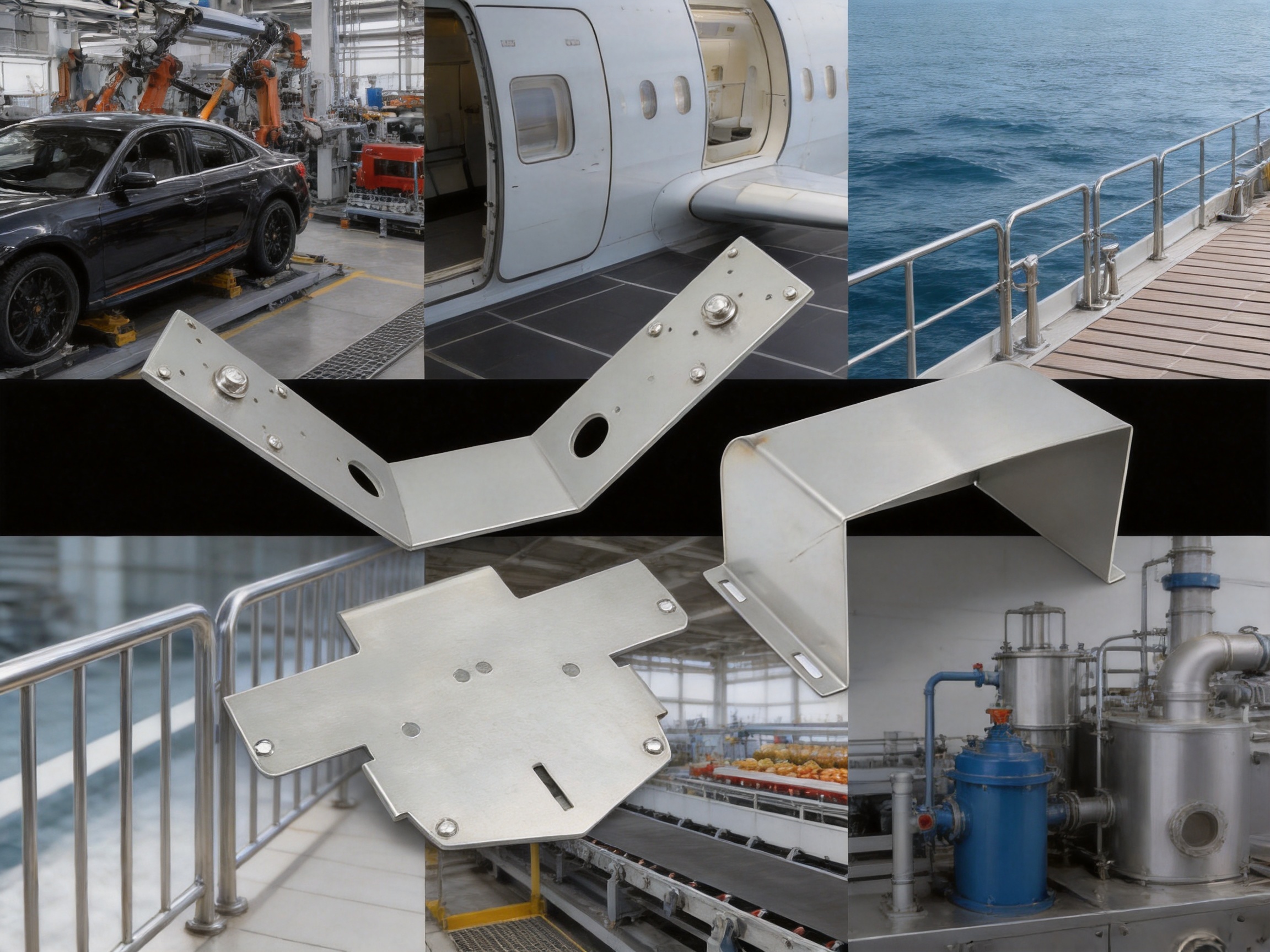
Environmental and Compliance Benefits
Modern industrial buyers increasingly consider environmental responsibility and regulatory compliance. Stainless steel riveting parts provide advantages in both areas. Stainless steel is durable, long-lasting, and recyclable. Its long service life can reduce replacement frequency and waste. Because corrosion resistance is inherent, it can also reduce reliance on certain surface coatings that may involve additional chemical processing.
RoHS compliance supports use in electrical equipment, consumer products, and regulated supply chains where restricted substances must be controlled. CE certification can help demonstrate conformity for applicable markets and product categories. While specific compliance requirements depend on the final assembly and region, using compliant components supports smoother product approval and customer confidence.
Durability is also an environmental advantage. A fastener that lasts longer reduces maintenance, replacement shipments, and scrap. In infrastructure, marine equipment, and machinery, the cost of replacing failed fasteners can be far greater than the cost of selecting the correct stainless steel component at the beginning.
Q&A: Common Questions About Custom Stainless Steel Riveting Parts
What materials are available for these riveting parts?
The main materials are 304 and 316 stainless steel. 304 stainless steel is suitable for many general industrial and architectural applications, while 316 stainless steel offers improved corrosion resistance for marine, coastal, chemical, and washdown environments.
What sizes can be supplied?
Common sizes are available from M3 to M12, with multiple head styles and dimensional options. Custom sizes can also be developed according to drawings, samples, or OEM specifications.
Why choose stainless steel instead of plated carbon steel?
Stainless steel provides corrosion resistance throughout the material, while plated carbon steel depends on a surface coating. If plating is damaged, carbon steel can rust. Stainless steel is better for long-term performance in harsh environments.
Are these riveting parts suitable for marine use?
Yes. For marine applications, 316 stainless steel is commonly recommended because it offers improved resistance to chloride exposure. It is suitable for boat hardware, dock equipment, railings, hatches, and coastal structures.
Can the parts be customized for OEM projects?
Yes. Custom specifications are available, including special dimensions, head styles, lengths, surface finishes, material grades, packaging methods, and functional features. Engineering support can help optimize the design for manufacturing and assembly.
What quality certifications support the product?
Production is supported by ISO 9001:2015 quality management. The parts can also meet CE and RoHS compliance requirements, depending on customer specifications and application needs.
What industries commonly use these riveting parts?
Common industries include automotive manufacturing, aerospace components, marine equipment, architectural metalwork, food processing machinery, chemical processing plants, packaging equipment, and general industrial hardware.
How do these rivets perform under vibration?
Properly installed riveting parts create permanent mechanical joints that are highly resistant to loosening under vibration. This makes them useful in vehicles, machinery, equipment frames, and dynamic assemblies.
Can these parts be used in high-temperature applications?
Stainless steel riveting parts can perform across a wide temperature range, depending on grade, design, and operating conditions. They are suitable for many applications requiring resistance to thermal cycling or elevated temperatures.
How can customers request a quotation?
Customers can provide drawings, samples, material requirements, quantities, tolerance expectations, surface finish requirements, and application details. The technical team can then review feasibility and provide a suitable quotation.
Conclusion
Custom hardware stamping stainless steel riveting parts are essential components for industrial fastening applications that demand strength, corrosion resistance, precision, and long-term reliability. Manufactured from 304 or 316 stainless steel, they offer clear advantages over ordinary carbon steel, aluminum, threaded, welded, or adhesive joining methods in many environments.
Their value comes from more than the raw material. Advanced stamping, precision tooling, deburring, finishing, inspection, and engineering support all contribute to dependable performance. With high tensile strength potential, temperature resistance, smooth surfaces, multiple sizes, and customizable head styles, these riveting parts can be tailored to the specific needs of OEMs and industrial manufacturers.
For automotive assemblies, they provide vibration-resistant joints. For aerospace components, they offer precision and stability. For marine equipment, they resist saltwater corrosion. For architectural metalwork, they combine strength with clean appearance. For food processing machinery, they support hygiene and corrosion resistance. For chemical processing plants, they provide durability in demanding environments.
Backed by experienced metal fabrication, ISO 9001:2015 certified production, compliance support, just-in-time delivery capability, and engineering assistance, these stainless steel riveting parts represent a high-value fastening solution for manufacturers seeking reliable performance and supply stability. Choosing the right rivet is not a minor decision; it is an investment in the strength, safety, appearance, and service life of the finished product.
References
ASM International. Stainless Steels for Design Engineers. ASM International, Materials Park.
J. R. Davis. Corrosion of Stainless Steels. ASM International, Materials Park.
Joseph R. Davis. Metals Handbook Desk Edition. ASM International.
International Organization for Standardization. ISO 9001:2015 Quality Management Systems Requirements.
British Stainless Steel Association. Practical Guidelines for the Fabrication of Stainless Steel.
Industrial Fasteners Institute. IFI Fastener Standards and Technical Information.
European Committee for Standardization. Stainless Steel Fastener and Mechanical Property Standards.
George E. Totten. Steel Heat Treatment Handbook. CRC Press.