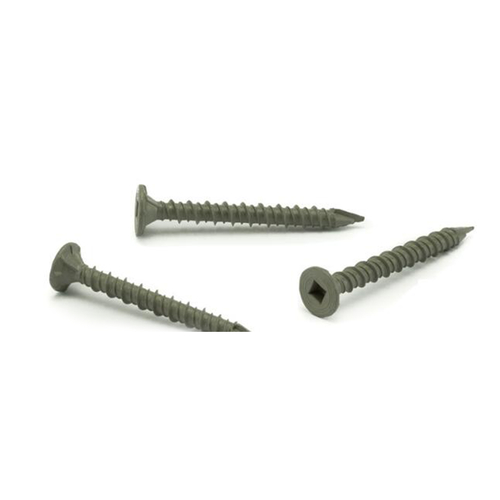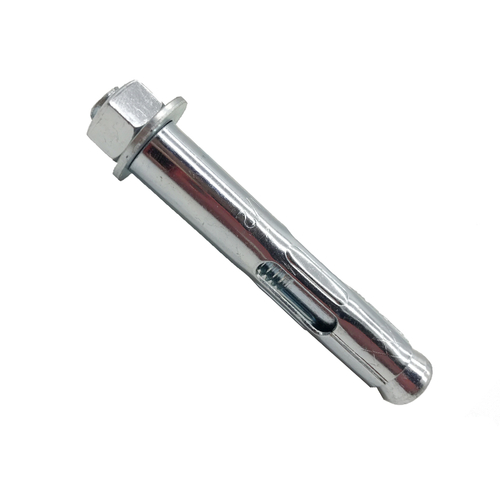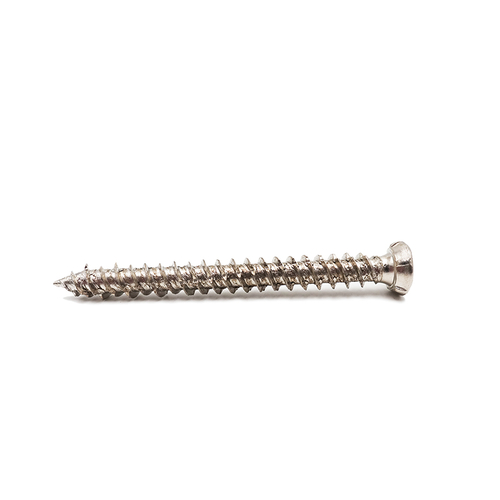
A deck screw is only as good as the coating that protects it. The same screw shape can last one season or more than two decades depending on the barrier between steel and moisture, treated lumber chemicals, salt air, and UV exposure. This comparison explains how zinc, galvanized, polymer-ceramic, and stainless options differ, where each belongs, and what buyers should verify before specifying a deck fastener.
Why Deck Screw Coatings Matter More Than You Think
Decks are a hostile fastening environment. Rain, irrigation, coastal salt, and trapped moisture create continuous wet-dry cycles. Pressure-treated lumber adds another layer of risk because modern treatments can be more corrosive to steel than plain wood. When a screw is driven, the coating stretches, bends, and sometimes scratches at the head or thread. That damage becomes the starting point for rust.
Coating choice is therefore not cosmetic. It affects pull-out reliability, staining, maintenance calls, and the risk of premature failure in structural connections. For contractors and importers, the goal is to match the coating to the exposure class rather than buy one screw for every deck. Deck screws differ from standard wood screws in thread design, head geometry, and corrosion protection, and those differences matter at the specification stage.
Buyer checkpoint: ask for coating thickness, salt-spray test data, base steel, and compatibility with the specific wood treatment. A generic label such as "weather resistant" is not enough for a coastal or treated-lumber project.
The Main Deck Screw Coating Options Compared
Most deck screw specifications fall into five families. The right choice depends on climate, wood treatment, expected service life, and the visual standard the customer wants.
Electrogalvanized zinc
Best for: dry or protected applications, interior projects, and cost-sensitive jobs with limited moisture exposure.
Watchouts: thin zinc layers can be consumed quickly in treated lumber or salt air. Not a first choice for coastal decks.
Hot-dip galvanized
Best for: exterior structural fastening, heavier timber connections, and projects that need a thick zinc barrier.
Watchouts: thicker coating can affect thread fit. Confirm driver torque and connector compatibility.
Mechanical galvanized
Best for: consistent zinc coverage on threaded fasteners where hot-dip buildup is undesirable.
Watchouts: performance depends on coating grade and process control. Verify abrasion resistance.
Polymer-ceramic coating
Best for: treated lumber, exterior deck boards, and colored heads that need a barrier plus lubricity.
Watchouts: not all coatings are equal. Coverage, cure quality, and scratch resistance decide service life.
Stainless steel
Best for: coastal, pool, marine, and high-moisture decks where maximum corrosion resistance is required.
Watchouts: higher cost and different installation behavior. Specify 316 rather than 304 for salt exposure.
For a practical zinc-plated deck board screw, the head and thread details still matter. A countersunk head with nibs helps seat the screw and reduce spin-out, while coarse threads suit wood. Product teams can review a representative deck screw below to compare geometry before moving to a higher-corrosion coating.
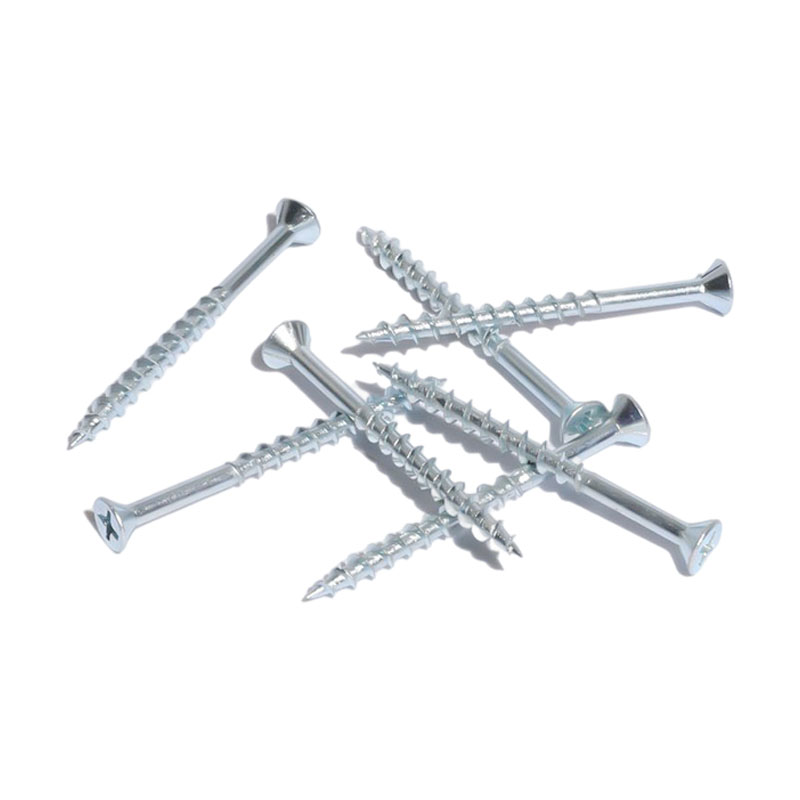 Zinc-Plated Countersunk Deck Screw with NibsView this representative deck screw to compare its countersunk nibbed head and coarse threads before considering higher-corrosion coating options.View Product →
Zinc-Plated and Galvanized Coatings: The Workhorse Range
Zinc protects steel in two ways: as a barrier and, when scratched, as a sacrificial anode. That is why zinc-coated screws dominate the market. The critical difference is how much zinc is present and how tightly it bonds. Electroplating produces a thin, smooth layer that is common on interior drywall and furniture screws. Hot-dip galvanizing creates a much thicker zinc-iron alloy layer and is widely used for outdoor structural fasteners. Mechanical galvanizing builds a dense zinc layer by tumbling the parts with zinc powder and glass beads, often giving more uniform coverage on threads than hot-dip.
For deck boards, a zinc-plated screw may be adequate in a dry, protected location, but it is rarely the best long-term choice for treated lumber in a wet climate. The treatment chemistry, retention level, and drying pattern all influence corrosion. If the deck is near the coast, a zinc coating alone may not meet the owner's maintenance expectations. For inland decks with moderate exposure, a properly specified hot-dip or mechanical galvanized fastener can be a cost-effective step up from electroplated zinc.
What to verify in a galvanized deck screw
- Coating standard and minimum thickness, not just the word "galvanized".
- Base steel grade and heat treatment for the required torque and bending performance.
- Thread geometry for the deck board or joist material, including coarse or fine thread.
- Head style, drive type, and nibs or serrations that affect seating and finish quality.
- Compatibility with metal connectors, hangers, and treated lumber chemicals.
Polymer and Ceramic Coatings: Engineered Barriers for Treated Lumber
Polymer-ceramic and similar engineered coatings are formulated to do more than block water. They can provide a lubricated surface for lower driving torque, resist abrasion at the head, and carry a color that blends with composite or capped decking. For treated lumber, the best systems combine a properly prepared steel substrate with a multi-layer coating and controlled cure. The result can outperform a thin zinc layer in salt-spray and chemical exposure tests.
The weakness is variability. A low-cost "coated" screw may have uneven coverage at the thread root, a brittle film, or poor adhesion after driving. Once the barrier is breached, corrosion can concentrate at the exposed spot. Buyers should request coating weight or thickness, adhesion test results, and salt-spray hours. It is also wise to test the actual driver and torque setting, because overdriving can damage any coating. Coating quality is a process capability, not a color.
Stainless Steel Deck Screws: When the Premium Is Worth It
Stainless steel removes the coating-barrier problem by making the entire fastener corrosion resistant. Grade 304 is suitable for many inland exterior applications, but grade 316 is the better specification for coastal decks, pool surrounds, docks, and other chloride-rich environments. The "marine grade" label usually points to 316, which contains molybdenum to improve resistance to pitting and crevice corrosion.
The trade-off is cost and installation care. Stainless is more expensive, can gall if driven too fast, and may require a different driver technique. It should not be mixed casually with galvanized connectors or carbon steel debris, because galvanic corrosion and staining can follow. For a high-end deck where the owner expects a long service life and minimal callbacks, 316 stainless is often the simplest specification. For a budget inland deck, a well-controlled galvanized or polymer-ceramic system may be the more balanced choice.
304 versus 316 in simple terms
Choose 304 for general exterior use away from salt. Choose 316 for salt air, pool splash, de-icing salts, and waterfront sites. If the project is within sight of the ocean or regularly exposed to chlorides, do not treat 304 as an equivalent substitute.
Matching Coating to Deck Material and Environment
Deck material changes the fastener load and the corrosion profile. Pressure-treated pine is common and often demands a coating that can handle the treatment chemistry. Cedar and redwood are naturally more resistant to rot but can stain if a corroding fastener bleeds. Hardwoods are dense and may require pre-drilling to avoid splitting and to protect the coating. Composite decking may specify hidden fasteners or stainless screws to avoid surface staining and thermal movement problems. Chipboard and deck screw ranges show how head, thread, and coating options are organized for different board materials.
- Inland treated lumber: hot-dip galvanized, mechanical galvanized, or a proven polymer-ceramic coating.
- Coastal or pool deck: 316 stainless steel, with compatible connectors and careful metal separation.
- Cedar, redwood, or visible hardwood: stainless or high-quality coated screws to reduce staining risk.
- Composite decking: follow the deck manufacturer's fastener specification, especially for hidden clips and screw heads.
- Structural ledger, railing, and stair connections: use engineers' specified fasteners and do not substitute a deck board screw.
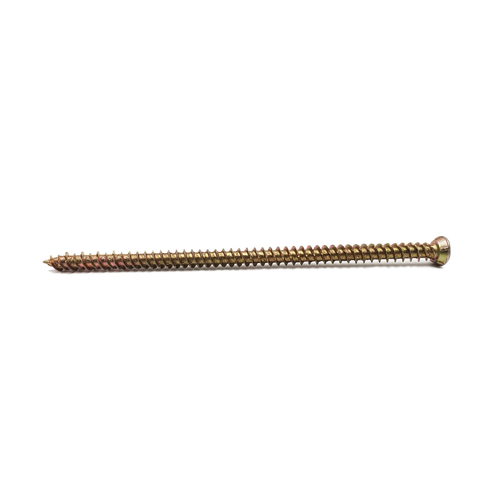
For concrete or masonry ledges, the fastener family changes again. A concrete screw may be relevant where a deck ledger or support is anchored to concrete, but the coating and anchor selection must follow the structural specification rather than a generic deck screw rule.
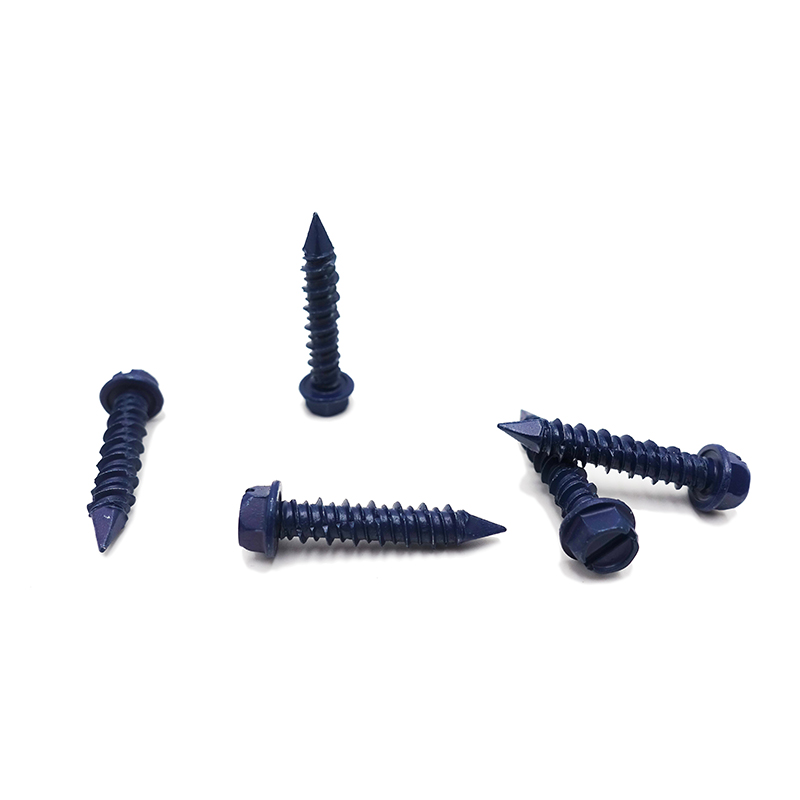 Concrete Screw with Ruspert Coating and Torx DriveReview this concrete screw’s Torx drive, Ruspert coating, and hi-low thread when specifying masonry anchors; confirm head details against structural requirements.View Product →
Installation and Specification Checks That Protect the Coating
Even a premium coating can fail if the installer overdrives the screw. Set the clutch to stop just as the head seats. Use the correct bit and replace it when it wears. For hardwoods and composite boards, follow pre-drill recommendations. Keep fasteners dry and clean before installation; contaminated threads can reduce coating performance and increase driving friction.
On the purchasing side, build a specification that names the base material, coating system, minimum coating thickness or weight, salt-spray requirement, head style, drive type, thread, length, and packaging. Ask for batch traceability and a sample approval process. A deck screw that looks correct in a photo can still fail a salt-spray test or a torque test if the coating process is inconsistent.
Simple rule: do not use the same coating specification for a protected inland porch and an oceanfront deck. The exposure class should drive the fastener, not the other way around.
FAQ: Deck Screw Coating Comparison
Q1: Are coated deck screws as good as stainless steel?
For moderate inland exposure, a high-quality polymer-ceramic or galvanized coating can perform well. For coastal, pool, or long-life applications, 316 stainless steel is usually the more reliable specification.
Q2: Can zinc-plated screws be used with pressure-treated lumber?
They can be used in some protected or dry applications, but thin electrogalvanized zinc is often not the best choice for wet treated lumber. Verify coating thickness and the treatment chemistry before approval.
Q3: What is the difference between 304 and 316 stainless deck screws?
304 offers good general corrosion resistance. 316 adds molybdenum for better chloride resistance, making it the preferred grade for salt air, pool decks, and marine environments.
Q4: Does coating color affect performance?
Color alone does not determine performance. The coating system, thickness, adhesion, and coverage matter more. Color is mainly a visual match for the deck board or brand requirement.
Q5: How can buyers check coating quality before ordering?
Request coating thickness or weight data, salt-spray results, adhesion tests, base steel details, and samples driven into the actual deck material. Confirm batch traceability and packaging protection.
Get a Practical Coating Recommendation for Your Deck Project
LIZHAN supplies fasteners for importers, wholesalers, and distributors that need consistent specifications across markets. Share your deck material, exposure level, target coating, head style, drive type, and packaging requirement, and the team can help match the fastener to the application.
Contact LIZHAN about deck screw coatings