The Real Challenge of Fastening Into Concrete and Masonry
Drilling into cured concrete, block, or brick is nothing like driving a screws into framing lumber. The base material is dense, brittle in places, and unforgiving of guesswork. Choose the wrong fastener diameter, skip the correct embedment depth, or use the wrong bit, and the connection either spins loose under load or cracks the surrounding material during installation.
This guide walks through the practical side of masonry fastening: how concrete screws actually cut their own threads, when a sleeve anchor outperforms a wedge anchor, and how to match hole size to fastener diameter so the connection holds for the life of the structure.
Field note: Most masonry fastener failures trace back to two causes: an oversized pilot hole and insufficient embedment depth, not a defective fastener.
How Concrete Screws Work and Why Pre-Drilling Still Matters
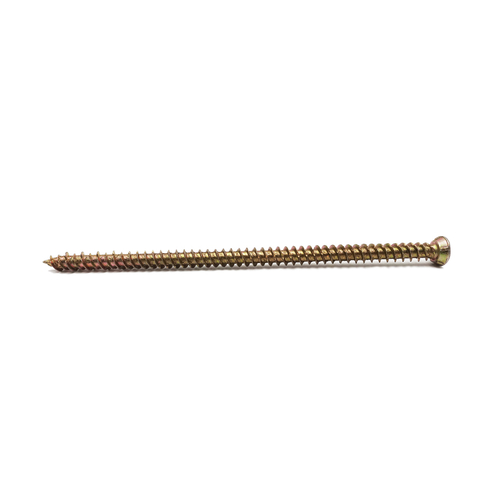
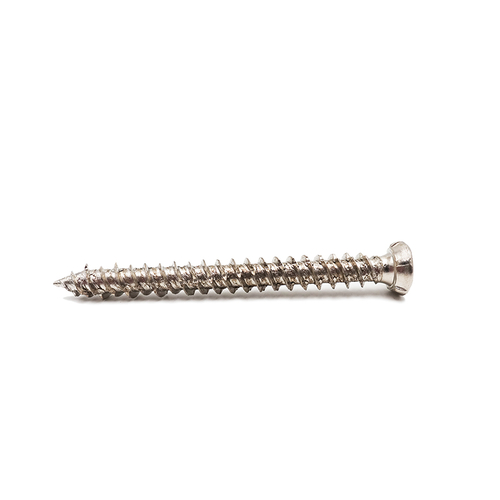
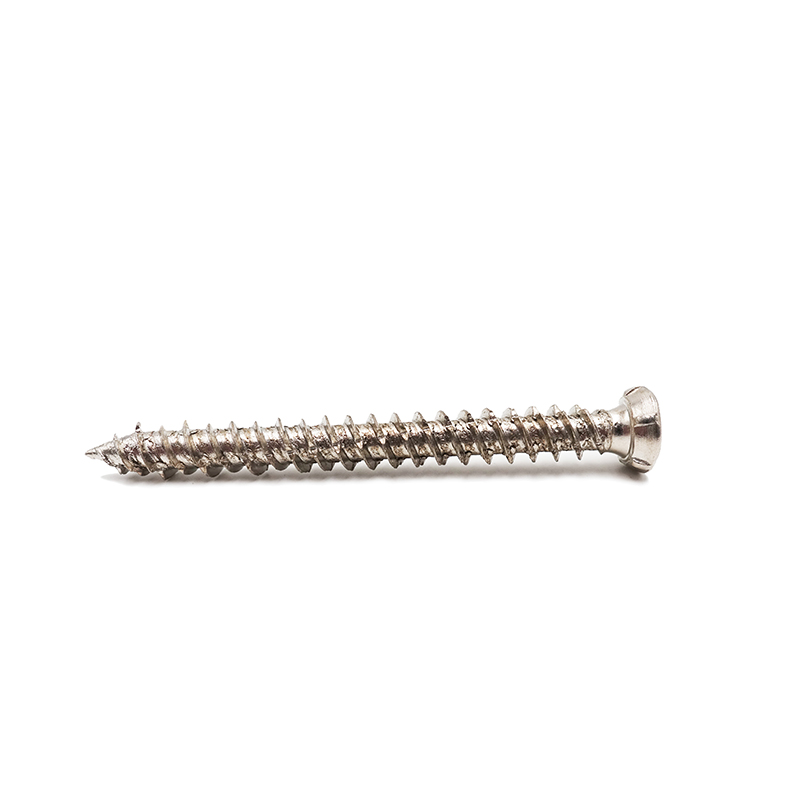
A concrete screws, sometimes called a masonry screws, is a hardened steel fastener with a threaded shank designed to cut its own mating threads into a pre-drilled hole. Unlike a wood screws that displaces fibrous material, a concrete screws removes tiny particles of cured concrete or mortar as it advances, and those particles pack into the thread root to create mechanical resistance.
The "No Pre-Drilling" Search Question, Answered Honestly
Searches for concrete screws no pre drilling are common, and the short answer is that self-tapping masonry screws still require a pilot hole in virtually every case. What changed with modern concrete screws designs is that the pilot hole no longer needs a separate plug, sleeve, or expansion shell. The screws threads directly into the drilled hole, which shortens installation time compared with older expansion-style anchors, but it is not a drill-free process.
Why the Thread Geometry Matters
Concrete screws threads are typically cut at a steeper angle than wood screws threads, and the shank often includes a slightly undersized diameter relative to the drill bit to leave room for cut debris. This is the mechanical reason a masonry-rated drill bit and the correct bit diameter are non-negotiable rather than optional.
| Attribute | Typical Specification |
|---|---|
| Base material | Hardened carbon steel or stainless steel |
| Coating options | Zinc plated, UV resistant coating, ceramic coating |
| Common head styles | Hex washer head, flat countersunk head, pan head |
| Typical applications | Ledger boards, electrical boxes, furring strips, brackets |
Step-by-Step: How to Put Screws in Concrete
Anyone researching how to use concrete screws or how to put screws in concrete benefits from a repeatable sequence rather than trial and error. The steps below apply to standard concrete, block, and brick installations.
- Mark the fastening point and confirm it is clear of embedded rebar or conduit using a scanning tool where the substrate is structural.
- Select a carbide-tipped masonry bit matching the screws manufacturer's stated diameter, not the screws's outer thread diameter.
- Drill the pilot hole to a depth slightly greater than the screws's embedment length to allow dust to settle below the threaded section.
- Clear the hole completely using a blow-out bulb, compressed air, or a vacuum attachment. Leftover dust is the single biggest cause of reduced holding strength.
- Insert the screws by hand to confirm it seats squarely, then drive it with a drill or impact driver on a moderate torque setting.
- Stop driving once the head or washer contacts the base material firmly; overdriving can strip the cut threads.
Consistency check: If a screws spins without resistance partway through installation, stop. The pilot hole is likely oversized or the concrete has a void, and continuing will not restore holding capacity.
Cement Board Screws: Built for a Different Substrate
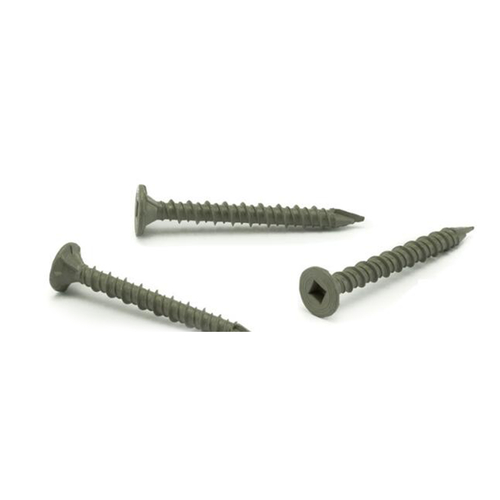
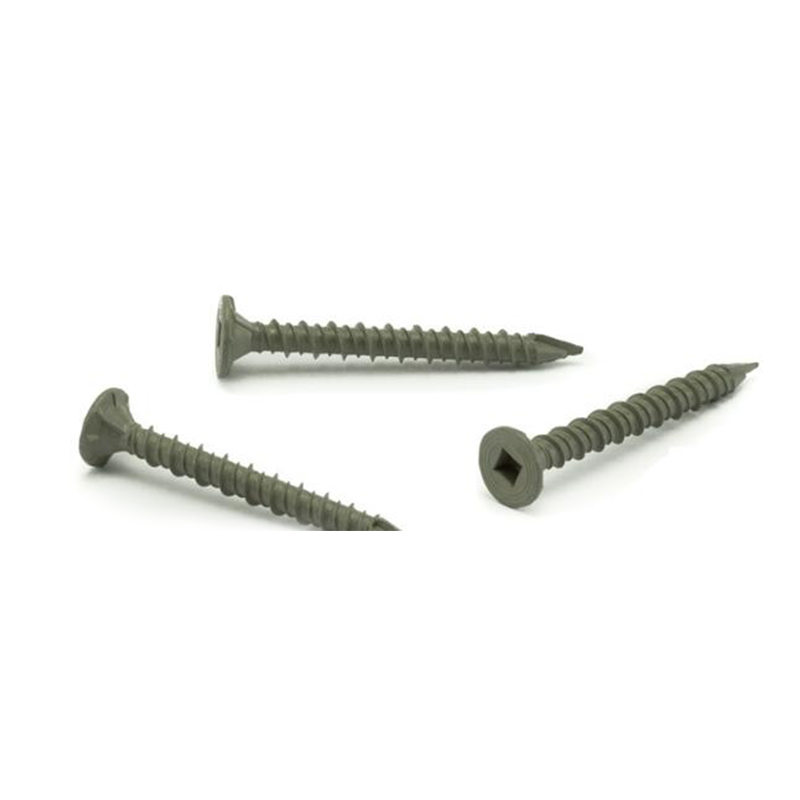
Cement board screws are frequently confused with general masonry screws, but they solve a different problem. Cement backer board used under tile is a composite material, not solid concrete, so the fastener needs a design that resists pull-through at the board surface while still gripping into the wood or metal framing behind it.
Key Design Differences
- A flat or slightly countersunk head that sits flush without cracking the board surface.
- Coarser threads near the tip for framing penetration, paired with finer threads for board grip.
- Corrosion resistant coatings, since backer board installations are almost always in wet areas such as showers and tile floors.
Installation spacing generally follows the board manufacturer's guidelines rather than a single universal rule, since panel thickness and framing spacing both affect how many fasteners a given area needs.
Sleeve Anchor vs Wedge Anchor: Choosing Heavy-Duty Masonry Anchors
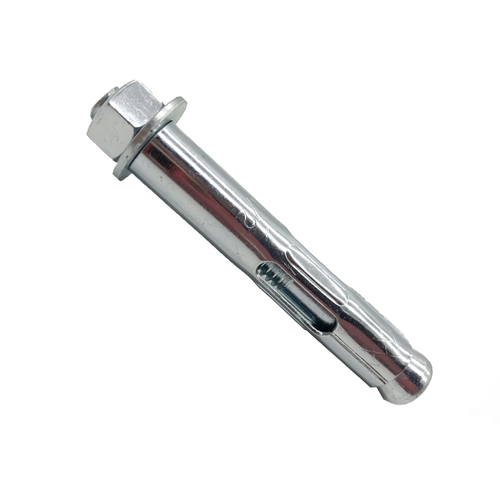
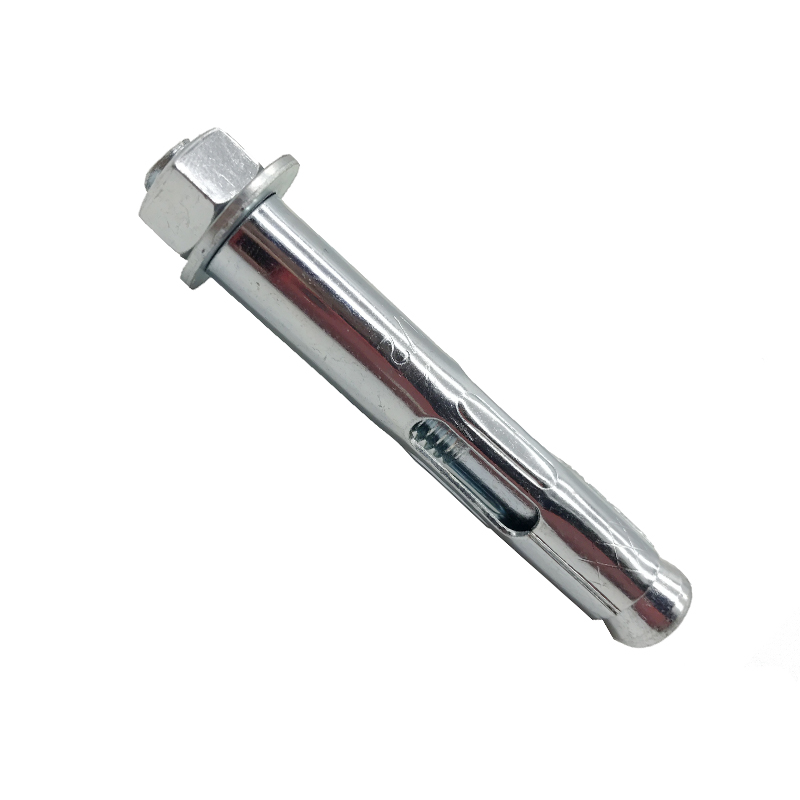
Where concrete screws handle light to medium fastening, masonry anchor bolts take over for structural and heavy-duty loads. The two most common mechanical anchors are the sleeve anchor and the wedge anchor, and confusing the two leads to either an under-engineered connection or unnecessary cost.
| Feature | Sleeve Anchor | Wedge Anchor |
|---|---|---|
| Base material fit | Concrete, brick, block | Solid concrete only |
| Expansion mechanism | Full-length sleeve expands against hole wall | Wedge clip expands only at the embedded tip |
| Best suited for | Lighter structural loads, brick and block work | Heavy structural and overhead loads |
| Typical applications | Handrails, light fixtures, wall brackets | Structural steel baseplates, equipment anchoring |
| Removability | Generally not designed for removal after setting | Nut can be removed, sleeve stays embedded |
Why Wedge Anchors Dominate in Heavy Structural Work
Heavy duty wedge anchors concentrate their holding power at the embedded tip, which lets them achieve higher shear and tension ratings in solid concrete compared with a sleeve anchor of the same diameter. This is why structural engineers specify wedge anchors for baseplates, machinery mounts, and load-bearing brackets, while sleeve anchors remain the practical choice for masonry units like brick and hollow block where a wedge anchor's tip-only expansion has less material to grip.
Matching Pre-Drilled Hole Size to Fastener Diameter
Correct pre-drilled hole size for concrete screws and anchors is the detail most often skipped, yet it determines whether an anchor develops full holding strength. Oversized holes reduce contact area; undersized holes risk cracking the base material or preventing full seating.
| Fastener Diameter | Recommended Bit Size | Typical Minimum Embedment |
|---|---|---|
| 3/16 inch concrete screws | 5/32 inch masonry bit | 1 inch |
| 1/4 inch concrete screws | 3/16 inch masonry bit | 1 1/4 inch |
| 3/8 inch sleeve or wedge anchor | 3/8 inch masonry bit | 1 5/8 inch |
| 1/2 inch wedge anchor | 1/2 inch masonry bit | 2 1/4 inch |
These figures are general starting points for concrete screws installation planning; always confirm against the specific fastener's data sheet, since thread design and coating thickness can shift the recommended bit size slightly.
Corrosion Resistance and Long-Term Performance
Fastener failure in masonry work is rarely sudden. It usually develops slowly through corrosion at the head or thread root, especially in exterior work, coastal environments, or wet interior areas like bathrooms and mechanical rooms.
Interior, Dry Areas
Standard zinc plated coatings are typically adequate for framing, brackets, and light fixtures indoors.
Exterior or Damp Areas
Corrosion resistant masonry fasteners with UV rated or ceramic coatings hold up better against moisture cycling and sun exposure on decks, ledgers, and siding attachments.
Coastal or High-Moisture Sites
Stainless steel fasteners resist salt-driven corrosion far longer than coated carbon steel, which matters most for permanent structural connections.
A Quick Decision Path for Selecting the Right Fastener
The diagram below summarizes the decision sequence covered in this guide, moving from base material to load requirement to final fastener choice.
Frequently Asked Questions
Q1: Do concrete screws really need pre-drilling every time?
Yes. Even modern self-tapping concrete screws marketed around the "no pre drilling" convenience of skipping a separate anchor sleeve still require a correctly sized pilot hole. The convenience is in eliminating the plug or shell, not the drilling step itself.
Q2: What happens if I use a drill bit that is too large?
An oversized hole reduces the contact area between the fastener threads and the surrounding material, which lowers pull-out and shear resistance significantly, sometimes to the point where the connection fails under normal load.
Q3: Can a sleeve anchor be used in place of a wedge anchor?
For light to medium loads in brick or block, a sleeve anchor is often the better fit because its full-length expansion suits masonry units. For heavy structural loads in solid concrete, a wedge anchor is generally the stronger choice due to its concentrated tip expansion.
Q4: How deep should a concrete screws be embedded?
Embedment depth depends on the screws diameter and the load being carried, but as a general starting point, most concrete screws require an embedment of roughly four to six times their diameter into solid, sound material.
Q5: Are cement board screws interchangeable with regular concrete screws?
No. Cement board screws are engineered for a composite backer board over framing, with head and thread geometry suited to that layered assembly, while concrete screws are designed to thread directly into solid masonry or concrete.
Q6: What is the biggest mistake people make with masonry fasteners?
Leaving drilling dust inside the hole before installation. Dust cushions the fastener threads against the base material and can reduce holding strength substantially, even when the hole diameter and depth are otherwise correct.