When selecting fasteners for a construction or fabrication project, the choice between self tapping vs self drilling screws is one that trips up even experienced tradespeople. While the two terms are often used interchangeably in hardware stores and on job sites, they describe screws with fundamentally different capabilities and design philosophies. Using the wrong type can lead to stripped holes, cracked materials, or structural failure — all avoidable with a clear understanding of how each screw works.
This guide breaks down the definitions, structural differences, suitable materials, installation requirements, and selection criteria for both screw types — with practical guidance to help you make the right call every time.
What Is a Self Tapping Screw?
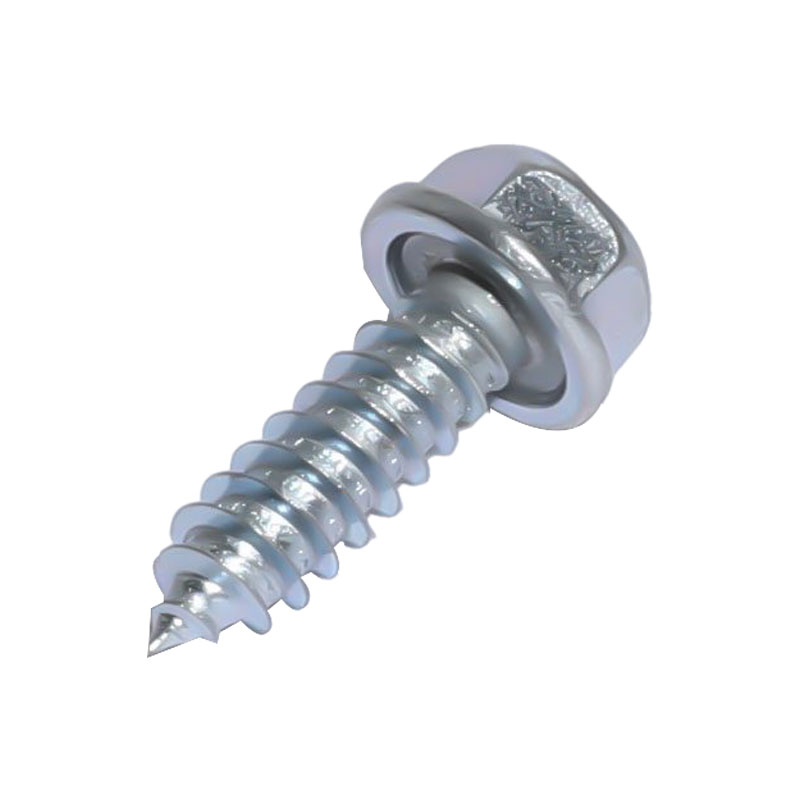
A self tapping screw is a fastener designed to cut its own thread into a pre-drilled pilot hole. The screw does not drill through the material itself — a separate drill bit must first create an opening of the correct diameter. Once the pilot hole exists, the self tapping screw's hardened, precisely machined threads bite into the surrounding material as it is driven in, forming a secure, threaded connection without the need for a separate nut or tapped insert.
The defining characteristic of a self tapping screw is its thread-forming or thread-cutting ability. It displaces or removes material from the hole wall to create mating threads, effectively turning a smooth bore into a threaded one in a single operation.
Two Primary Categories of Self Tapping Screws
These screws displace material rather than cutting it away. The surrounding material flows around the thread form, creating a tight, stress-bearing connection. Best suited for ductile materials such as soft metals (aluminum, copper) and many plastics. No chips or debris are generated.
These screws have cutting edges along the threads that physically remove material as the screw advances. This produces chips that must be cleared. Ideal for harder plastics, brittle materials, and some metals where material displacement would cause cracking.
Common Point Styles on Self Tapping Screws
- Type A point: Coarse spaced threads, sharp gimlet point — used in sheet metal and light gauge materials.
- Type B point: Fine spaced threads, blunt point — suited for heavier gauge sheet metal and non-ferrous castings.
- Type AB point: Combines coarse thread spacing with a sharp gimlet point — versatile option for sheet metal applications.
- Type C point: Machine screw thread pitch, used when a machine screw thread is needed in a self-tapping format.
What Is a Self Drilling Screw?
A self drilling screw — often called a Tek screw after a widely recognized industry designation — is a fastener that combines a drill bit tip with a screw body. It can drill its own pilot hole, tap threads into the resulting opening, and fasten the material in a single continuous operation, all without requiring a pre-drilled hole.
The drill point at the tip of a self drilling screw performs the same function as a twist drill bit. The fluted, hardened tip removes material as it spins, creating a clean hole. As the screw advances further, the threaded shank taps into the hole wall and pulls the fastener tight. This three-in-one capability (drill, tap, fasten) makes self drilling screws significantly faster to install in appropriate applications.
Understanding Drill Point Numbers
Self drilling screws are classified by drill point size, which indicates the maximum thickness of material the tip can reliably penetrate before the threads engage. Higher numbers indicate a larger, longer drill point capable of penetrating thicker material.
| Point Number | Max Steel Penetration | Typical Application | Common Screw Size |
|---|---|---|---|
| #1 (Short) | Up to 0.8 mm (20 gauge) | Light gauge sheet metal | #6, #8 |
| #2 (Standard) | Up to 1.5 mm (16 gauge) | General HVAC, cladding | #8, #10 |
| #3 | Up to 3.0 mm (1/8 in) | Structural framing, purlins | #10, #12 |
| #4 | Up to 5.5 mm (7/32 in) | Heavy structural steel | #12, #14 |
| #5 (Long) | Up to 6.4 mm (1/4 in) | Heavy gauge fabrication | #14 |
Visual Comparison: Tip Geometry Side by Side
The fastest way to distinguish the two screw types in the field is to examine the tip. The diagram below illustrates the structural difference clearly.
Core Differences Between Self Tapping and Self Drilling Screws
| Feature | Self Tapping Screw | Self Drilling Screw |
|---|---|---|
| Pilot hole required | Yes — always | No — drills its own |
| Tip design | Sharp point (gimlet or blunt) | Fluted drill bit point |
| Material range | Wide: metals, plastics, wood composites | Primarily metals and hard substrates |
| Installation steps | Drill + Drive (2 steps) | Drive only (1 step) |
| Thread engagement | High — threads cut into pilot hole walls | Moderate — threads engage drilled hole |
| Speed of installation | Slower (requires pre-drilling) | Faster (single operation) |
| Cost per unit | Generally lower | Generally higher |
| Typical use | Plastics, soft metals, detailed assemblies | Sheet metal, steel framing, roofing |
Material Compatibility: Choosing the Right Screw for the Substrate
Material type is one of the primary factors that should drive your screw selection. Both screw types have strengths and clear limitations depending on the substrate being fastened.
Self Tapping Screws: Material Strengths
Thread-forming self tapping screws are ideal for thermoplastics such as ABS, polypropylene, and nylon. The controlled thread displacement creates a strong mechanical lock without cracking brittle polymers — provided the correct pilot hole diameter is used.
Aluminum, copper, brass, and zinc alloy respond well to self tapping screws. The pilot hole prevents galling or seizing, while the threads create reliable engagement in soft metal walls.
Type A and AB point self tapping screws are industry standards for thin sheet metal (under 20 gauge). They are widely used in electrical enclosures, ductwork, and appliance assembly where precision is more important than speed.
Wood fiber composites, fiberglass panels, and reinforced board products accept self tapping screws effectively, especially when thread-cutting variants are chosen to clear debris during installation.
Self Drilling Screws: Material Strengths
- Steel framing and purlins: Self drilling screws were specifically engineered for connecting steel structural members. The drill point slices cleanly through the steel, and the threaded shank immediately clamps the joint without any pre-drilling step.
- Roofing and cladding panels: Metal roofing relies heavily on self drilling screws with integrated neoprene washers that compress to create a weatherproof seal around the fastener.
- HVAC ductwork: Medium-gauge sheet metal duct systems are assembled almost exclusively with self drilling screws due to the high volume of connections required and the speed advantage they offer.
- Steel to wood connections: When steel track or bracket must be secured to a timber substrate, self drilling screws with appropriate tip geometry handle both materials in one pass.
Installation Process: Step-by-Step Workflow Comparison
Understanding the installation workflow helps illustrate why one screw type is chosen over the other in a given production or construction environment.
How to Tell Self Tapping from Self Drilling Screws in the Field
When fastener packaging is missing or mixed bins are encountered on-site, physical inspection is the reliable method for identification. The self tapping screw definition centers on thread-cutting capability — not drilling. Here is what to look for:
Examine the Tip Geometry
Hold the screw tip under good light and compare it to a standard drill bit. A self drilling screw tip has two symmetrical cutting flutes and a chisel edge — it looks like a miniature drill bit. A self tapping screw has a simple tapered point with no fluting — it looks like a sharpened spike or blunt cone.
Check the Tip-to-Thread Transition
On a self drilling screw, there is a visible unthreaded gap between the drill point and where the threads begin. This gap allows the drill tip to fully penetrate and clear the material before the threads start to engage. On a self tapping screw, the threads typically run all the way to or very close to the tip with no fluted unthreaded section.
Assess the Tip Length Relative to the Thread Pitch
Self drilling screw tips are notably longer in proportion to the shank compared to self tapping screws. The tip must be long enough to cut through the full material thickness before threading begins. A short, sharp point that quickly transitions into threads is a strong indicator of a self tapping screw.
Run the Tip Across Your Thumbnail
With care, run the screw tip lightly across your thumbnail. A self drilling screw tip will produce a scratching, shaving sensation similar to a drill bit. A self tapping screw tip will produce a simple piercing or indenting sensation without shaving action. This tactile test is a practical field method used by experienced fastener installers.
Performance Factors: Torque, Speed, and Load Bearing
Screw selection also depends on the mechanical performance requirements of the joint, not just installation speed. Each type behaves differently under torque application and load.
Drive Torque Requirements
Self drilling screws generally require significantly higher drive torque to penetrate and thread metal simultaneously. Torque values for driving a self drilling screw through 3 mm structural steel can range from 3.5 to 6 Nm depending on screw diameter and steel hardness. In contrast, self tapping screws driven into a pre-drilled pilot hole in similar material typically require 1.5 to 3 Nm — roughly half the torque — because the material removal work has already been done by the drill bit.
Pull-Out Strength
Pull-out strength — the force required to withdraw the screw axially from the base material — is a critical structural parameter. Self tapping screws, when installed in the correct pilot hole diameter, often achieve higher pull-out values than self drilling screws in equivalent materials. This is because the thread-forming or cutting action of a self tapping screw in a properly sized hole creates very tight thread engagement with more material contact per thread. Self drilling screws produce a slightly larger hole than would be used for a self tapping screw of the same diameter, which can reduce pull-out resistance.
Stripping Resistance
The risk of stripping — where the threads fail to grip the base material and the screw spins without advancing — is present in both types but manifests differently. Self tapping screws are vulnerable to stripping if the pilot hole is too large. Self drilling screws can strip if the drill point is worn and fails to penetrate cleanly, causing the threads to engage before the hole is complete, which generates excessive back-pressure and can strip both the fastener and the base material.
How to Choose Between Self Tapping and Self Drilling Screws
The selection process should follow a structured decision path based on material type, installation volume, and performance requirements.
Choose a Self Tapping Screw When:
- The base material is plastic, rubber, or a brittle composite that would be damaged by drilling at high speed.
- Maximum pull-out strength and thread engagement quality are the primary requirements, such as in structural plastic housings or precision assemblies.
- You are working with thin or delicate materials where the heat and pressure from a self drilling tip would cause cracking, melting, or blowout.
- Thread quality and consistency must be tightly controlled — the pilot hole diameter can be adjusted to optimize thread engagement.
- Cost per fastener is a significant factor in high-volume manufacturing, as self tapping screws are typically less expensive per unit.
Choose a Self Drilling Screw When:
- You are fastening into steel, stainless steel, or other ferrous metals without the ability or time to pre-drill each location.
- Installation speed and labor efficiency are critical — roofing, cladding, and steel framing contractors depend on the one-step installation of self drilling screws to stay on schedule.
- Working in confined or elevated locations where managing a separate drill, then a driver, introduces safety or logistical challenges.
- The metal thickness falls within the capacity of the available drill point number, and pull-out strength requirements are met by the specified screw size.
- Industry standards or building codes for the specific application specify self drilling fasteners — common in commercial roofing and metal building construction.
The Pilot Hole Diameter Rule for Self Tapping Screws
Correct pilot hole sizing is the single most important variable in self tapping screw performance. A hole that is too small will cause the screw to jam, over-torque, or split the material. A hole that is too large will produce insufficient thread engagement and low pull-out resistance.
| Screw Size | Recommended Pilot Hole (Soft Metal) | Recommended Pilot Hole (Hard Metal) | Recommended Pilot Hole (Plastic) |
|---|---|---|---|
| #4 (3.0 mm) | 2.0 mm | 2.4 mm | 1.8 mm |
| #6 (3.5 mm) | 2.4 mm | 2.9 mm | 2.2 mm |
| #8 (4.2 mm) | 2.9 mm | 3.5 mm | 2.7 mm |
| #10 (4.8 mm) | 3.3 mm | 4.0 mm | 3.1 mm |
| #12 (5.5 mm) | 3.8 mm | 4.6 mm | 3.5 mm |
| #14 (6.3 mm) | 4.4 mm | 5.2 mm | 4.0 mm |
Real-World Applications Across Industries
Both screw types serve essential roles across a wide range of industries. Understanding where each performs best helps procurement teams, engineers, and tradespeople make faster, better-informed decisions.
Construction and Steel Framing
Light-gauge steel framing for interior partitions, ceiling grids, and structural headers uses self drilling screws almost exclusively. A framing team installing a commercial interior build-out may drive several thousand self drilling screws in a single day. The elimination of the pre-drilling step directly translates to labor cost savings and shorter project timelines.
Electronics and Appliance Manufacturing
Plastic housings, polycarbonate enclosures, and thin aluminum chassis in consumer electronics are almost always assembled with self tapping screws. The thread-forming action in thermoplastics creates a precise, repeatable thread without the risk of cracking the enclosure. Automated screwdriving equipment in electronics manufacturing is typically calibrated for the torque profile of self tapping screws in these materials.
Roofing and Weatherproofing
Metal roofing panels are attached to steel purlins using self drilling screws fitted with bonded neoprene or EPDM washers. The drill point penetrates both the roofing panel and the steel structure below in a single driving motion. The washer compresses to seal the hole against water ingress. Roofing installations on a typical commercial warehouse can require tens of thousands of these fasteners, making the single-step installation critical to project viability.
HVAC and Mechanical Systems
Sheet metal ductwork is assembled from pre-cut galvanized panels using both types of screws depending on gauge and application. Light gauge duct seams are often joined with #8 self drilling screws, while heavier gauge transitions and access panels may use self tapping screws with pre-drilled clearance holes for precise, removable joints.
Automotive and Transportation
Vehicle body panels, trim attachment, and interior component mounting frequently use self tapping screws. The pilot holes are often included in pressed stampings during the manufacturing process, and self tapping screws are driven by robotic assemblers at high volumes with torque-controlled tooling. The consistent pilot hole diameter in stamped parts ensures uniform thread quality across the production run.
Coatings and Corrosion Resistance
Both self tapping and self drilling screws are available in a range of material compositions and surface coatings that affect their performance in different environments. Selecting the appropriate coating is as important as selecting the correct screw type.
The most common coating for indoor and sheltered applications. Provides basic protection against oxidation in dry environments. Not suitable for direct outdoor exposure or contact with treated lumber, which contains corrosive chemicals.
Thick zinc coating applied by immersion in molten zinc. Provides robust outdoor corrosion resistance. Commonly specified for roofing screws, fencing, and any exterior steel-to-steel connection. The coating thickness can slightly affect thread profile in self tapping applications.
Screws manufactured entirely from stainless steel alloy rather than coated carbon steel. Grade 316 provides the highest corrosion resistance and is specified for marine environments, chemical processing, and food-grade applications. Both self tapping and self drilling versions are available in stainless.
Advanced surface treatments that provide corrosion resistance exceeding hot-dip galvanizing without the weight or dimensional impact. Commonly used on roofing self drilling screws where long-term weather exposure is expected and aesthetics matter.
Frequently Asked Questions
Q1: Can I use a self drilling screw instead of a self tapping screw?
In some cases, yes — but it depends on the material. Self drilling screws are designed for metal and will work in metal applications where a self tapping screw would normally be used with a pilot hole. However, self drilling screws should not be substituted for self tapping screws in plastic or composite materials. The high-speed drill tip generates heat and aggressive cutting action that can crack, melt, or shatter softer substrates. Always match the screw type to the material, not just the size.
Q2: Do self tapping screws work in wood?
Standard self tapping screws designed for metal are not the best choice for wood. Wood has its own category of screws — wood screws — with thread geometry optimized for wood fiber. However, some specialized self tapping screws with wide, coarse threads and sharp points are designed for composite wood and MDF applications. For solid timber, structural wood screws or traditional wood screws are more appropriate and will provide superior holding strength.
Q3: What happens if a self drilling screw tip is worn or damaged?
A worn self drilling screw tip loses its ability to cut cleanly through metal. Instead of drilling a clean hole, the tip will spin against the metal surface, generate excessive heat, and eventually cause the screw to jam before the threads can engage. This can strip the drive recess and damage the material. A self drilling screw with a damaged tip should always be discarded and replaced. Attempting to force a worn-tip screw through material is one of the most common causes of stripped fasteners on job sites.
Q4: Is a Tek screw the same as a self drilling screw?
Yes, in common industry usage, "Tek screw" refers to a self drilling screw. The term became a generic descriptor for self drilling screws in the construction industry. All Tek screws are self drilling screws, but not all self drilling screws are marketed under that designation. The technical definition and product specifications are identical regardless of the label used.
Q5: How do I know what size pilot hole to use with a self tapping screw?
The correct pilot hole diameter depends on the screw size and the base material hardness. As a general rule, the pilot hole diameter should be approximately 80 to 90 percent of the screw's minor (root) diameter for hard metals, and 70 to 80 percent for softer materials and plastics. Most fastener manufacturers publish pilot hole charts for their specific thread forms. When in doubt, drill a test hole in scrap material, drive a screw, and check for smooth advancement, no cracking, and adequate pull-out resistance before committing to production runs.
Q6: Can self drilling screws be removed and reinstalled?
Self drilling screws can be removed, but reinstallation in the same hole is generally not recommended for structural applications. When the screw is removed, the threads it cut into the base material may be partially damaged or compressed. Re-driving a screw into the same hole typically reduces pull-out strength by 30 to 50 percent compared to the original installation. For applications requiring repeated access, consider using a machine screw and nut arrangement, or a removable panel fastener system instead.
Q7: What drive types are available for these screws?
Both self tapping and self drilling screws are available in a wide range of drive types. Phillips (cross) drive is the most common for general use. Hex washer head is prevalent in construction and roofing self drilling screws because it allows use of a hex socket driver bit that can deliver higher torque without cam-out. Square (Robertson), Torx, and combination drive options are available for specialized applications requiring high drive engagement or tamper resistance.