1. Two Dominant Expansion Anchors: Sleeve vs Wedge
When fastening into solid concrete, two of the most common concrete expansion bolts are the sleeve anchor and the wedge anchor. Although both expand against the base material, their design, performance, and ideal applications differ significantly. Choosing incorrectly leads to pull-out failure or cracked concrete. This guide provides technical clarity, including an anchor diameter chart, installation sequences, and real-world scenarios.
Key Insight: Sleeve anchors work best for light-to-medium duty in block or brick, while wedge anchors excel in high-strength, crack-critical solid concrete. Never substitute without checking embedment depth.
How expansion anchors create holding power
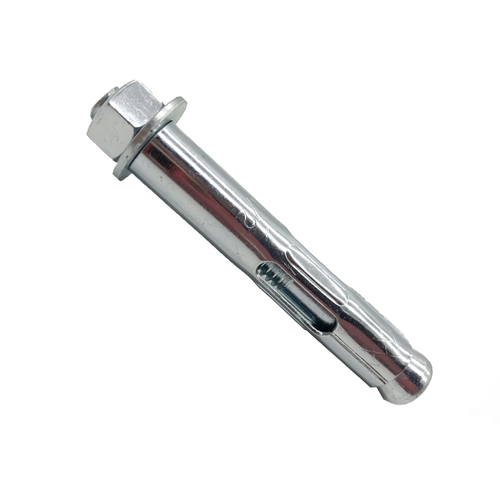
Both anchor types rely on controlled expansion. A wedge anchor uses a tapered cone at its base, forcing a four-segment expansion clip outward when the nut is tightened. A sleeve anchor compresses a corrugated or split sleeve against the hole wall. The sleeve provides more uniform friction but lower ultimate tensile strength compared to a wedge anchor of equal diameter.
At-a-glance comparison table
| Feature | Sleeve Anchor | Wedge Anchor |
|---|---|---|
| Expansion mechanism | Compressed sleeve | Coned base + expander clip |
| Base material | Concrete, block, brick | Solid concrete only |
| Typical diameter range | 1/4" to 3/4" | 1/4" to 1-1/4" |
| Minimum embedment | 1-1/2" to 2-1/2" | 2-1/4" (1/4" dia) up to 6" |
| Shear capacity (1/2") | ~1,200 lb (concrete 3000 psi) | ~2,400 lb (concrete 3000 psi) |
| Vibration resistance | Moderate | High – pre-tension maintains grip |
2. Anatomy & Performance Data: Sleeve Anchor vs Wedge Anchor
Understanding internal geometry helps match the fastener to the load. Concrete fasteners are not interchangeable; each geometry adjusts stress distribution inside the hole.
Embedment depth and concrete strength influence
Tests from independent labs show that increasing embedment depth by 25% raises pull-out resistance by nearly 40% for wedge anchors, while sleeve anchors gain only 15–20% due to sleeve compression limits. For light overhead fixtures, a sleeve anchor for concrete offers safe installation with less torque sensitivity. But for structural steel columns, a wedge anchor is mandatory.
Anchor diameter chart – recommended loads (concrete 3500 psi)
*Values for illustration based on standard expansion anchor performance. Always test per ACI 355.2.
Why sleeve anchors suit hollow base materials
Unlike wedge anchors that require solid concrete to flare the expansion clip, sleeve anchors deform the sleeve into voids, creating friction even in brick or CMU. For concrete drop in anchors (a different category), they are internally threaded and set flush, but require a special setting tool. However, the sleeve anchor remains the easiest for DIY and general maintenance.
3. Installation Steps and Common Errors
Proper installation ensures the design load is achieved. For sleeve anchors for concrete, drilling a hole exactly at nominal diameter (e.g., 1/2" anchor -> 1/2" bit) is critical. Wedge anchors require the same tolerance, but any dust left in the hole prevents full expansion.
Step-by-step: wedge anchor installation (solid concrete)
- Drill hole to specified depth using carbide-tipped bit meeting ANSI standard.
- Clean hole with compressed air and a wire brush — no debris allowed.
- Insert wedge anchor through fixture and tap until washer and nut contact concrete.
- Tighten nut to manufacturer torque (typically 25–60 ft-lbs for 1/2" anchor). Over-torque can strip concrete.
Step-by-step: sleeve anchor installation (block or concrete)
- Drill hole 1/2" deeper than anchor length. For hollow block, ensure the sleeve reaches the web.
- Remove dust – especially important in masonry.
- Insert sleeve anchor. The sleeve should be fully below the surface.
- Tighten until the sleeve flares against the hole wall. Do not over-tighten because sleeve may collapse.
Comparing with concrete drop in anchors and lag shield anchor
While concrete drop in anchors offer a flush surface and are ideal for overhead rail systems, they require a setting tool and provide less shear strength compared to wedge anchors. Meanwhile, a lag shield anchor is a lead or plastic sleeve used with a lag screw – best for light-duty wood attachments to concrete. Neither replaces the holding power of a wedge anchor in high-vibration scenarios.
4. Load capacity & heavy-duty requirements: When to upgrade
If your project demands a heavy duty screw type anchor, consider large-diameter wedge anchors or adhesive anchors. However, for pure mechanical holding, a 3/4" wedge anchor in 4000 psi concrete can achieve ultimate tension above 12,000 lbs. Sleeve anchors are rarely used beyond 5/8" diameter because the sleeve expansion becomes unreliable.
Edge distance and spacing guidelines
Critical for both sleeve anchor vs wedge anchor: edge distance should be minimum 5 diameters from concrete edge. Spacing between anchors at least 10 diameters. In thin concrete slabs (4" or less), wedge anchors may cause blow-out; a sleeve anchor with shorter embedment works better.
5. Specialized Anchors: drop-in, lag shield, and screw types
Beyond sleeve and wedge anchors, projects sometimes require alternatives. Concrete drop in anchors are female-type anchors set flush – great for removable machine bolts. Drop-in anchor installation requires a setting tool to expand the internal plug, after which a bolt is inserted. Holding capacity is moderate but excellent for low-profile applications.
Lag shield anchor: a pre-assembled zinc or plastic shield that grips concrete when you drive a lag screw. Provides lower pull-out strength (approx 400-800 lb for 1/4" lag) and should not be used for seismic zones. For dynamic loads, always choose wedge anchor with grade 5 bolt.
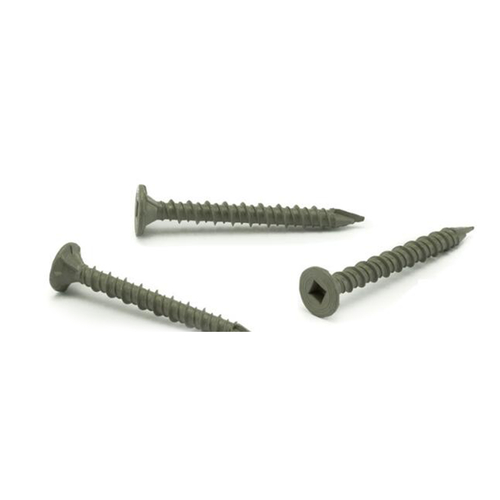
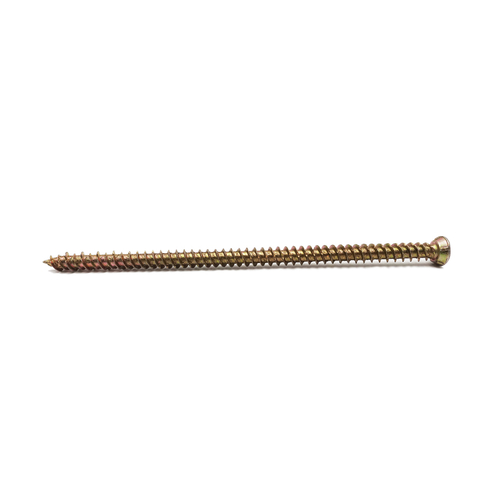
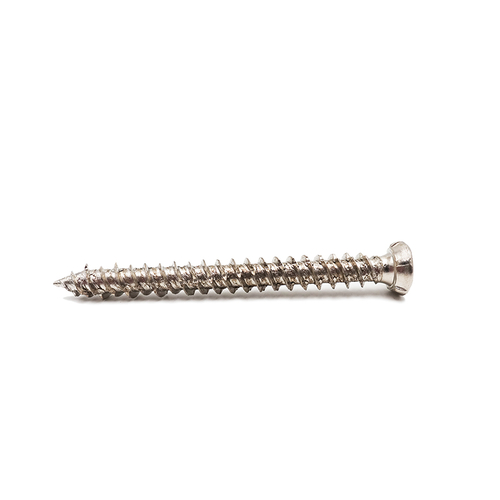
- Heavy duty screw alternatives like Tapcon or screw anchors: these require pre-drilling a smaller hole and offer moderate shear, but are not true expansion anchors.
- Sleeve anchors remain the preferred choice for attaching furring strips to concrete block.
- Wedge anchors dominate structural steel baseplates, heavy machinery, and guardrails.
Use the anchor diameter chart earlier to match diameter to load. Over-engineering with a larger wedge anchor is safer than undersizing a sleeve anchor in high-load situations.
6. How to Choose the Right Anchor: Decision Matrix
Follow this step-by-step decision logic based on project constraints.
Step 1: Identify base material – solid concrete or hollow block/brick?
→ If hollow: choose sleeve anchor or specialty anchor. Wedge anchor is not suitable.
Step 2: Determine load type – static, dynamic, or impact?
→ Dynamic / vibrating loads → wedge anchor (pre-tension keeps clamping).
Step 3: Required embedment depth available?
→ If shallow depth (1.5" or less), sleeve anchor or drop-in; wedge anchor needs minimum 2-1/4" for 1/4" size.
Step 4: Corrosion exposure? Use stainless sleeve anchor or galvanized wedge anchor accordingly.
Many construction specs call out wedge anchors for overhead lifting points or fall protection. Sleeve anchors are more forgiving for inexperienced installers but lack ultimate strength. If the required working load exceeds 2,500 lbs per anchor, a wedge anchor (or multiple anchors) is the only viable choice among mechanical expansion types.
Case example: warehouse pallet rack anchoring
A distribution center used 1/2" wedge anchors for baseplates on 6" reinforced slab. Load testing showed consistent 3,200 lb working load per anchor with safety factor 4. In comparison, sleeve anchors pulled out at 1,400 lb and showed sleeve deformation after cycling. The engineer specified wedge anchors exclusively for shear-resistant connections.
FAQ: Sleeve Anchor vs Wedge Anchor – Common Questions
Q1: Can I use a wedge anchor in brick or concrete block?
No – wedge anchors require solid concrete to expand the clip. In brick, the expansion will crack the unit and cause failure. Use sleeve anchors or concrete drop in anchors for hollow base materials.
Q2: What is the minimum edge distance for a 3/8" wedge anchor?
Minimum edge distance is generally 5 times anchor diameter: 5 x 0.375" = 1.875" from concrete edge. For sleeve anchors, similar rule applies; always follow manufacturer ICC-ES report.
Q3: Are sleeve anchors removable?
Yes – by unscrewing the nut and pulling the fixture, the sleeve anchor often remains in concrete but can be hammered deeper or cut. Wedge anchors are permanent; the clip cannot retract. Drop-in anchors are also permanent but allow bolt removal.
Q4: Which anchor is better for outdoor fencing posts?
For fence posts attached to concrete piers, a hot-dip galvanized wedge anchor provides superior pull-out resistance against wind uplift. But if the concrete is aged or cracked, a sleeve anchor with adhesive assist is preferred.
Q5: What is the correct torque for a 1/2" wedge anchor?
Typical recommended torque: 50–60 ft-lbs for 1/2" diameter in 3000 psi concrete. Over-torquing does not increase holding capacity – it may fracture concrete. Use a torque wrench for critical applications.
Q6: Can I substitute a lag shield anchor for a wedge anchor?
Not for structural or overhead applications. Lag shield anchors provide low pull-out (approx 500 lb) and are for light-duty shelving or furring, not for safety-critical connections. Always refer to anchor diameter chart for load capacities.