In modern hardware engineering, a hinge is no longer a simple rotating connector. For compact furniture, recreational vehicles, industrial enclosures, access panels, specialty doors, and equipment with unusual mounting conditions, the hinge must solve several challenges at the same time: it must carry load, resist corrosion, maintain alignment, operate smoothly, fit limited space, and support visual or functional design goals. The irregular stainless steel heavy duty hinge is developed for exactly these demanding scenarios, where standard rectangular hinges may be too large, too weak, too visible, or unsuitable for asymmetric installation.
This product category belongs to precision stamping parts and specialty hardware, combining stainless steel material strength with customized geometric design. Unlike ordinary commodity hinges, irregular hinges are designed around non-standard installation requirements. Their shape, mounting hole position, leaf profile, knuckle arrangement, rotation range, finish, and load distribution can be adapted for RV cabinet doors, modern furniture, industrial casting-style equipment covers, specialty access doors, and concealed or semi-concealed mounting systems.
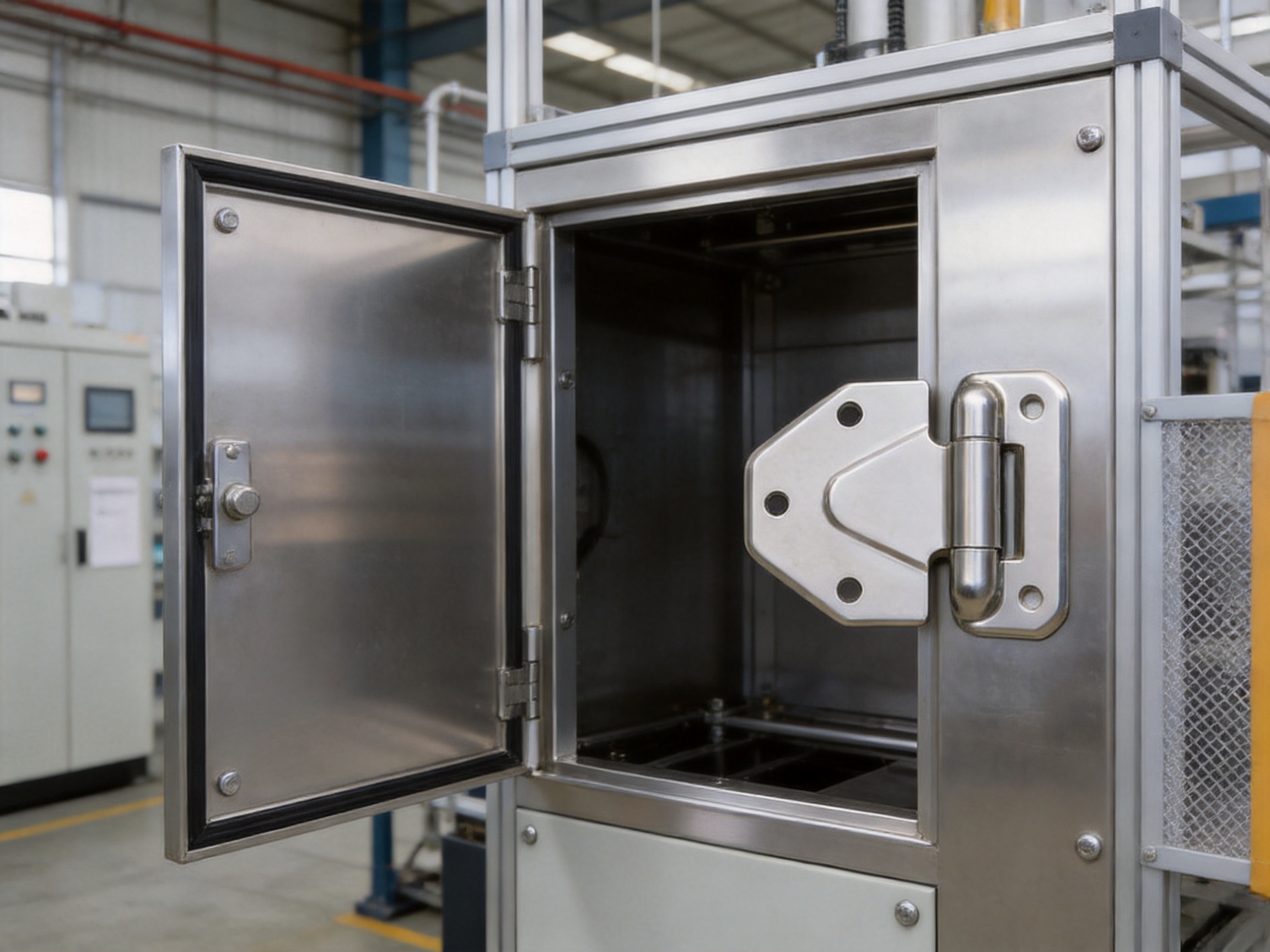
Irregular Hinge Stainless Steel Heavy Duty Hinge RV Cabinet Door Hinges Industrial Casting Hinge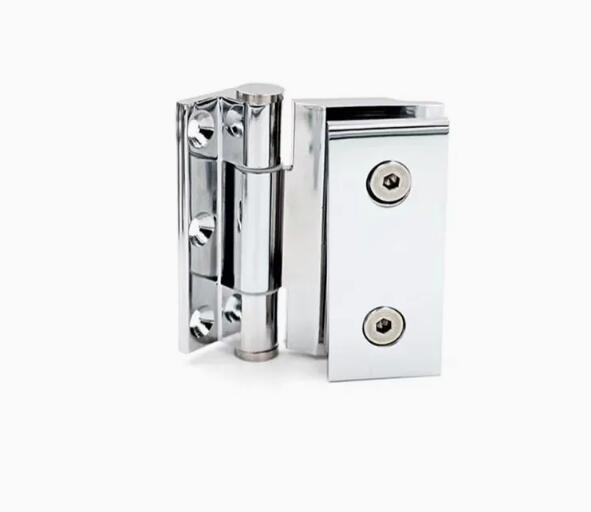
The key value of this hinge lies in its ability to perform reliably where conventional hinges are not enough. Many hinge failures occur not because the base concept of a hinge is poor, but because a standard hinge is forced into a non-standard application. When the door panel is offset, the mounting surface is narrow, the load is unbalanced, or the opening angle must be controlled, a common hinge may twist, loosen, corrode, squeak, or create uneven gaps. A properly engineered irregular stainless steel hinge solves these problems by placing material and mounting points where they are actually needed.
For buyers, manufacturers, and project engineers, the product offers several commercial and technical advantages. It supports flexible OEM and ODM customization, can be supplied in brushed or electroplated finishes, is suitable for indoor and outdoor environments, and can be developed with CAD-based integration for faster design approval. When produced by a manufacturer with strong stamping, forming, finishing, and quality control capabilities, this type of hinge becomes a high-value component rather than a simple accessory.
Product Overview: What Makes an Irregular Hinge Different
An irregular hinge is defined by its non-standard shape and purpose-driven geometry. Traditional hinges are usually rectangular or square, with evenly spaced mounting holes and predictable leaf dimensions. That format is useful for general doors, boxes, and cabinets. However, it becomes limiting when the surrounding structure is curved, offset, compact, asymmetric, decorative, or mechanically constrained. An irregular hinge allows the hinge leaf to follow the contour of the installation area, avoid interference with adjacent components, and distribute stress more efficiently.
The irregular stainless steel heavy duty hinge described here is suitable for RV cabinet doors, industrial cabinets, specialty equipment panels, furniture with hidden mounting systems, and architectural applications requiring smooth rotation and reliable fastening. Its high-grade stainless steel construction gives it excellent resistance to rust and oxidation, while precision forming and bearing-supported motion help provide quiet and stable operation over repeated use cycles.
Another important feature is its 180-degree rotation capability. In many RV, cabinet, and industrial access applications, a restricted opening angle reduces usability. A wider rotation range allows easier access to storage compartments, service panels, control boxes, and machinery interiors. When combined with a self-lubricating or low-friction mechanism, the hinge can provide smoother performance with less maintenance.
Irregular hinges can also support tool-free or simplified installation concepts through snap-fit structures, depending on the design. This is particularly valuable in assembly-line production, modular furniture manufacturing, RV interior production, and industrial equipment assembly, where reducing installation time can reduce labor cost and improve consistency. Even when tools are still required for final fastening, a self-locating or snap-fit feature can help improve positioning accuracy before screws, rivets, or other fasteners are applied.
Core Applications
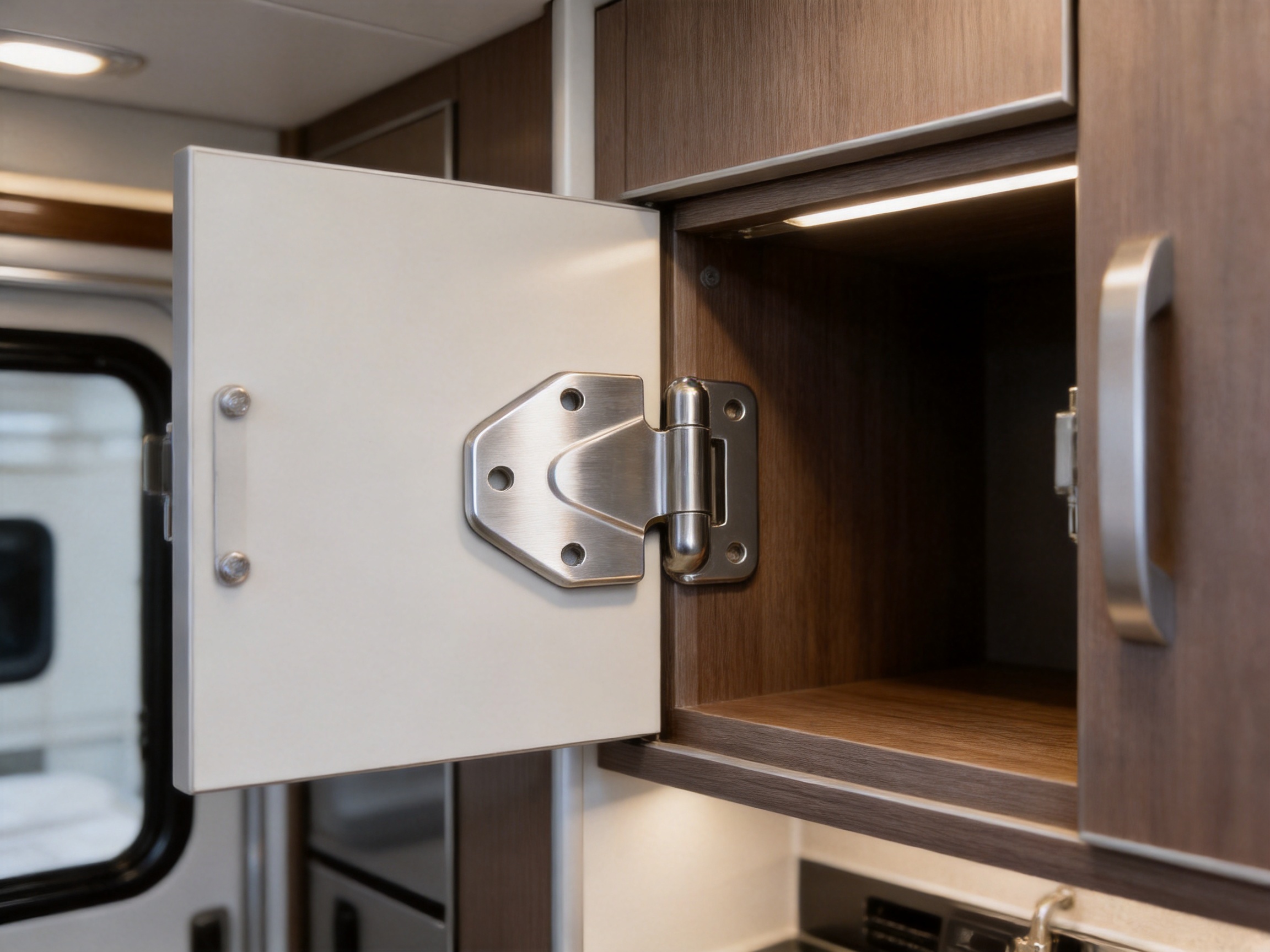
The versatility of an irregular heavy duty hinge makes it suitable for many industries. Its strongest advantage appears when a conventional hinge would require compromise. In recreational vehicles, for example, interior panels and cabinet doors must be light, durable, compact, and vibration-resistant. Space is limited, surfaces may be thin, and repeated road vibration can loosen weak hardware. A stainless steel irregular hinge with optimized mounting geometry can help maintain alignment and reduce rattling over time.
In cabinet manufacturing, irregular hinges are useful for specialty storage systems, hidden doors, non-standard panels, corner cabinets, custom furniture, and premium designs that require clean appearance. The hinge can be shaped to remain less visible, avoid obstruction, or match the internal structure of the furniture. This helps designers create doors that open smoothly without sacrificing aesthetics.
Industrial equipment applications often demand higher strength. Equipment doors, access covers, control cabinets, production line guards, metal housings, and machine panels must open and close safely. They may be exposed to dust, moisture, oil mist, temperature changes, or chemical cleaning processes. Stainless steel construction and weatherproof finishing make the hinge more suitable for harsh working conditions than many basic zinc-plated steel alternatives.
Architectural and specialty door applications may require asymmetric load distribution. Some panels are tall and narrow, some have uneven weight because of glass or insulation, and others must open around nearby structures. In these situations, an irregular hinge can be designed so that the fastening points and bearing area support the real load path rather than merely following a standard pattern.
Material Advantage: Why Stainless Steel Matters
Stainless steel is one of the most important reasons this hinge performs well in demanding environments. For hinges, corrosion is more than a cosmetic issue. Rust can increase friction, damage the knuckle, weaken the leaf, stain surrounding surfaces, and eventually cause failure. In RVs, marine-adjacent environments, outdoor cabinets, industrial workshops, and humid storage spaces, corrosion resistance is essential.
High-grade stainless steel provides a protective oxide layer that helps resist rust. Compared with ordinary carbon steel hinges, stainless steel hinges generally offer better long-term appearance and durability. Compared with some low-cost plated hinges, stainless steel is less dependent on a thin coating for corrosion protection. Even if the surface experiences minor scratches, the material itself still has corrosion-resistant properties.
Stainless steel also offers strong mechanical performance. It can withstand repeated load cycles and maintain structural integrity when properly designed and formed. For a hinge, the leaf must resist bending, the knuckle must resist deformation, and the pin or bearing system must maintain smooth rotation. The combination of stainless steel strength and precision manufacturing helps keep door alignment stable over time.
Another advantage is suitability for multiple finishes. Brushed stainless steel provides a professional, modern appearance suitable for visible furniture hardware, RV interiors, and architectural applications. Electroplated or surface-treated finishes can improve appearance, add protection, or match surrounding components. This gives buyers the flexibility to select a finish based on both function and design.
Heavy Duty Performance in Compact Spaces
A heavy duty hinge is usually associated with large size and thick material. However, many modern applications require heavy duty performance within compact installation space. RV cabinets, industrial panels, and custom furniture often cannot accommodate oversized hinges. This is where irregular design becomes especially valuable. Instead of simply increasing the overall footprint, the hinge can be shaped strategically to reinforce the areas that experience the highest stress.
The leaf profile can be extended in one direction, narrowed in another, or shaped around nearby structures. Mounting holes can be positioned to avoid weak substrate areas and maximize holding strength. The knuckle arrangement can be designed to support smooth rotation while maintaining clearance. In this way, the hinge can deliver higher load-bearing reliability without wasting space.
For competitors offering only standard hinges, the customer may need to modify the door or frame to fit the hinge. This creates additional production steps and can reduce design freedom. A custom irregular hinge reverses that relationship: the hinge adapts to the product. This is a major advantage for OEM manufacturers, because it allows the final assembly to remain cleaner, faster, and more consistent.
Heavy duty performance also depends on consistent production quality. If hole positions vary, if the hinge leaf is warped, or if the pin alignment is poor, the hinge will not perform well even if the material is strong. Therefore, the manufacturer’s stamping, forming, punching, deburring, finishing, and inspection processes are as important as the design itself.
Precision Stamping and Forming Process
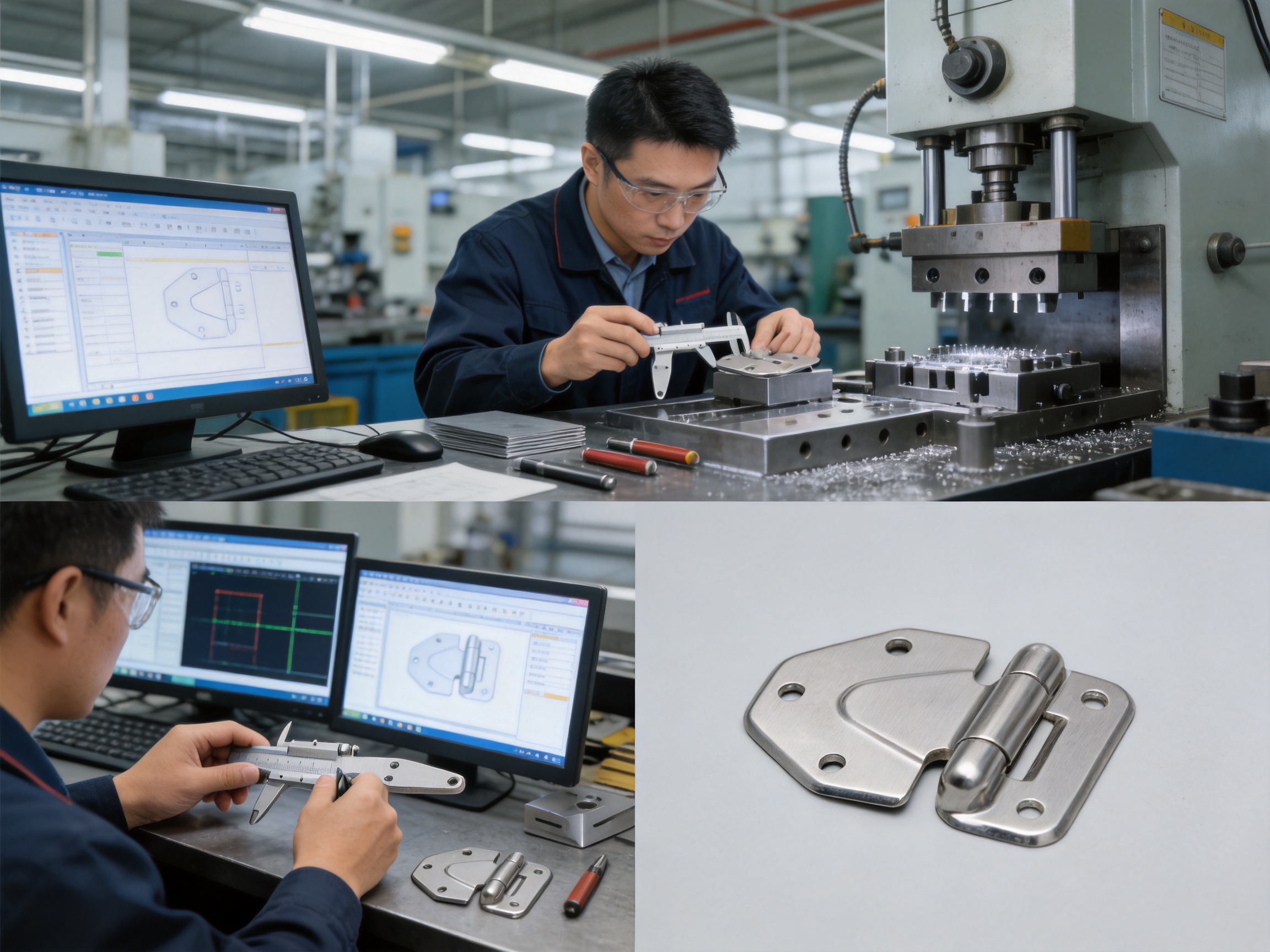
Irregular stainless steel hinges are closely connected to advanced stamping parts manufacturing. Stamping is a high-efficiency process that can produce accurate metal components by using dies, presses, and controlled forming operations. For hinge production, stamping can include blanking the irregular outline, punching mounting holes, forming bends, shaping knuckle features, and preparing the leaf for assembly.
A strong manufacturing process begins with material selection. Stainless steel sheets must be chosen according to thickness, grade, surface condition, and mechanical requirements. Material consistency affects forming behavior and final hinge strength. After material preparation, precision dies are used to cut and form the hinge leaves. For irregular shapes, die accuracy is especially important because the geometry may include non-symmetrical curves, special corners, and unique mounting patterns.
After stamping, forming operations create the functional hinge features. The hinge knuckle must be accurately rolled or formed so that the pin or bearing system aligns correctly. Even a small deviation can cause tight rotation, noise, or premature wear. For heavy duty hinges, the formed area must also maintain enough strength to resist opening and closing forces.
Deburring is another critical step. Stamped stainless steel edges can have burrs or sharp corners if not properly treated. Deburring improves safety, appearance, coating quality, and assembly performance. A well-finished hinge should not damage surrounding panels, cut installers’ hands, or interfere with smooth movement.
Surface finishing follows forming and cleaning. Brushed finishes require consistent grain direction and surface uniformity. Electroplated or coated finishes require clean, prepared surfaces for adhesion. Weatherproof coating can further improve performance in outdoor or moisture-prone environments. The final product should combine mechanical precision with a clean, professional appearance.
Manufacturing Strengths and Quality Control
Lizhan Hardware Co., Ltd. operates with experience in hardware, fasteners, packaging-related components, home tools, and stamping parts. This broad manufacturing background is valuable because a hinge rarely works alone. It interacts with screws, rivets, mounting plates, cabinet structures, equipment housings, and packaging requirements. A supplier familiar with both stamping parts and fasteners can better understand the full assembly environment.
The company’s production strengths include custom development, OEM and ODM support, flexible minimum order quantity, and the ability to provide CAD files for design integration. CAD support is especially important for irregular hinges because customers need to confirm hole locations, clearances, rotation paths, and interference conditions before mass production. By sharing digital models or drawings, the manufacturer helps customers reduce trial-and-error costs.
Quality control for a hinge should cover several stages. Incoming material inspection verifies stainless steel quality and thickness. In-process inspection checks stamped dimensions, hole positions, forming accuracy, and surface condition. Assembly inspection checks pin fit, rotation smoothness, opening angle, and axial movement. Final inspection evaluates appearance, finish, packaging, and batch consistency.
For heavy duty applications, load testing and cycle testing are also useful. Load testing confirms that the hinge can support expected panel weight without deformation. Cycle testing evaluates how the hinge performs after repeated opening and closing. Corrosion testing, such as salt spray evaluation, may be used for weatherproof or outdoor applications. These tests provide confidence for buyers who need durable components for exported products, industrial projects, or long-term installations.
The company’s China factory and Thailand warehouse arrangement can also support supply flexibility. A manufacturing base in Zhejiang provides access to developed hardware production resources, while warehouse capacity in Thailand can support regional distribution and service for Southeast Asian customers. For international buyers, this combination can reduce communication barriers, improve delivery planning, and support repeat orders.
Comparison with Conventional Hinges
The differences between an irregular stainless steel heavy duty hinge and a standard commodity hinge are significant. The comparison is not only about price; it is about total performance, assembly efficiency, design compatibility, and long-term reliability.
| Evaluation Item | Irregular Stainless Steel Heavy Duty Hinge | Conventional Standard Hinge |
|---|---|---|
| Geometry | Customizable non-standard shapes for special installation conditions | Usually rectangular or fixed-size shapes |
| Material Performance | High-grade stainless steel with strong corrosion resistance | Often carbon steel, zinc alloy, or basic plated steel |
| Application Fit | Adapted for RV cabinets, industrial panels, specialty doors, and compact spaces | Best for ordinary flat doors and simple cabinets |
| Rotation Capability | Can support wide-angle movement, including 180-degree rotation depending on design | Often limited by basic knuckle and leaf geometry |
| Installation Efficiency | Can include snap-fit or self-positioning design features | Usually requires full manual positioning and fastening |
| Durability | Designed for heavy duty loads, vibration, and demanding environments | Performance varies widely and may be lower in harsh conditions |
| Customization | OEM and ODM development with CAD support | Limited to catalog dimensions and existing tooling |
| Appearance Options | Brushed, electroplated, and weatherproof finishes available | Often limited finish choices |
This comparison shows why irregular hinge solutions are preferred when product value, performance, and design freedom matter. A standard hinge may appear cheaper at first, but if it requires extra brackets, rework, larger clearance, repeated maintenance, or replacement after corrosion, the total cost can become higher. A customized stainless steel hinge can reduce hidden costs by fitting correctly from the beginning.
Design Advantages for RV Cabinet Doors
Recreational vehicles are one of the most demanding environments for small hardware. Every component must handle vibration, temperature changes, moisture, repeated use, and limited space. Cabinet hinges inside an RV must keep doors aligned while the vehicle moves. If a hinge is weak or poorly fitted, doors may rattle, sag, or open unintentionally.
An irregular stainless steel heavy duty hinge can be designed to match the cabinet structure inside an RV. The leaf may be shaped to avoid trim pieces, fit narrow frames, or align with lightweight panels. Mounting holes can be located where the substrate has stronger support. If the hinge uses smooth rotation technology, it can reduce noise and provide a premium user experience.
Corrosion resistance is also useful for RVs because interior humidity can change quickly. Cooking, washing, weather exposure, and storage conditions all affect moisture levels. Stainless steel helps protect the hinge against rust and staining, preserving both function and appearance.
In addition, the ability to support OEM customization allows RV manufacturers to standardize their cabinet hardware across different models while still maintaining unique design features. Instead of selecting from limited catalog hinges, engineers can develop a hinge that supports their brand’s cabinet layout, assembly process, and interior design style.
Design Advantages for Modern Furniture
Modern furniture increasingly favors clean lines, hidden hardware, slim profiles, and multi-functional movement. Traditional hinges can be visually intrusive or mechanically unsuitable for these designs. Irregular hinges offer a way to integrate motion hardware into furniture without compromising appearance.
For example, a cabinet may have an asymmetric door panel, a concealed compartment, a curved edge, or a limited mounting surface. A standard hinge might protrude, block the opening path, or require a visible bracket. A custom irregular hinge can be shaped to hide behind the panel, fit within the available structure, and distribute force properly.
The brushed stainless steel finish can also become part of the design when the hinge is visible. It provides a refined appearance suitable for premium cabinets, display furniture, storage units, and specialty fixtures. Electroplated finishes can be chosen to match other hardware such as handles, knobs, rails, and decorative fasteners.
Furniture manufacturers benefit from consistent stamping production because it supports repeatable quality in volume manufacturing. Accurate hole positions and stable dimensions reduce assembly time and improve finished product consistency. This is particularly important for export furniture, where replacement and after-sales service can be costly.
Design Advantages for Industrial Equipment
Industrial equipment requires hardware that can survive practical working conditions. Doors and covers may be opened frequently for inspection, maintenance, adjustment, and cleaning. A weak hinge can compromise safety and productivity. If an access panel sags or sticks, operators may delay maintenance or apply excessive force, creating further damage.
A stainless steel heavy duty hinge helps industrial equipment maintain reliable access. The corrosion-resistant material is suitable for workshops, warehouses, outdoor cabinets, and production environments where humidity or chemical exposure may occur. Weatherproof coatings can further protect the hinge in challenging settings.
The irregular geometry is valuable because industrial equipment often has space constraints. Motors, sensors, cables, guards, frames, and handles may all compete for space. A custom hinge can avoid interference while still supporting the required panel weight. It can also be designed for asymmetric load distribution, which is common when access panels include insulation, glass, locks, or control devices.
For industrial buyers, durability reduces downtime. A hinge that operates smoothly after many cycles helps maintain service efficiency. It also improves the perceived quality of the equipment. When a door opens easily, aligns properly, and closes securely, users gain confidence in the entire machine.
Smooth Motion and Noise Reduction
One of the key product advantages is smooth and quiet operation. In a hinge, motion quality depends on alignment, friction, surface condition, pin fit, and bearing or bushing design. If any of these factors are poorly controlled, the hinge may squeak, bind, wobble, or wear quickly.
Precision ball bearings or low-friction mechanisms can improve rotation by reducing metal-to-metal friction. Self-lubricating features can reduce maintenance requirements and help the hinge operate consistently. These characteristics are important in RV interiors, office furniture, medical cabinets, laboratory equipment, and industrial control panels where noise and rough movement are undesirable.
Silent operation also indicates good manufacturing precision. A hinge that moves smoothly without scraping usually has better alignment and more consistent forming. This helps reduce wear over time. In contrast, a low-quality hinge may feel acceptable when new but develop looseness or noise after repeated use.
The 180-degree rotation capacity expands usability. A door that opens fully can provide better access to stored items or internal equipment. It also reduces the chance of operators forcing the door beyond its designed range. However, rotation angle should always be confirmed according to the final hinge geometry and installation environment, because surrounding structures may limit actual movement.
Installation Efficiency and Snap-Fit Concepts
Installation efficiency is a major concern in mass production. Every additional second spent positioning a hinge, aligning holes, holding parts, or correcting misalignment becomes a cost. For furniture factories, RV assembly lines, and equipment manufacturers, hardware that installs quickly and accurately can provide measurable value.
The irregular hinge can be developed with snap-fit or self-locating features depending on the application. A snap-fit structure may allow the hinge to temporarily hold its position before final fastening. This helps workers align the part without needing extra fixtures. In some applications, tool-free installation may be possible for certain assembly steps, improving speed and reducing operator fatigue.
Even when screws or rivets are required, a hinge with accurate locating geometry helps prevent mistakes. It can reduce the risk of installing the hinge upside down, offset, or at the wrong angle. This is especially useful for non-standard hinges, because their shape can be designed to match only the correct mounting location.
From a product design viewpoint, installation features should be considered early. If the customer provides drawings, CAD files, panel thickness, load requirements, and assembly method, the manufacturer can suggest hole positions, tab features, bends, or surface treatments that improve assembly reliability.
Weatherproof and Corrosion-Resistant Finishing
Surface finishing is not merely decorative. For hinges used outdoors, near moisture, in vehicles, or in industrial environments, the finish contributes to service life. Stainless steel already provides corrosion resistance, but additional brushing, polishing, electroplating, passivation, or coating can improve performance or appearance.
A brushed finish is commonly used when the hinge is visible. It gives a uniform linear texture and reduces the visibility of minor scratches. It also matches many modern stainless steel appliances, furniture accessories, and architectural details.
Electroplated finishes may be selected for color matching or enhanced surface properties. Depending on the coating system, electroplating can provide a decorative surface, additional corrosion protection, or compatibility with surrounding hardware. Weatherproof coating can help the hinge resist moisture, salt spray, and environmental exposure.
The finishing process must be controlled carefully. Poor cleaning before coating can lead to peeling or discoloration. Uneven brushing can make the hinge look inconsistent. Excessive coating thickness may affect hole fit or hinge movement. A manufacturer with strong process control can balance appearance and function.
Customization Through OEM and ODM Services
OEM and ODM services are central to the value of irregular hinge products. OEM production allows the customer to provide a design or specification, and the manufacturer produces according to that requirement. ODM service goes further, allowing the manufacturer to participate in design development, optimization, and production planning.
For irregular hinges, customization may include material thickness, stainless steel grade, hinge length, leaf profile, mounting hole size, hole spacing, rotation angle, knuckle diameter, pin type, bearing selection, snap-fit features, surface finish, packaging, and marking. The design can also be adjusted to meet cost targets, assembly requirements, or application standards.
CAD files help speed up this process. Engineers can import the hinge model into their cabinet, RV, or equipment assembly design to check fit and clearance. Digital review reduces the number of physical samples needed and helps identify interference before tooling investment. For non-standard hardware, this is an important step in reducing development risk.
Flexible MOQ is another advantage. Some projects require small trial batches before mass production. Others need customized hinges for niche products or specialized equipment. A supplier willing to support flexible quantities can help customers test the market, validate the design, and scale up gradually.
How the Product Outperforms Competitors
The product’s competitive advantage comes from the combination of material, design flexibility, manufacturing precision, and support service. Many competitors may offer low-cost standard hinges, but they cannot easily solve non-standard installation problems. Others may offer custom hinges but lack strong finishing capability or consistent stamping quality. A high-quality irregular stainless steel hinge provides a complete solution.
First, the use of stainless steel gives it better corrosion resistance than basic carbon steel hinges. This extends service life and protects appearance. Second, the irregular shape allows better adaptation to compact or asymmetric applications. This reduces the need for extra brackets or structural modifications. Third, heavy duty design supports stronger load performance and better alignment retention.
Fourth, smooth motion features such as precision bearings or self-lubricating mechanisms improve user experience. A hinge that opens quietly and consistently gives the final product a premium feel. Fifth, customizable finishes allow the hinge to match visible design requirements or environmental needs. Sixth, OEM and ODM support means customers are not limited to catalog dimensions.
Compared with competitors focused only on price, this product targets total value. The cost of a hinge should be evaluated together with installation time, product reliability, maintenance needs, warranty risk, and customer satisfaction. In many applications, a better hinge can reduce problems across the entire product life cycle.
Engineering Considerations for Buyers
To choose the right irregular hinge, buyers should define their application clearly. Important information includes door size, door weight, panel material, frame material, opening angle, expected cycle life, environment, mounting method, visible appearance requirements, and packaging needs. Without this information, it is difficult to design the most efficient hinge.
Load direction is especially important. A hinge may experience vertical load, pulling force, twisting force, vibration, or impact. If the door is heavy or wide, the hinge must resist sagging. If the panel is thin, the mounting holes must be positioned to prevent tear-out. If the application is exposed to vibration, fastener locking methods and hole tolerances should be considered.
The number of hinges per door also matters. A small cabinet door may need two hinges, while a tall industrial panel may need three or more. The hinge design should be evaluated as part of the whole door system, not as an isolated part. The strongest hinge cannot perform well if the mounting surface is too weak or the fasteners are unsuitable.
Buyers should also consider environmental requirements. Indoor dry furniture may need mainly smooth motion and appearance. Outdoor cabinets may require stronger corrosion protection. Industrial equipment may require resistance to oil, dust, cleaning chemicals, or temperature changes. Each condition can influence material and finish selection.
Role of Fasteners and Complete Hardware Compatibility
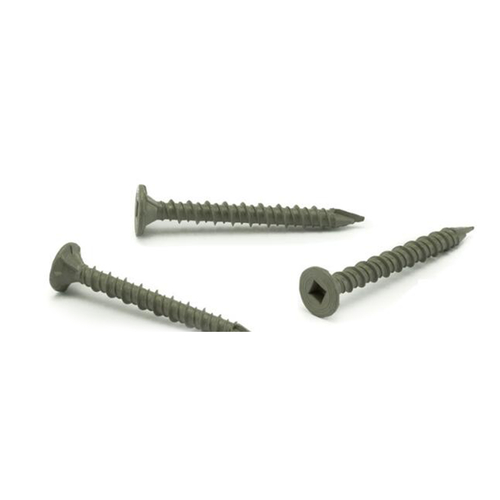
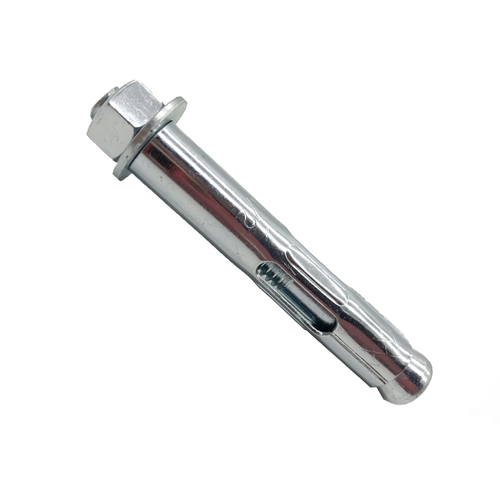
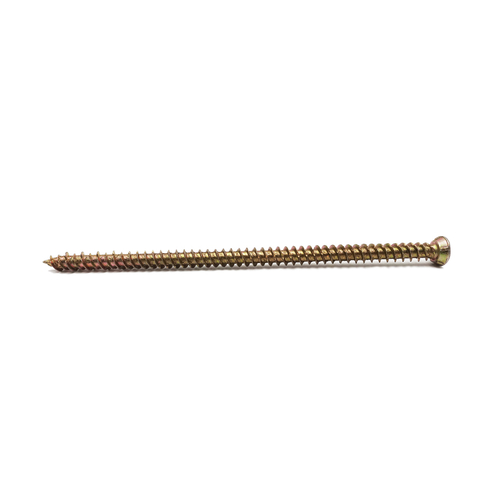
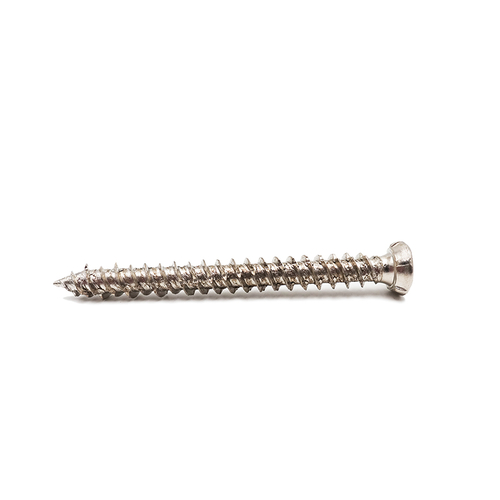
A hinge is only as reliable as its fastening system. Screws, rivets, bolts, washers, threaded inserts, or welding points must match the hinge and the base material. Since Lizhan Hardware Co., Ltd. has broader experience in fasteners and hardware parts, it can better support compatibility between hinges and mounting components.
For wooden cabinets, screw thread design and pilot hole size affect holding strength. For metal cabinets, machine screws, rivets, or welded studs may be used. For plastic panels, inserts or reinforced bosses may be necessary. The hinge hole diameter, countersink design, and spacing should match the selected fastener.
In vibration environments, locking screws, thread-locking compounds, spring washers, or special fastening methods may be required. In outdoor environments, fasteners should have corrosion resistance compatible with the stainless steel hinge to avoid galvanic corrosion or staining. A complete hardware approach reduces the risk of failure caused by mismatched components.
Packaging, Logistics, and Export Readiness
Packaging is an important part of hardware supply. Stainless steel hinges can be scratched if packed loosely. Precision hinge components may also be damaged by impact during transport. Proper packaging protects finish quality, prevents deformation, and supports efficient assembly at the customer’s factory.
Packaging options may include individual bags, protective separators, bulk cartons, labeled boxes, or customer-specific packaging. For OEM buyers, barcode labels, batch numbers, or assembly instructions may be required. Good packaging helps incoming inspection and warehouse management.
Export readiness also includes stable communication, documentation, and delivery planning. International buyers often need consistent specifications, clear drawings, quality records, and predictable lead times. The combination of manufacturing capability and warehouse support can help improve supply reliability for global projects.
Recommended Specification Discussion Points
When beginning a custom irregular hinge project, customers can prepare several details to speed development. These include product drawings, installation photos, panel thickness, expected load, required finish, quantity forecast, target price range, and any special standards. If CAD files are available, they should be shared for more accurate evaluation.
The supplier can then review manufacturability. Some shapes may be adjusted slightly to improve stamping efficiency or reduce tooling cost. Hole spacing may be optimized to prevent cracking or deformation. Bend radius may be adjusted according to stainless steel thickness. Surface finish may be recommended based on environment and appearance expectations.
Sampling is usually the next step. A prototype or trial batch allows the customer to test fit, rotation, strength, and appearance. Feedback from sampling can be used to improve the design before mass production. Once approved, the product can move into controlled batch manufacturing.
Maintenance and Long-Term Use
Although stainless steel irregular hinges are designed for durability, proper use and maintenance can extend service life. Installers should ensure that hinges are mounted squarely and that fasteners are tightened correctly. Misalignment can create unnecessary stress and reduce smoothness.
In dusty or industrial environments, hinges should be cleaned periodically to remove debris. If the hinge includes self-lubricating or bearing features, excessive external lubrication may not be necessary, but the manufacturer’s recommendation should be followed. For outdoor use, surfaces can be cleaned with mild agents to preserve appearance.
Users should avoid overloading doors beyond the intended design. If a door is used as a support surface or forced past its stop point, even a heavy duty hinge may be damaged. Correct application design, proper installation, and reasonable maintenance together ensure the best performance.
Q&A Section
What is an irregular hinge?
An irregular hinge is a hinge with a non-standard shape or customized geometry. It is designed for applications where ordinary rectangular hinges do not fit well or cannot distribute load properly. Its leaf shape, mounting hole position, rotation structure, and finish can be customized according to the installation requirement.
Why choose stainless steel instead of ordinary steel?
Stainless steel provides better corrosion resistance, longer service life, and a cleaner appearance than ordinary carbon steel. It is especially useful for RVs, cabinets, outdoor equipment, industrial environments, and moisture-prone applications.
Can this hinge be used for RV cabinet doors?
Yes. The hinge is suitable for RV cabinet doors because it can be designed for compact spaces, vibration resistance, lightweight structures, and corrosion protection. Its smooth motion also improves the user experience inside the vehicle.
Is the hinge suitable for industrial equipment?
Yes. The heavy duty stainless steel design makes it suitable for equipment access panels, control cabinets, machinery covers, and industrial enclosures. Custom geometry can help avoid interference with other machine components.
Can the hinge open 180 degrees?
The hinge can be designed to support 180-degree rotation, depending on the final structure and installation environment. Actual opening angle should be confirmed with drawings and samples because surrounding panels or frames may limit movement.
What finishes are available?
Common finish options include brushed stainless steel, electroplated finishes, and weatherproof coatings. The best choice depends on appearance requirements and the operating environment.
Can the hinge be customized?
Yes. OEM and ODM customization can include shape, size, material thickness, hole position, rotation structure, surface finish, packaging, and other requirements. CAD files can be provided to support design integration.
What information is needed for a custom hinge quotation?
Useful information includes drawings, samples, application photos, door weight, panel dimensions, material thickness, required opening angle, finish preference, expected quantity, and environmental conditions.
How does the hinge reduce installation time?
The hinge can be developed with self-locating or snap-fit features, depending on the project. Accurate stamping and hole positioning also help workers align and fasten the hinge more quickly and consistently.
Why is precision manufacturing important for hinges?
Precision manufacturing controls hole position, leaf flatness, knuckle alignment, pin fit, and surface finish. These factors directly affect smooth rotation, durability, appearance, and assembly efficiency.
Conclusion
The irregular stainless steel heavy duty hinge is a practical solution for applications that demand more than a standard hinge can provide. Its non-standard geometry allows it to fit compact, asymmetric, or specialized structures. Its stainless steel construction provides corrosion resistance and mechanical strength. Its smooth rotation features support quiet and reliable operation. Its finish options allow it to serve both functional and decorative requirements.
For RV cabinet doors, the hinge offers vibration-resistant, space-saving, and corrosion-resistant performance. For modern furniture, it supports hidden mounting, clean design, and custom movement. For industrial equipment, it provides heavy duty durability, access reliability, and compatibility with challenging environments. Across all applications, the main advantage is the ability to adapt the hinge to the product rather than forcing the product to adapt to a standard hinge.
Lizhan Hardware Co., Ltd. strengthens this product value through precision stamping capability, hardware manufacturing experience, OEM and ODM service, CAD support, flexible quantity options, and attention to finishing and quality control. By combining advanced manufacturing processes with application-driven design, the company can support customers who need durable, attractive, and reliable hinge solutions for specialized products.
For buyers seeking higher performance, lower assembly risk, and stronger long-term reliability, the irregular stainless steel heavy duty hinge is an intelligent choice. It delivers the durability of stainless steel, the adaptability of custom stamping, and the smooth operation required by modern RV, cabinet, furniture, and industrial applications.
References
Budynas, R. G., and Nisbett, J. K. Shigley’s Mechanical Engineering Design. McGraw-Hill Education.
Kalpakjian, S., and Schmid, S. R. Manufacturing Engineering and Technology. Pearson.
Dieter, G. E., and Schmidt, L. C. Engineering Design. McGraw-Hill Education.
ASM International. ASM Handbook, Volume 14B: Metalworking: Sheet Forming. ASM International.
ASM International. ASM Handbook, Volume 13A: Corrosion: Fundamentals, Testing, and Protection. ASM International.
Oberg, E., Jones, F. D., Horton, H. L., and Ryffel, H. H. Machinery’s Handbook. Industrial Press.