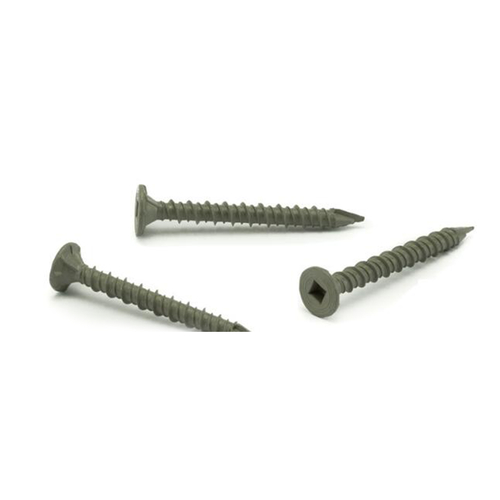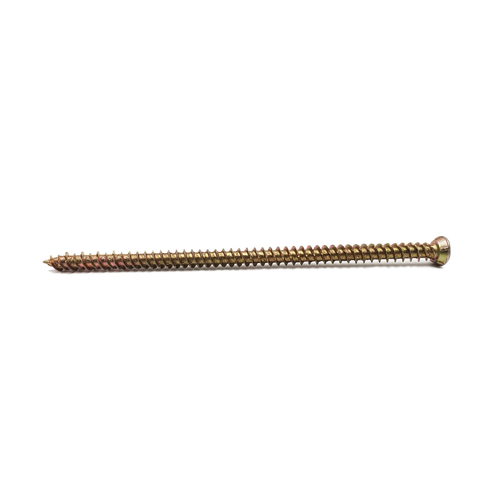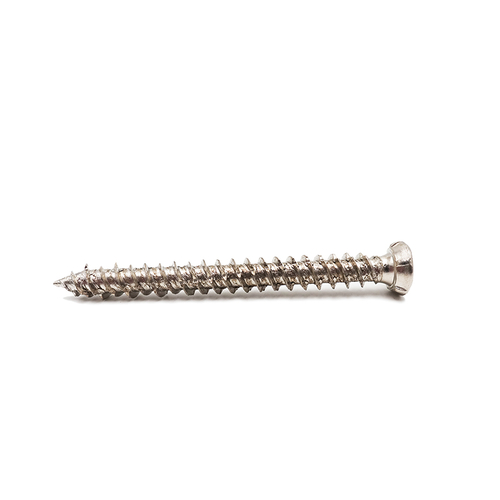

Drywall installation depends on thousands of small fastening points, and the quality of each screw can affect the speed, appearance, durability, and reliability of the finished wall system. A suitable drywall screw must penetrate efficiently, hold securely, sit beneath the board surface without tearing the paper face, and remain compatible with the selected power tool. For contractors, distributors, furniture manufacturers, and building-material buyers, the screw is not simply a low-cost accessory. It is a precision component that influences productivity and installation quality.
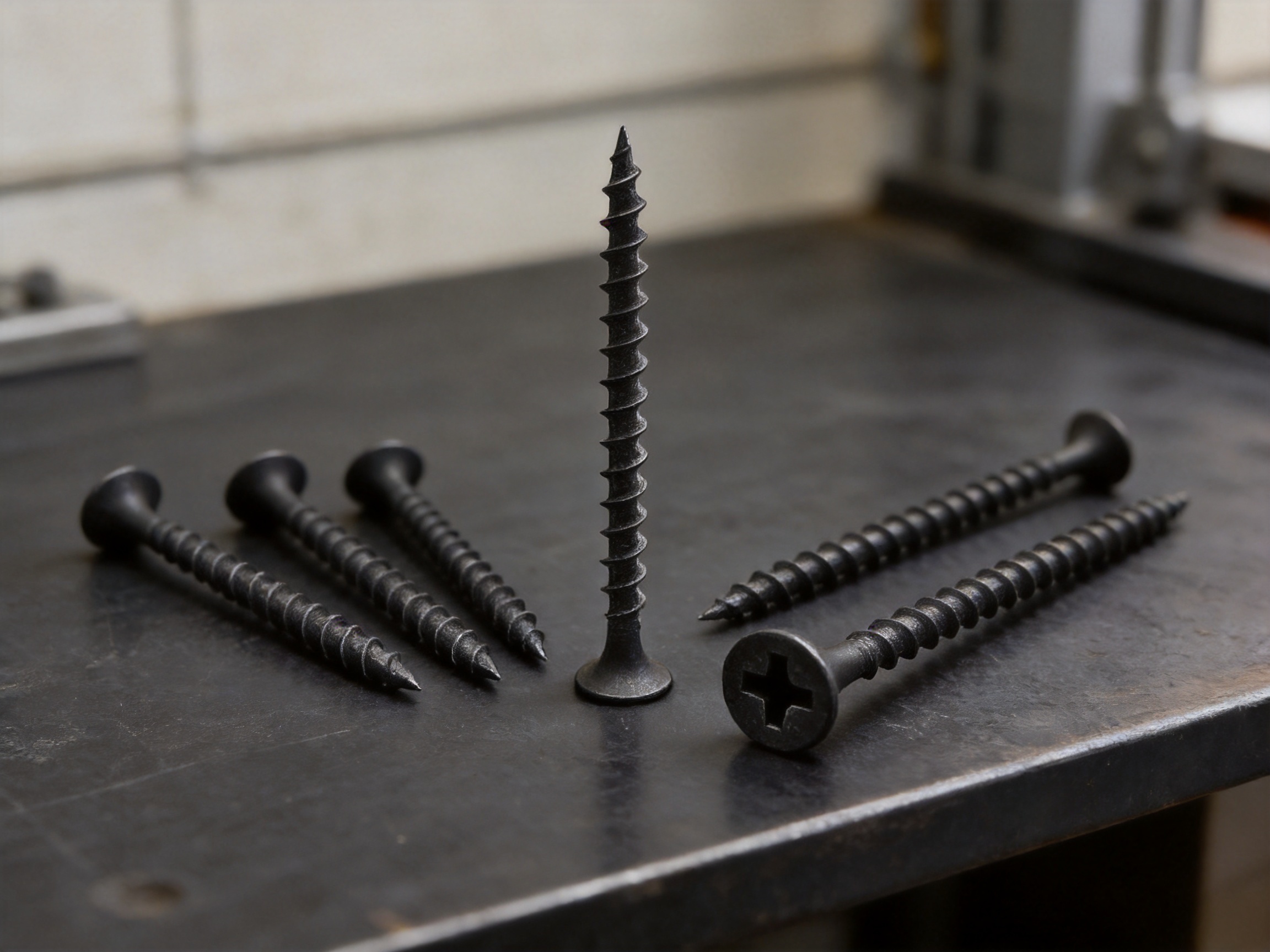
Ph2 bugle head drywall screws with black phosphate coating and coarse thread are designed for fast and dependable fastening of gypsum board to timber or other suitable supporting materials. Their Phillips No. 2 recess, bugle-shaped head, hardened carbon-steel construction, coarse-thread option, and broad size range make them suitable for common drywall, interior construction, repair, and light-duty fastening applications.
This article examines the product’s design, material, manufacturing process, surface treatment, installation performance, purchasing considerations, and quality-control requirements. It also explains how Lizhan Hardware Co., Ltd. supports buyers through product customization, multiple finish options, two-location logistics coverage, and a broad screw-production range.
Product Overview
The product is a Ph2 bugle head drywall screw featuring a Phillips drive, a bugle head, coarse or fine thread selection, and a black phosphate finish option. The standard material listed for the product is C1022A carbon steel, a commonly used material for screws requiring a balance of strength, formability, and efficient cold-heading performance.
The listed diameter range includes #6, #8, #10, #12, and #14 sizes, corresponding approximately to 3.5 mm, 4.2 mm, 4.8 mm, 5.5 mm, and 6.3 mm. Available lengths range from 1/2 inch to 5 inches, or approximately 13 mm to 152 mm. This range allows buyers to select a screw according to board thickness, substrate type, fixing depth, and project requirements.
The principal product specifications are summarized below.
| Item | Available Specification | Typical Purchasing Significance |
|---|---|---|
| Drive | Phillips, including Ph2; square and Torx options are also available in the production range | Determines bit compatibility, torque transfer, and installation convenience |
| Head style | Bugle head | Helps distribute pressure around the board surface and supports a recessed finish |
| Diameter | #6-3.5, #8-4.2, #10-4.8, #12-5.5, #14-6.3 | Allows selection based on holding demand and material thickness |
| Length | 1/2 inch-5 inches; 13 mm-152 mm | Supports short interior fixes and deeper fastening applications |
| Material | C1022A carbon steel | Provides a practical base for forming, heat treatment, and screw production |
| Thread | Coarse thread or fine thread | Enables selection for timber, metal framing, or other compatible substrates |
| Surface options | Black phosphate, zinc plated, yellow zinc plated, Dacromet, Ruspert, and Magni | Allows finish selection according to appearance and corrosion requirements |
Because the product can be supplied with different drives, threads, lengths, and coatings, buyers can request a configuration suited to a particular market or application rather than accepting a single fixed version. The black phosphated coarse-thread Ph2 model remains the central configuration for standard drywall work, while the wider production range supports related fastening programs.
Why the Bugle Head Matters
The bugle head is one of the defining features of a drywall screw. Its curved underside transitions gradually from the head to the shank rather than forming a sharp, flat shoulder. This geometry helps spread the load over a broader area of the gypsum board surface and reduces the likelihood of cutting through the paper layer when the screw is installed correctly.
During drywall installation, the screw should normally be driven slightly below the board surface to create a shallow dimple that can later be covered with joint compound. A properly formed bugle head supports this recessed installation. It provides a more controlled contact area than many general-purpose pan-head or hex-head screws, which are not designed for a clean drywall finish.
Head geometry also affects the overall appearance of a completed wall. If the head is too aggressive, poorly formed, or driven at an incorrect angle, it may damage the board face or create a visible defect. Consistent head dimensions help the installer achieve repeatable results across a large number of fastening points.
For distributors and professional users, head consistency is therefore more than a cosmetic matter. It influences tool settings, installation speed, rework rates, joint-compound consumption, and customer satisfaction. A screw with a stable head profile is easier to use in automated or semi-automated installation environments.
Ph2 Drive Design and Installation Efficiency
The Ph2 designation identifies a Phillips No. 2 drive size commonly used for drywall screws. It is widely recognized by contractors and is compatible with readily available screwdriver bits, drywall screw guns, cordless drills, and production fastening equipment.
A correctly formed recess should accept the bit with a positive fit. The recess must be deep and symmetrical enough to transfer driving force while minimizing premature cam-out. Cam-out occurs when the bit rises out of the recess under torque. Excessive cam-out can damage the screw head, wear the bit, slow installation, and leave the screw insufficiently seated.
Drive performance is affected by several factors, including recess geometry, material hardness, head formation, bit quality, tool speed, and installation pressure. The Ph2 configuration offers a practical balance between broad market compatibility and efficient everyday use. It is especially suitable where contractors already standardize on Phillips drywall bits.
Alternative square and Torx drives are listed within the wider production range. These alternatives may be requested when a buyer prefers higher bit engagement, different tool standards, or a particular regional market specification. This flexibility is valuable for importers and private-label distributors that serve more than one customer segment.
Regardless of drive type, the bit should be kept aligned with the screw axis. Angled driving increases the risk of recess damage and can cause the screw to enter the board incorrectly. Proper tool adjustment is as important as screw design when seeking consistent installation results.
Coarse Thread Performance
Coarse-thread drywall screws are commonly selected for fastening gypsum board to timber studs and other relatively soft supporting materials. The larger thread pitch allows the screw to advance quickly and provides substantial thread engagement in the substrate. Coarse threads can also help remove loose board material and installation debris as the screw enters.
The correct thread should always be selected according to the supporting material. Coarse thread is generally associated with wood or similar materials, while fine thread is often preferred for metal framing. The application, framing thickness, material hardness, and local construction practice should be reviewed before final selection.
Thread consistency is essential. The crest, root, pitch, and thread angle should remain stable along the working length. Inconsistent threads can increase driving resistance, reduce holding performance, or make the screw difficult to install at a controlled depth.
A suitable coarse-thread screw should enter the board smoothly and continue into the supporting member without excessive stripping. The point and first thread should initiate penetration efficiently, while the remaining thread length should develop reliable engagement. For larger diameters or deeper installations, the buyer should confirm the required pilot-hole practice and substrate conditions.
The product range also includes fine-thread options. This gives project planners the ability to use the same manufacturing source for different framing systems while maintaining a consistent approach to packaging, quality documentation, and supply coordination.

Ph2 Bugle head drywall screws black phosphated coarse thread
C1022A Carbon Steel Material
C1022A is a carbon-steel material commonly used for fasteners. Its suitability for screw production comes from its combination of carbon content, forming behavior, strength potential, and availability. The material can be processed through heading, pointing, thread rolling, and heat-treatment operations when the manufacturing program requires these steps.
Material selection affects every stage of production. Steel wire must be suitable for cold forming so that the head and recess can be created without unacceptable cracking or dimensional instability. It must also respond predictably to any heat-treatment process used to obtain the required mechanical performance.
For buyers, the important point is that material designation alone does not guarantee final product quality. Incoming wire control, supplier consistency, chemical verification where required, process control, heat-treatment management, and finished-product inspection must all work together. A reliable manufacturer should be able to manage these stages as part of an integrated production system.
C1022A is appropriate for many standard drywall screw applications, but project requirements may vary. Buyers should communicate any requirements related to hardness, torque resistance, pull-out performance, salt-spray testing, dimensional tolerances, packaging, or applicable customer standards before production begins.
Black Phosphate Surface Treatment
Black phosphate is a widely used surface treatment for drywall screws. It creates a dark, low-reflective appearance that is visually compatible with many drywall installation environments. The coating can also provide a degree of surface protection and may help retain lubricant or improve handling characteristics, depending on the specific treatment system.
The black appearance is often preferred for interior drywall work because it is less visually prominent than bright metallic finishes when screws are handled before joint finishing. It can also help distributors distinguish drywall screws from other fastener categories in mixed inventory.
Surface treatment must be uniform. Variations in color, coverage, adhesion, or residue may indicate process instability or inadequate post-treatment handling. The finished screw should be inspected for exposed areas, excessive deposits, damaged coating, and contamination that could interfere with installation.
Black phosphate is not automatically equivalent to a heavy-duty outdoor corrosion-protection system. The appropriate finish depends on exposure conditions. For interior dry environments, black phosphate may be a practical and economical choice. For more demanding conditions, the buyer may select zinc plating, yellow zinc plating, Dacromet, Ruspert, or Magni according to the intended performance requirement.
Finish selection should therefore be treated as an engineering and commercial decision rather than only a color choice. The manufacturer’s available options make it possible to align coating selection with the environment, customer expectations, packaging appearance, and target price.
Available Surface Options
In addition to black phosphate, the production range includes zinc plated, yellow zinc plated, Dacromet, Ruspert, and Magni finishes. Each option can serve a different combination of corrosion resistance, appearance, environmental requirement, and market preference.
Zinc plating provides a bright metallic appearance and is commonly selected for general-purpose corrosion protection. Yellow zinc plating adds a yellow or iridescent appearance and may be preferred in markets where this finish is familiar or where visual product differentiation is useful.
Dacromet and Ruspert are specialized coating systems often selected when a higher level of corrosion resistance or a particular coating performance profile is needed. Magni coatings may also be specified for demanding applications, subject to the exact product system and customer requirements.
Coating performance depends on the complete process, including cleaning, pretreatment, coating application, curing, handling, and testing. Buyers should identify the required coating type and any performance test method before ordering. A finish name should be accompanied by clear expectations regarding thickness, adhesion, corrosion testing, friction behavior, and restricted substances where relevant.
The ability to offer several finishes is an advantage for wholesalers and importers. It reduces the need to source every surface option from a different supplier and supports a more organized product portfolio. It also enables customers to maintain consistent dimensions and drive specifications across multiple finish categories.
Manufacturing Process
High-quality drywall screws depend on controlled manufacturing from raw material to final packaging. Although specific machinery and internal process parameters may vary by order, a professional screw-production program normally includes material preparation, cold heading, recess forming, pointing, thread rolling, heat treatment when required, surface treatment, sorting, inspection, and packing.
Material Preparation
Production begins with steel wire selected according to the specified material grade and screw dimensions. Wire diameter, surface condition, chemical composition, and forming suitability are important. The wire is prepared and fed into heading equipment in a controlled manner so that each blank begins with consistent volume.
Consistent wire preparation helps reduce variation in head diameter, shank size, and material distribution. It also supports stable production when the order includes multiple lengths or diameters.
Cold Heading
Cold heading forms the screw blank and head under pressure. The operation must create the required bugle profile without splitting, folding, or producing excessive material displacement. The head volume must be sufficient to form the final recess and underside geometry.
For drywall screws, head-forming precision is especially important because the bugle profile directly affects seating in the board. A controlled heading process also improves consistency from piece to piece and helps downstream recess forming operate reliably.
Recess Forming
The Phillips recess is formed in the head using suitable tooling. The tooling must produce the required geometry, depth, symmetry, and surface condition. Worn or improperly adjusted tooling can result in shallow recesses, damaged corners, uneven arms, or inconsistent bit engagement.
Manufacturing control at this stage supports the practical advantages of the Ph2 drive. A clear, accurately formed recess allows the installer to transfer torque efficiently and reduces the chance of stripping during normal use.
Pointing
The screw point is formed to support initial penetration into the board and substrate. Point geometry can influence starting behavior, alignment, driving resistance, and the risk of board damage. The point must be consistent with the selected thread and intended application.
Point inspection is particularly important when screws are used in high-volume installation. A poorly formed point may cause the installer to apply excessive force, increasing the chance of slipping, misalignment, or damage to the board surface.
Thread Rolling
Thread rolling forms the coarse or fine thread without removing material in the same way as a cutting operation. The process can provide a strong, consistent thread profile when the blank size, tooling, alignment, and lubrication are properly controlled.
The manufacturer must maintain the specified pitch, major diameter, minor diameter, thread length, and transition between the threaded and unthreaded areas. Thread rolling also requires attention to tooling wear because gradual wear can change the final profile and affect installation torque.
Heat Treatment
Depending on the required mechanical properties and product specification, heat treatment may be used to develop suitable hardness and strength. The process must be controlled to avoid excessive brittleness, inadequate hardness, distortion, or inconsistent performance.
For a production order, heat-treatment requirements should be clearly defined. The appropriate balance between hardness and toughness is important: a screw must resist driving stresses while retaining enough toughness to reduce the risk of fracture under normal installation conditions.
Surface Treatment and Finishing
After forming and any required heat treatment, screws are cleaned and finished according to the selected coating. Black phosphate, zinc, yellow zinc, Dacromet, Ruspert, and Magni options require different process controls. Proper preparation supports coating adhesion and consistent appearance.
After finishing, the screws should be handled in a way that limits scratches, contamination, and mechanical damage. Bulk handling equipment, bins, conveyors, and packaging systems must be selected and adjusted to protect the finished surface.
Sorting and Packaging
Sorting removes nonconforming pieces and helps maintain consistent shipment quality. Depending on the order, inspection may include visual checks, dimensional checks, drive verification, thread inspection, coating review, and functional testing.
Packaging can be arranged for retail boxes, bulk cartons, plastic containers, project packs, or distributor-specific labeling. Packaging should protect the screws from moisture, contamination, and excessive movement during transportation. Clear labeling should identify the diameter, length, drive, head style, thread, surface, quantity, and batch information where required.
Quality-Control Priorities
A professional drywall screw supplier should evaluate more than appearance. Quality control should consider the entire functional relationship between the screw and the installation system.
Dimensional inspection verifies length, diameter, head dimensions, thread dimensions, point geometry, and recess size. These checks help ensure that the screw matches the buyer’s specification and works with the intended driver and board system.
Visual inspection examines surface coverage, head formation, recess condition, thread continuity, burrs, cracks, rust, stains, and handling damage. Visual checks are particularly useful for identifying process issues before shipment.
Functional testing may include drive engagement, installation torque, stripping resistance, hardness, torsional performance, pull-out behavior, and coating performance. The exact tests should reflect the customer’s application and the agreed product standard.
Batch traceability is also valuable. When production records connect raw material, process date, coating lot, inspection results, and shipment information, the supplier and buyer can investigate questions more efficiently. Traceability supports continuous improvement and reduces uncertainty in long-term supply programs.
Lizhan Hardware Co., Ltd. presents itself as a manufacturer and supplier covering drywall screws, sheet metal screws, self-drilling screws, roofing screws, furniture screws, and related fasteners. This broader product capability can support buyers seeking a consolidated source for multiple screw categories.
Advantages Compared with Generic Alternatives
The product offers several practical advantages over generic, poorly specified drywall screws. The first is configuration clarity. Buyers can identify the drive, head style, diameter, length, material, thread, and finish rather than purchasing a product described only as a “black screw.” Clear specifications make it easier to compare quotations and reduce the risk of receiving a mismatched product.
The second advantage is the combination of a bugle head and drywall-oriented design. General-purpose screws may hold materials together, but they are not always optimized for recessed installation in gypsum board. A dedicated bugle head is better suited to achieving a neat surface when installed with appropriate tool control.
The third advantage is the availability of both coarse and fine threads. This supports a more flexible product program and allows buyers to select according to timber or metal framing conditions. A supplier that can provide both versions may simplify purchasing and reduce the need for multiple vendor relationships.
The fourth advantage is the broad size range. Diameters from #6 through #14 and lengths from 1/2 inch through 5 inches cover common drywall requirements as well as deeper or more specialized fastening needs. This range is useful to distributors that need several stock-keeping units under one product family.
The fifth advantage is the range of surface finishes. Black phosphate is suitable for many interior drywall applications, while plated and specialized coatings can address different appearance and corrosion requirements. This lets the buyer balance performance and cost instead of treating every project as identical.
The sixth advantage is supply flexibility. The company lists a China factory address and a Thailand warehouse address, providing a potential logistics option for different customer locations and inventory strategies. Actual delivery capability, stock availability, customs requirements, and lead time should be confirmed for each order.
The seventh advantage is communication accessibility. The supplied contact information includes email, telephone, WhatsApp, and WeChat channels, as well as sales-office contacts. Multiple communication methods can help international buyers clarify drawings, packaging, samples, finish requirements, and shipment details.
These advantages do not eliminate the need for technical confirmation. The best screw is the one that matches the board, framing, environment, tool, and applicable specification. Nevertheless, a clearly structured product range and responsive manufacturing support can provide meaningful value over anonymous or inconsistent alternatives.
Application Guidance
Before installation, confirm that the screw length provides sufficient penetration into the supporting material without extending into unwanted spaces, electrical routes, plumbing, or adjacent finished surfaces. The required length depends on board thickness, number of board layers, framing type, and the desired embedment depth.
Use a suitable Ph2 bit in good condition. A worn bit can slip even when the screw recess is correctly formed. The bit should be fully seated in the recess, and the driver should be held square to the board.
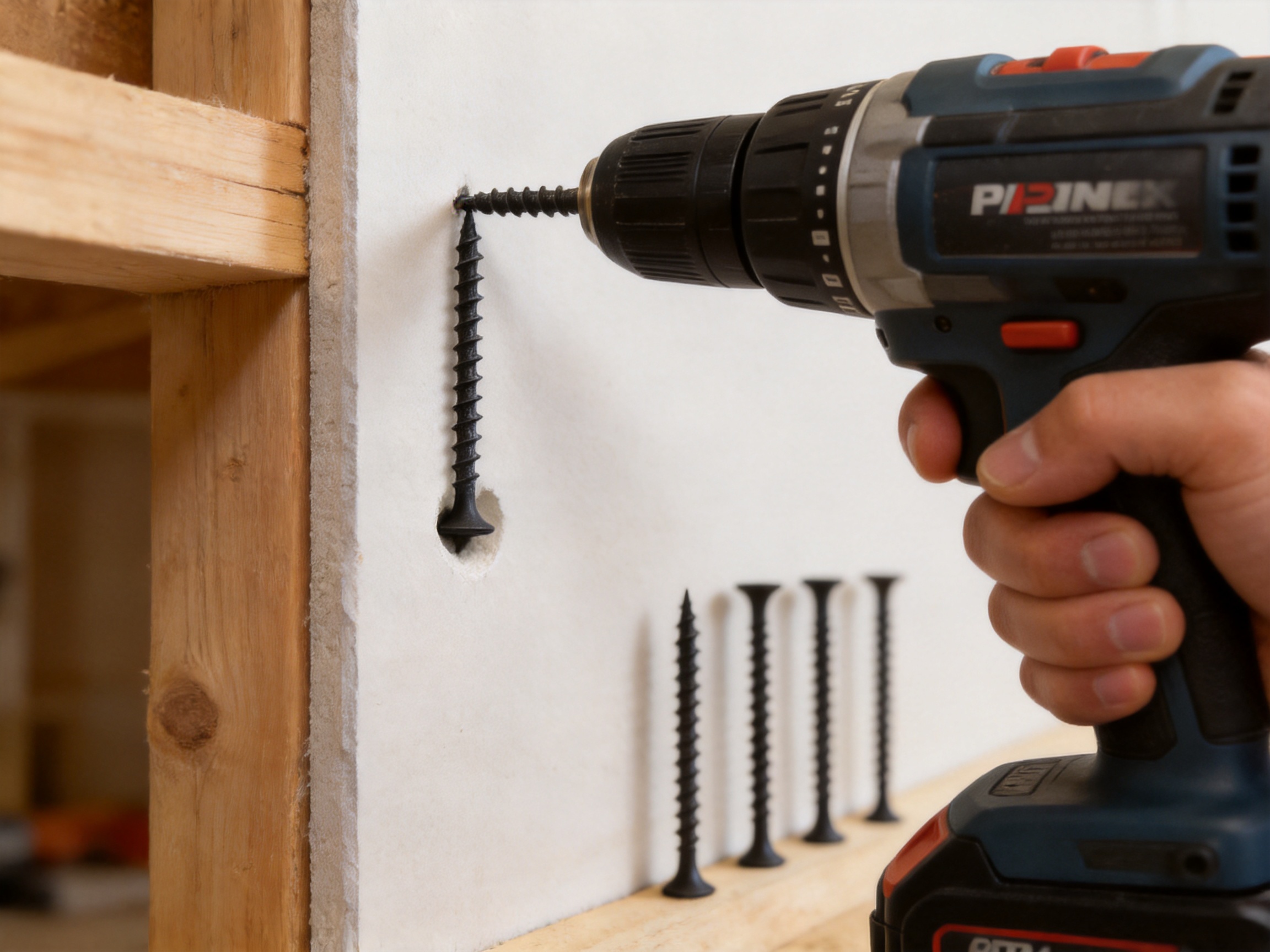
Set the tool clutch or depth-control mechanism to prevent overdriving. The screw head should generally sit slightly below the board surface without breaking through the paper face. Excessive driving can weaken the holding area and create a difficult repair point.
Do not rely on a drywall screw for applications outside its intended design without technical confirmation. Drywall screws are not automatically suitable for structural framing, safety-critical assemblies, outdoor exposure, overhead load support, or high-corrosion environments.
For timber framing, a coarse-thread configuration may be appropriate when the board and supporting material are compatible. For metal framing, a fine-thread version may provide more suitable engagement. The precise choice should follow the framing manufacturer’s recommendations and local construction practices.
Store screws in a clean, dry environment. Moisture, condensation, chemicals, and direct exposure to weather can affect the surface finish and may lead to corrosion before installation. Open cartons should be resealed when possible, particularly in humid areas.
Purchasing and Customization Considerations
When requesting a quotation, buyers should provide a complete product description. A useful description may include “Ph2 bugle head drywall screw, C1022A, coarse thread, black phosphate, diameter, length, quantity, and packaging format.” If a standard or customer drawing applies, it should be supplied with the inquiry.
Buyers should also clarify whether the order requires a specific tolerance, hardness range, corrosion test, surface coefficient, packing quantity, barcode, carton mark, private label, or inspection report. Early communication helps the manufacturer evaluate feasibility and avoid changes after production has started.
Samples are useful for confirming head appearance, recess fit, thread behavior, coating color, and packaging presentation. For larger programs, buyers may wish to conduct installation trials using the actual board, framing, driver, and bits used in the field.
Order planning should consider the product’s multiple variations. Similar-looking screws can have different thread types, lengths, or finishes. Separate item codes and clear carton labels reduce the risk of warehouse mixing and field substitution.
Lizhan Hardware Co., Ltd. can be approached for drywall screws as well as other product categories, including sheet metal screws, self-drilling screws, roofing screws, furniture screws, fasteners, and related hardware. This broad offering may be helpful to construction-material importers, hardware distributors, furniture suppliers, and industrial purchasing teams.
Packaging and Supply Advantages
Packaging affects both product protection and commercial usability. Bulk packaging may be suitable for contractors and industrial users who consume large quantities. Smaller retail-ready packs may be more suitable for hardware stores, e-commerce channels, and service contractors who need clear quantity control.
Packaging should prevent unnecessary movement that could damage the black phosphate coating or deform the recess. Moisture-resistant inner packaging can be considered for long-distance shipping or humid distribution environments. Cartons should be strong enough to withstand stacking and routine warehouse handling.
Label information should be easy to read and consistent with the purchase order. Recommended information includes product name, drive, head type, diameter, length, thread, coating, material where relevant, quantity, batch or lot reference, and country of origin information required by the destination market.
The listed China factory and Thailand warehouse locations may support different supply arrangements. A buyer can discuss production origin, available stock, consolidation, shipment scheduling, and destination requirements with the supplier. Logistics planning should be confirmed individually because warehouse inventory and shipping options can change.
Industries and Typical Users
Drywall contractors are the most direct users of this product. They require screws that drive quickly, seat cleanly, and remain available in standard sizes. A reliable screw can help reduce interruptions during board installation and finishing preparation.
Building-material distributors can stock several sizes, thread types, and finishes to serve residential renovation, commercial construction, and maintenance customers. The broad production range supports a structured product family rather than isolated items.
Furniture and interior-fit-out manufacturers may use related screw products from the same supplier, although the exact fastening requirements differ from drywall installation. For these users, consistent communication and consolidated sourcing can be more important than using one identical screw for every application.
Hardware retailers benefit from recognizable specifications and clear packaging. The Ph2 drive and bugle-head description are familiar to many customers, while the available coating and size information helps staff recommend the correct item.
Maintenance teams and renovation professionals may value smaller packs and mixed-size purchasing. They can select short screws for single-board repairs and longer screws for layered boards or special assemblies, provided the substrate and required penetration are suitable.
Questions and Answers
What is a Ph2 bugle head drywall screw?
It is a drywall-oriented fastener with a Phillips No. 2 drive and a curved bugle-shaped head. The head is designed to support controlled recessed installation in gypsum board when the screw is driven with a suitable tool and depth setting.
What material is used for this product?
The listed material is C1022A carbon steel. The final performance depends on the complete manufacturing process, including forming, any required heat treatment, finishing, and inspection.
What sizes are available?
The stated diameter range is #6-3.5, #8-4.2, #10-4.8, #12-5.5, and #14-6.3. Lengths range from 1/2 inch to 5 inches, or approximately 13 mm to 152 mm.
Is the product available with coarse and fine threads?
Yes. The production range includes both coarse-thread and fine-thread versions. Coarse thread is commonly considered for timber or similar substrates, while fine thread may be selected for metal framing, subject to the project requirements.
Why choose black phosphate?
Black phosphate provides a dark, low-reflective appearance and is commonly used for interior drywall applications. It may also provide a degree of surface protection, but it should not be treated as a universal substitute for specialized corrosion-resistant coatings.
Are other finishes available?
Yes. The listed options include zinc plated, yellow zinc plated, Dacromet, Ruspert, and Magni, in addition to black phosphate. The appropriate option depends on the environment, appearance, corrosion requirement, and customer specification.
Can the screw be supplied with another drive?
The wider production range lists Phillips, square, and Torx recess options. Buyers should confirm the requested drive, size, tooling compatibility, and order quantity before production.
What should be checked before placing an order?
Confirm the diameter, length, head type, drive, thread, material, surface finish, quantity, packaging, labeling, inspection requirements, and delivery location. Samples or installation trials may be useful for larger projects.
Can this screw be used outdoors?
The application depends on the selected coating and exposure conditions. Black phosphate is commonly associated with interior use. Outdoor or corrosive environments require careful coating selection and confirmation of the required corrosion performance.
How should the screw be installed?
Use a suitable Ph2 bit, keep the driver aligned with the screw, and control the driving depth so that the bugle head sits slightly below the board surface without breaking through the paper face. The substrate and local installation requirements should always be considered.
What manufacturing capabilities support the product?
The product range reflects capabilities covering screw forming, drive production, thread options, multiple diameters and lengths, surface treatment choices, sorting, packaging, and supply coordination. Buyers should request specific process and inspection details for their order.
What makes the supplier useful for larger buyers?
The company offers a broad fastener portfolio, multiple surface options, China manufacturing and Thailand warehouse locations, and several communication channels. These capabilities may help distributors and importers consolidate purchases and coordinate product details more efficiently.
Conclusion
Ph2 bugle head drywall screws with black phosphate coating and coarse thread provide a practical solution for many interior gypsum-board fastening applications. Their value comes from the combination of a familiar Phillips drive, drywall-compatible bugle head, carbon-steel construction, coarse-thread engagement, broad dimensional range, and a finish suited to many indoor environments.
The product is also supported by a wider manufacturing program that includes fine-thread versions, alternative drives, additional surface treatments, and related screw categories. This gives buyers greater flexibility than a single fixed specification and can simplify sourcing for distributors, contractors, furniture suppliers, and construction-material importers.
Manufacturing quality remains central. Consistent wire, controlled heading, accurate recess forming, stable thread rolling, suitable heat treatment, uniform coating, careful sorting, and protective packaging all contribute to the final installation experience. Buyers should evaluate the complete supply process rather than focusing only on unit price.
With a China factory, a Thailand warehouse location, broad fastener coverage, and multiple customer-contact channels, Lizhan Hardware Co., Ltd. is positioned to support both standard and customized screw programs. Final specifications, testing, packaging, stock, and delivery arrangements should be confirmed directly for each project.
References
1. General fastener engineering principles for carbon-steel screw forming, thread rolling, drive design, and dimensional inspection.
2. Gypsum-board installation practice concerning screw spacing, recessed head seating, board-face protection, and joint finishing.
3. Industrial surface-treatment principles covering phosphate coatings, zinc coatings, corrosion protection, coating adhesion, and finish inspection.
4. Carbon-steel fastener material guidance concerning cold heading, heat treatment, hardness, toughness, and torsional performance.
5. Product specification information supplied for Ph2 bugle head drywall screws, including dimensions, C1022A material, thread options, drive options, and surface finishes.
6. Supplier information supplied for Lizhan Hardware Co., Ltd., including product categories, manufacturing location, warehouse location, and customer-contact details.