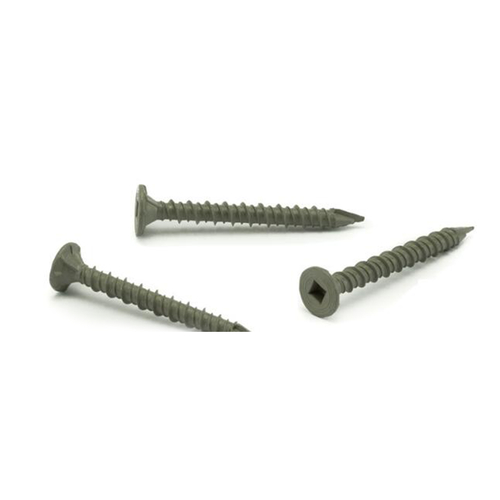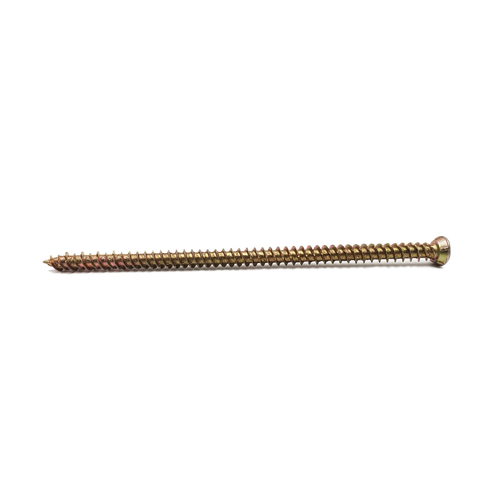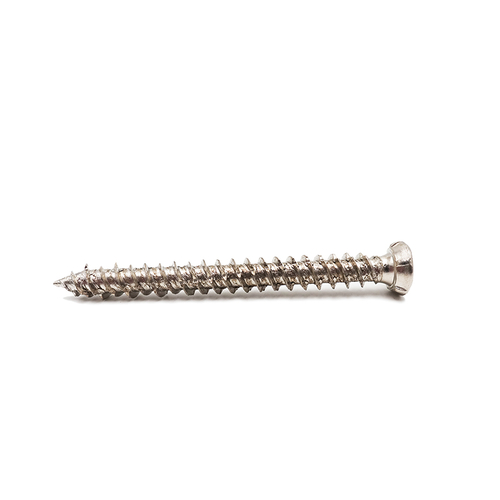
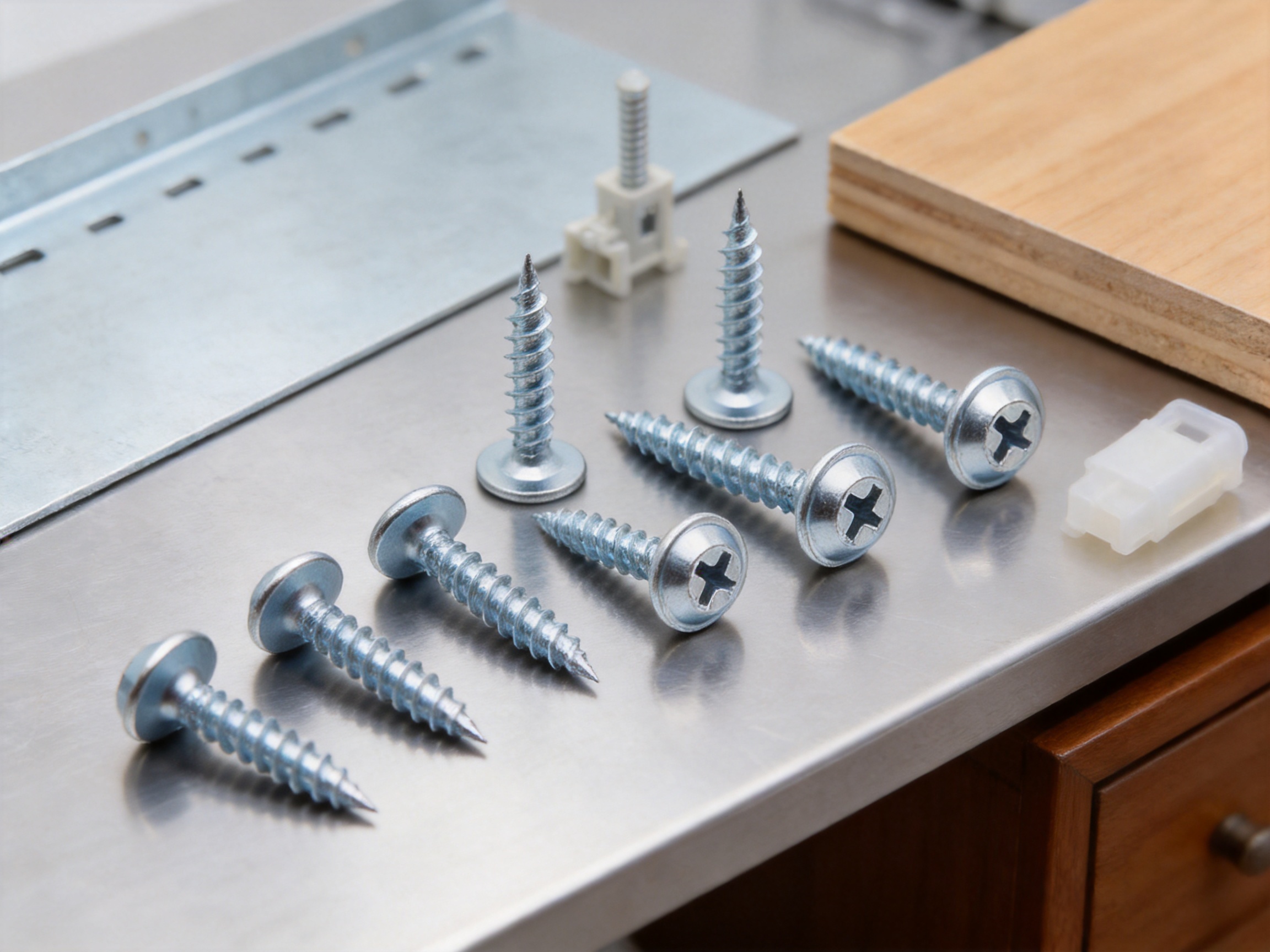
Phillips wafer head self-tapping screws are compact fastening components designed to create their own mating thread as they are driven into a prepared material. Their broad, low-profile wafer head provides a large bearing surface, while the Phillips recess enables installation with widely available cross-head driving tools. When supplied in blue-white zinc plating, these screws also combine a clean metallic appearance with improved resistance to ordinary indoor corrosion.
This type of screws is especially useful in drywall work, light-gauge metal assembly, furniture production, hardware installation, interior construction, packaging equipment, and many custom fastening applications. The product described in this article is manufactured from C1022A carbon steel and can be produced with Phillips, square, or Torx recesses, several diameters, multiple lengths, fine or coarse threads, and a variety of surface treatments.
Unlike a standard catalog screws intended for only one narrow application, a non-standard wafer head self-tapping screws can be adapted to a buyer’s drawings, assembly method, coating requirements, packaging format, and target market. This flexibility is valuable for wholesalers, distributors, furniture manufacturers, construction suppliers, and original equipment manufacturers that require consistent parts but do not want to be limited by a single standard configuration.
What Is a Phillips Wafer Head Self-Tapping Screw?
A self-tapping screws is a threaded fastener capable of forming or cutting a mating thread in the material into which it is installed. Depending on the point geometry and thread design, the screws may displace material, cut a thread, or create a usable thread in thin sheet metal, wood-based panels, plastic, drywall track, and other relatively soft or thin substrates.
The Phillips wafer head version combines four principal features: a Phillips drive recess, a wafer-style head, a self-tapping thread, and a protective surface finish. Each feature affects installation speed, holding performance, appearance, tool compatibility, and resistance to environmental exposure.
The Phillips recess is shaped to accept a cross-point driver. It is one of the most widely recognized drive systems in the fastening industry, which means installers can often use tools already present on a jobsite or production line. The wafer head is wider than a conventional pan head and has a relatively low profile. Its larger diameter distributes clamping pressure across a broader area and helps the fastener sit securely against thin materials.
The self-tapping thread allows the screws to engage the workpiece without requiring a pre-formed internal thread. In many applications, this reduces the number of operations required during assembly. The correct point and thread combination remains essential, however. A self-tapping screws should be selected according to the substrate, material thickness, pilot-hole practice, torque, and expected service load.
Core Product Specifications
The product range is designed to accommodate different assembly conditions rather than a single fixed size. The listed diameters include #6, #8, #10, #12, and #14, corresponding approximately to 3.5 mm, 4.2 mm, 4.8 mm, 5.5 mm, and 6.3 mm respectively. Lengths can range from 3/8 inch to 3 inches, or approximately 9.5 mm to 75 mm.
| Feature | Available or stated specification | Practical significance |
|---|---|---|
| Product type | Phillips wafer head self-tapping screws | Suitable for fastening thin materials and assemblies requiring a broad, low-profile head |
| Material | C1022A carbon steel | Provides a useful balance of strength, formability, machinability, and cost |
| Drive recess | Phillips; square and Torx also available in the production range | Allows compatibility with different installation tools and torque requirements |
| Head style | Wafer head | Creates a broad bearing surface with a relatively low head profile |
| Diameter range | #6-3.5, #8-4.2, #10-4.8, #12-5.5, #14-6.3 | Supports light-duty through higher-clamping applications within the intended product category |
| Length range | 3/8 inch to 3 inches; approximately 9.5 mm to 75 mm | Supports different panel thicknesses, overlap conditions, and grip requirements |
| Thread options | Fine thread and coarse thread | Permits selection according to substrate and required engagement behavior |
| Surface treatments | Blue-white zinc, zinc, yellow zinc, black phosphate, Dacromet, Ruspert, and Magni options | Supports different appearance, corrosion-resistance, and project requirements |
| Customization | Non-standard configurations available | Useful for OEM drawings, special dimensions, packaging, and application-specific requirements |
The exact screws configuration should be confirmed before production. Diameter, length, point style, thread pitch, recess depth, head diameter, plating thickness, and packaging quantity can all influence field performance. A reliable supplier should be able to review drawings, samples, or application information before finalizing the production specification.

Phillips wafer head self tapping screws non-standard bule white zinc plated
Advantages of the Wafer Head Design
The wafer head is one of the main reasons this screws is selected for thin-material fastening. Its broad underside spreads the clamping force over a larger contact area than a narrow countersunk or small pan head. This can help reduce localized deformation in thin sheet, plastic components, drywall accessories, and lightweight panels.
A broad head can also improve retention when the screws passes through an oversized clearance hole or a soft facing layer. For example, in a light-gauge assembly, a narrow head may pull through the outer component when excessive torque is applied. A properly proportioned wafer head offers a wider support area and can reduce that risk, provided the substrate and installation torque are suitable.
The low-profile form is useful where a projecting head would interfere with a neighboring component, sliding part, decorative cover, or finishing operation. It does not necessarily produce a completely flush surface, because a wafer head remains visible above the material. Its advantage is instead a combination of low projection, broad bearing area, and straightforward installation.
Wafer heads are also suitable for applications where the fastener must hold a thin material firmly without requiring a large countersink. Countersinking can weaken thin materials, complicate production, or require an additional machining step. A wafer head can often be installed directly against the surface, reducing preparation requirements.
Phillips Drive Performance and Tool Compatibility
The Phillips drive remains popular because of its broad availability. Hand screwsdrivers, power-driver bits, automated screws-feeding systems, and common maintenance tools are widely available in compatible sizes. This makes the fastener convenient for construction crews, furniture assemblers, repair technicians, and production operators.
Correct bit selection is important. The driver must match the recess size and should be fully seated before torque is applied. A worn, undersized, or contaminated bit can cause cam-out, recess damage, inconsistent seating, and reduced production efficiency. In repetitive installation, using fresh or properly maintained bits is a simple way to improve the reliability of the fastening process.
Phillips recesses are generally familiar and economical, but they require disciplined torque control. If an assembly line requires unusually high driving torque, frequent reverse operation, or automated high-speed installation, a square or Torx recess may be considered. The production range includes these alternatives, allowing the supplier to provide a drive style more closely matched to the customer’s equipment.
A square or Torx drive may offer improved bit engagement in some high-volume applications, while Phillips may provide the best balance of cost, availability, and market acceptance. The best choice depends on the buyer’s tools, operator practices, required torque, regional preferences, and final product design. Offering multiple recess options is an advantage over suppliers limited to one fixed drive pattern.
Material Selection: Why C1022A Carbon Steel Is Used
C1022A is a commonly used carbon steel grade for screws and other cold-formed fasteners. It is selected because it offers a practical combination of mechanical performance, forming behavior, machinability, and commercial availability. For general self-tapping applications, the material can support the production of a consistent thread and head while maintaining a competitive unit cost.
The steel must be processed correctly to achieve reliable results. Wire preparation, heading, thread rolling, heat treatment where required, cleaning, coating, and inspection all affect the final product. A suitable steel grade alone does not guarantee quality; the entire manufacturing route must be controlled.
For a screws used in drywall, furniture, light-gauge metal, and general hardware applications, C1022A can provide the strength needed for normal installation and service when the dimensions and heat-treatment condition are correctly selected. The final performance should always be evaluated against the required application, especially when the screws will carry structural loads, experience vibration, or be exposed to severe weather.
Material traceability is also important for professional purchasing. Lot identification, raw-material records, production records, and inspection results help a buyer investigate any issue and maintain consistent quality across repeated orders. A manufacturer serving export markets should be prepared to discuss the applicable material documentation and inspection requirements before production.
Fine Thread and Coarse Thread Options
Thread selection has a direct relationship with the material being fastened. Coarse threads generally provide deeper thread engagement and are often selected for softer materials, wood-based boards, drywall-related assemblies, and applications where rapid driving is important. The larger thread spacing can also help clear loose material during installation.
Fine threads have more threads per unit length and may be suitable for thinner metal sections or applications where the mating material can support a finer engagement pattern. They can provide controlled engagement in certain light-gauge metal assemblies, although the appropriate choice depends on material thickness and the screws’s point geometry.
A screws that is too coarse for a thin metal substrate may not form the desired thread cleanly. A screws that is too fine for a soft panel may not provide the best pull-out resistance. Buyers should therefore identify the substrate, thickness, pilot-hole condition, expected pull-out force, and installation speed before selecting a thread type.
For non-standard orders, a technical drawing should specify the thread form, pitch, threaded length, unthreaded portion if any, and point style. If the screws will be used in more than one material, practical installation trials are recommended before a large production run is released.
Blue-White Zinc Plating and Surface Protection
Blue-white zinc plating is widely used when a bright, relatively clean metallic appearance is desired together with improved protection against ordinary indoor corrosion. The zinc layer acts as a sacrificial coating, helping protect the underlying steel when the coating remains intact and is correctly processed.
The blue-white appearance is often chosen for interior construction products, furniture hardware, general repair items, and packaged fasteners where a bright silver-blue finish is more suitable than black phosphate or yellow zinc. It can also support visual consistency when the screws is installed near galvanized or light-colored hardware.
Surface treatment should be selected according to the environment. Indoor dry applications generally place less demand on the coating than outdoor, humid, coastal, industrial, or chemically aggressive environments. For more demanding conditions, options such as Dacromet, Ruspert, Magni, or another specified corrosion-resistant system may be considered, subject to the required performance and applicable testing.
Coating choice affects more than appearance. It can influence friction, driving torque, thread fit, storage life, corrosion resistance, and compatibility with the installation process. A coating that is suitable for one application may not be suitable for another. For example, a buyer may require a specific coating thickness, salt-spray target, color range, environmental restriction, or torque-tension relationship.
Professional procurement should define the coating by name and by measurable requirements where necessary. These may include coating type, appearance, thickness, corrosion test method, permitted white corrosion, permitted red rust, adhesion, and packaging conditions. The supplier and buyer should agree on the inspection method before mass production.
Comparison with Other Common Screw Types
A wafer head self-tapping screws differs from a standard pan head screws mainly in head geometry and bearing area. A pan head is often more rounded and may have a smaller bearing diameter. A wafer head is broader and flatter, which can be advantageous for thin materials and low-profile assemblies.
Compared with a countersunk screws, the wafer head usually requires less countersinking preparation. A countersunk screws is selected when a flush surface is essential, but the countersink operation can reduce material thickness or increase manufacturing time. The wafer head is often the more efficient choice when a low-profile but visible head is acceptable.
Compared with a self-drilling screws, a self-tapping screws may require a pilot hole or a pre-punched opening depending on the substrate and point design. A self-drilling screws includes a drilling point intended to create its own hole in certain metal sections. The two products should not be treated as interchangeable without testing, because the installation process, point geometry, drilling capacity, and final thread engagement are different.
Compared with a drywall screws, a wafer head self-tapping screws may offer a different balance of head diameter, thread design, point style, and surface finish. The product can be categorized for drywall-related use, but the correct configuration depends on whether it is fastening drywall board, metal track, wood framing, accessory components, or another material.
| Fastener type | Main head or point characteristic | Typical selection reason | Important limitation |
|---|---|---|---|
| Wafer head self-tapping screws | Broad, low-profile head with tapping thread | Thin-material fastening, broad bearing area, common installation tools | Requires correct substrate, torque, and point selection |
| Pan head screws | Rounded head with general-purpose bearing area | General assembly and hardware applications | May provide less bearing area than a wafer head of similar drive size |
| Countersunk screws | Angled underside intended to sit flush | Applications requiring a flush surface | May require countersinking and can weaken thin materials |
| Self-drilling screws | Drill-shaped point | Driving directly into certain metal thicknesses | Not necessary for every application and may be excessive for pre-punched holes |
| Drywall screws | Often designed for board and framing systems | Drywall and interior construction assemblies | Configuration may not suit metal, plastic, or furniture applications without verification |
Manufacturing Process and Quality Control
The quality of a finished screws depends on a connected series of operations. A capable manufacturer does not treat forming, threading, coating, and packing as isolated activities. Each stage must support the next stage, and process records should allow the finished lot to be traced back to its production conditions.
Raw Material Preparation
Production begins with suitable carbon-steel wire. The wire is checked for diameter, surface condition, chemical composition where required, and general suitability for cold heading and thread production. Proper preparation helps reduce surface defects, inconsistent head formation, and variation in the final dimensions.
Wire may be cleaned, drawn, or otherwise prepared to meet the dimensional and forming requirements of the screws design. For non-standard products, the wire size and process route may need to be adjusted because head diameter, recess depth, thread dimensions, and point shape affect the amount of material displaced during forming.
Cold Heading and Head Formation
Cold heading forms the screws head by forcing a measured length of wire into a die. The process can create the wafer profile, underside geometry, and general head dimensions with high production efficiency. Correct die design is essential because the wafer head must be formed evenly without cracks, folds, excessive flash, or an incomplete bearing surface.
Non-standard parts may require special tooling. Tooling design must account for head diameter, head height, drive recess, fillet areas, and the transition between the shank and head. A carefully designed die can improve consistency and reduce material waste, especially during repeated production.
Phillips Recess Formation
The Phillips recess is formed by pressing an appropriate punch into the head. Recess depth, arm shape, symmetry, and bottom condition affect driver engagement. A recess that is too shallow may cause poor bit seating, while one that is too deep can reduce head strength or create dimensional problems.
Tool wear must be monitored because recess punches experience repeated impact and can gradually change shape. Regular inspection helps maintain consistent drive performance. When the buyer requests a square or Torx recess instead, the punch and quality criteria change, but the same principle applies: the drive must be accurately formed and compatible with the specified bit.
Thread Rolling
Thread rolling forms the external thread by pressing the screws blank between dies. Unlike cutting a thread from the surface, rolling displaces material and can produce a continuous thread profile with efficient use of the steel. The process requires accurate control of blank diameter, die alignment, thread dimensions, and rolling pressure.
Thread rolling is particularly valuable for high-volume screws production because it can provide repeatability and high output. The thread crest, root, flank angle, pitch, and threaded length should be inspected according to the product drawing. A thread ring gauge, optical measurement, or other suitable method may be used depending on the quality plan.
Point Formation
The point determines how the screws begins engagement with the substrate. A tapping point, sharp point, or other specified geometry can influence starting torque, hole formation, thread creation, and the risk of splitting or deformation. For non-standard screws, the point should be selected from actual application conditions rather than copied from an unrelated product.
Point symmetry is important. An uneven point can cause the screws to wander, start at an angle, or create an inconsistent hole. Inspection may include visual checks, dimensional measurement, and installation trials in representative materials.
Heat Treatment and Mechanical Control
Depending on the required performance and product specification, heat treatment may be applied to improve hardness and strength. The process must be controlled carefully because excessive hardness can increase brittleness, while insufficient hardness may lead to thread stripping, point deformation, or drive failure.
Heat-treatment records, hardness checks, torque testing, and installation testing can help verify that the screws is suitable for its intended use. Buyers requiring a defined mechanical class or performance target should identify those requirements before production begins.
Cleaning, Plating, and Finishing
Before plating, screws are cleaned to remove oil, scale, residues, and other contaminants. Effective pretreatment promotes coating adhesion and helps produce a more uniform appearance. The screws are then processed through the specified surface-treatment system, such as blue-white zinc plating or another available finish.
After plating, the parts are dried, inspected, and handled in a manner that minimizes damage. Excessive bulk handling can cause scratches, dents, or coating damage. Proper process control is particularly important for small screws because their large surface-area-to-weight ratio makes coating uniformity and handling efficiency significant quality factors.
Final Inspection and Packing
Final inspection may include checks of dimensions, head shape, drive recess, thread quality, point condition, appearance, coating, quantity, and packaging. Samples may be taken from production lots according to an agreed inspection plan. Critical dimensions should be measured with calibrated tools or suitable gauges.
Packaging is more than a shipping convenience. It protects the finish, preserves lot identification, supports inventory control, and presents the product professionally to distributors and end users. Screws can be packed in bulk cartons, small boxes, bags, labeled retail packaging, or customer-specific quantities. Export buyers may also request barcode labels, bilingual markings, pallet standards, or special carton configurations.

Manufacturing Strengths and Supply Advantages
Lizhan Hardware Co., Ltd. is positioned as a screws manufacturer and supplier serving domestic and international customers. Its product range includes self-drilling screws, drywall screws, roofing screws, furniture screws, and other hardware products. This broader product capability can be useful to buyers that want to consolidate several screws categories with one supplier.
The company operates a China factory in Haiyan, Jiaxing City, Zhejiang, and maintains a Thailand warehouse in Chonburi. A manufacturing location and a regional warehouse can support different parts of the supply chain: production capacity and customization from the factory, together with potentially more convenient regional distribution for customers served through Thailand.
For a buyer, the value of this arrangement depends on order size, destination, stock availability, labeling needs, and agreed logistics terms. It is advisable to confirm whether a specific product is made to order or held in warehouse stock, as well as the applicable lead time, minimum order quantity, inspection arrangement, and shipment method.
The company’s ability to offer several recesses, diameters, lengths, threads, and surface finishes is an important advantage for non-standard projects. Instead of forcing a customer to redesign an assembly around a standard part, a flexible factory can review the application and develop a more suitable configuration. This may reduce adaptation costs and simplify purchasing for OEM programs.
Another advantage is category breadth. A customer sourcing wafer head tapping screws may also need drywall screws, furniture screws, roofing fasteners, or self-drilling screws for the same project or distribution channel. A supplier with multiple product families can help coordinate specifications, packaging, production schedules, and documentation across a broader purchase order.
Manufacturing strength should ultimately be evaluated through evidence. Buyers may request product drawings, samples, material information, coating specifications, inspection reports, production photographs, packaging details, and references relevant to the intended application. A clear technical discussion before ordering is one of the best ways to distinguish a capable supplier from a purely trading-based source.
Applications for the Product
Drywall and Interior Construction
The screws can be used in selected drywall-related applications where a broad, low-profile head and suitable tapping thread are required. It may be useful for attaching light-gauge metal accessories, brackets, tracks, trims, or other components. The exact design should be chosen according to whether the screws enters metal, wood, gypsum-based material, or a combination of substrates.
Installers should avoid assuming that every wafer head tapping screws is suitable for every drywall system. Board thickness, metal gauge, framing material, fire-rated assembly requirements, and local building specifications may affect fastener selection. Where the fastener forms part of a regulated construction system, the project’s engineering and compliance requirements take priority.
Furniture and Cabinet Assembly
Furniture manufacturers often value screws that install rapidly, provide stable clamping, and remain visually acceptable. A blue-white zinc finish can suit light-colored metal fittings and interior products. The wafer head may hold brackets, thin plates, corner components, and hardware pieces without requiring a large countersunk recess.
For furniture production, the screws length must be selected carefully to prevent breakthrough on visible surfaces. Pilot holes, driver torque, screws spacing, and substrate density should be standardized on the production line. Fine or coarse thread selection may vary between solid wood, particleboard, medium-density fiberboard, thin metal, and plastic components.
Light-Gauge Metal Assembly
Self-tapping screws are often used to join thin metal sections, brackets, frames, panels, and enclosures. The correct point and thread can create a mating thread in a pre-punched or drilled hole. The broad wafer head can help retain thin sheet components and distribute clamping force around the hole.
Metal thickness is a critical factor. If the material is too thick for the selected screws, installation may be slow or incomplete. If the material is too thin, the thread may have insufficient engagement. Samples should be tested for driving torque, strip-out torque, pull-out behavior, head seating, and resistance to loosening when vibration is expected.
General Hardware and Repair
The familiar Phillips drive and broad head make this screws suitable for many general hardware applications. It can be supplied in assorted sizes for maintenance departments, hardware stores, construction distributors, and repair kits. Clear labeling of diameter, length, coating, and thread type helps users select the appropriate item quickly.
Packaging Equipment and Light Industrial Products
Packaging machinery, display fixtures, storage systems, and light industrial products often contain thin sheet components and covers that do not require heavy structural bolts. A self-tapping screws can reduce the need for a separate nut or tapped insert in suitable materials. The low head can also help minimize interference with covers and moving parts.
Installation Recommendations
Before installation, verify the screws size, thread type, point style, drive bit, and substrate. The fastener should be aligned perpendicular to the work surface unless the design specifically permits another angle. Misalignment can damage the recess, enlarge the hole, or reduce the effective bearing area beneath the head.
Use a driver bit that fits the Phillips recess completely. Apply sufficient axial pressure to keep the bit seated, especially during the first part of driving. Excessive pressure should be avoided because it can damage the workpiece or cause the bit to slip unexpectedly.
Set the driver torque and speed according to the material and screws size. The goal is to achieve firm seating without stripping the thread, crushing the substrate, deforming the wafer head, or damaging the plating. Production lines should use periodic torque checks and sample audits to identify tool wear or process drift.
When a pilot hole is required, its diameter should be established through engineering guidance or practical testing. A hole that is too small can increase installation torque and cause breakage. A hole that is too large can reduce thread engagement and pull-out resistance. The correct size depends on the substrate, screws geometry, and required performance.
Do not use a Phillips wafer head self-tapping screws as a substitute for a structural fastener unless its mechanical capacity has been specifically verified. The product is intended primarily for general fastening and light to moderate assembly applications. Loads, vibration, temperature, corrosion exposure, and safety requirements should be reviewed before use in critical assemblies.
How This Product Can Compete Effectively
Competition in the screws market is not based only on the lowest unit price. Buyers also consider dimensional consistency, coating reliability, production flexibility, delivery performance, packaging quality, communication, and the supplier’s ability to solve application problems.
This product can compete through its adaptable specification. The combination of several diameters, lengths, thread choices, drive recesses, and finishes allows the supplier to serve different market segments. A customer can order a familiar Phillips version for general distribution while also requesting Torx or square versions for a specialized assembly line.
The wafer head itself provides a functional point of differentiation. It is not simply a cosmetic variation of a pan head. Its broad bearing surface and low profile can solve practical problems in thin materials, light panels, brackets, and covers. When properly matched to the application, it may reduce the need for washers or secondary countersinking operations.
The choice of C1022A steel supports a cost-conscious product strategy while providing a suitable foundation for general self-tapping screws production. Combined with controlled forming, thread rolling, finishing, and inspection, the material can help deliver repeatable products at commercially useful volumes.
Surface-finish flexibility is another competitive factor. Buyers can select blue-white zinc for a clean indoor appearance, yellow zinc for a different visual and corrosion specification, black phosphate for selected drywall and interior uses, or more advanced coatings for more demanding environments. This allows one supplier to support several product lines without requiring a completely new sourcing relationship.
Finally, customization can create value that a standard product cannot. Special head dimensions, non-standard lengths, customer packaging, labeling, drive configurations, or thread requirements may allow the screws to fit an existing assembly more efficiently. The customer should provide accurate drawings and performance expectations so the supplier can quote the correct manufacturing route rather than only an approximate visual equivalent.

Purchasing Checklist for Distributors and OEM Buyers
When requesting a quotation, identify the screws as precisely as possible. State the drive type, head style, nominal diameter, length, thread type, point, material, surface finish, quantity, and packaging requirement. If the screws is described only as a “wafer head tapping screws,” different suppliers may quote parts with significantly different dimensions.
Provide a technical drawing whenever the product is non-standard. The drawing should show head diameter, head height, underside profile, recess dimensions, shank diameter, thread length, point length, overall length, and any tolerance requirements. A physical sample can supplement the drawing but should not replace dimensional documentation when accuracy is important.
Explain the application and substrate. A supplier can make a better recommendation when it knows whether the screws will enter drywall track, galvanized sheet, aluminum, wood, particleboard, plastic, or another material. Information about material thickness and installation equipment is equally valuable.
Specify the surface treatment in functional terms. If blue-white zinc is required, clarify the desired appearance and any corrosion-resistance expectation. If the screws will be used outdoors or in a humid environment, ask whether a different coating system is more appropriate. Do not assume that all zinc-plated screws provide the same performance.
Discuss inspection and documentation before placing the order. Potential requirements include certificates of conformity, material records, coating reports, dimensional inspection, hardness testing, torque testing, salt-spray testing, or customer-specific quality documentation. Agree on sampling, acceptable limits, and the handling of nonconforming parts in advance.
Confirm commercial and logistics details, including minimum order quantity, tooling charges for non-standard parts, sample lead time, mass-production lead time, packaging quantity, carton dimensions, warehouse availability, delivery location, and payment terms. These details can affect the actual landed cost more than a small difference in the quoted screws price.
Storage and Handling
Fasteners should be stored in a clean, dry, and reasonably ventilated area. Avoid direct exposure to rain, condensation, chemicals, and high humidity. Even a corrosion-resistant coating can be affected by prolonged moisture, especially when parts are packed tightly or exposed to contaminants.
Keep the original packaging intact when possible. Labels should remain readable so that diameter, length, finish, batch information, and quantity can be confirmed before use. Mixing different sizes or coatings in one unmarked container increases the risk of installation errors and inventory losses.
Handle plated screws carefully. Excessive dropping, scraping, or contact with sharp metal edges can damage the coating and expose the steel beneath. Where long-term storage is expected, the buyer should discuss packaging materials and corrosion-protection measures with the supplier.
Quality Problems to Watch For
Common dimensional problems include incorrect length, inconsistent head diameter, incomplete recess formation, thread variation, and point deformation. These defects can lead to poor driver engagement, uneven seating, installation delays, or reduced holding strength.
Surface-related problems may include uneven color, bare areas, excessive deposits, white corrosion, red rust, scratches, or poor coating adhesion. Appearance should be assessed according to an agreed sample or specification because acceptable variation can differ between industrial and retail applications.
Functional problems include excessive driving torque, premature cam-out, thread stripping, head breakage, failure to start, and insufficient pull-out resistance. These issues may result from incorrect material condition, unsuitable heat treatment, worn tooling, poor thread geometry, an incompatible coating, or a mismatch between the screws and substrate.
A strong quality program identifies defects at the earliest practical stage. Raw-material inspection, first-piece approval, in-process checks, tooling maintenance, coating control, final sampling, and installation testing work together to reduce the risk of receiving a lot that looks correct but performs poorly in use.
Frequently Asked Questions
What materials can these screws fasten?
They may be suitable for drywall-related components, light-gauge metal, wood-based panels, furniture parts, plastic components, and general hardware, depending on the exact thread and point. The material thickness and required load should be evaluated before selection.
What does “wafer head” mean?
A wafer head is a broad, relatively low-profile screws head with a large bearing surface. It is designed to spread clamping pressure over a wider area while keeping the head projection comparatively low.
Is blue-white zinc suitable for outdoor use?
Blue-white zinc plating is commonly selected for indoor and ordinary service conditions. Outdoor, coastal, constantly humid, or chemically aggressive environments may require a different coating or additional validation. The correct choice depends on the exposure and the required corrosion performance.
Why choose Phillips instead of Torx?
Phillips is widely recognized, economical, and compatible with common tools. Torx may provide stronger bit engagement in some automated or high-torque applications. The preferred drive depends on the buyer’s tools, production process, market expectations, and torque requirements.
Are square and Torx recesses available?
The stated production range includes Phillips, square, and Torx recess options. The buyer should confirm availability, minimum quantities, tooling requirements, and dimensional compatibility for the requested recess.
What diameters are available?
The listed range includes approximately 3.5 mm, 4.2 mm, 4.8 mm, 5.5 mm, and 6.3 mm nominal diameters, commonly identified as #6, #8, #10, #12, and #14.
What lengths are available?
The listed length range is approximately 9.5 mm to 75 mm, or 3/8 inch to 3 inches. Exact length availability should be confirmed for the selected diameter, thread, point, and head configuration.
Can the screws be manufactured to a customer drawing?
The product is identified as non-standard, and the available range supports customized specifications. A drawing or sample should be provided so the manufacturer can confirm tooling, tolerances, pricing, and production feasibility.
Is C1022A a stainless steel grade?
No. C1022A is a carbon-steel material used in many screws applications. It normally relies on suitable finishing and proper application selection for corrosion protection. It should not be represented as stainless steel.
What is the difference between fine and coarse thread?
Coarse thread has greater spacing and is often selected for softer materials or rapid engagement. Fine thread has closer spacing and may be suitable for certain thin-metal applications. The best choice depends on the substrate, thickness, pilot-hole condition, and required holding performance.
Can these screws replace self-drilling screws?
Not automatically. A self-drilling screws has a drill point designed to create a hole in appropriate metal sections. A self-tapping screws may require a pilot hole or pre-punched opening. The two products should be tested separately for the intended assembly.
How should the screws be installed?
Use the correct Phillips bit, maintain alignment, apply appropriate axial pressure, and control the driver torque and speed. Test the screws in the actual substrate before establishing production settings.
What information should be included in a quotation request?
Include the drive, head, diameter, length, thread, point, material, finish, quantity, packaging, application, substrate, inspection requirements, and delivery destination. A drawing is strongly recommended for non-standard products.
Where can buyers obtain product and sales support?
Product inquiries can be directed to Lizhan Hardware Co., Ltd. through its sales contacts. Buyers should request confirmation of current contact details, technical specifications, samples, lead times, and quality documentation before placing an order.
Conclusion
The Phillips wafer head self-tapping screws is a versatile fastening solution for applications that require a broad bearing surface, low-profile head, familiar drive system, and efficient thread engagement. Its available range of diameters, lengths, fine or coarse threads, drive recesses, and surface treatments makes it suitable for more than one market segment.
C1022A carbon steel provides a practical material base for general-purpose screws production, while blue-white zinc plating offers a clean appearance and improved protection for many indoor applications. For more demanding environments, alternative finishes such as Dacromet, Ruspert, Magni, zinc, yellow zinc, or black phosphate can be considered according to the project specification.
The product’s strongest competitive advantages are its adaptable design, broad application potential, common tooling compatibility, and suitability for non-standard manufacturing. These benefits become more valuable when supported by controlled cold heading, accurate recess forming, reliable thread rolling, appropriate point production, consistent finishing, final inspection, and protective packaging.
Lizhan Hardware Co., Ltd. offers this screws category alongside other screws and hardware products, with manufacturing in Zhejiang, China, and warehouse support in Thailand. For distributors and OEM customers, the most effective purchasing process is to provide complete technical information, conduct application testing, define coating and inspection expectations, and confirm logistics details before mass production.
References
1. ASTM International, Standard Specifications and Test Methods for Mechanical Fasteners and Carbon Steel Materials.
2. ISO, International Standards for Fastener Dimensions, Thread Forms, Tolerances, and Mechanical Properties.
3. IFI, Fastener Quality and Application Guidance for Industrial Screw Products.
4. Technical literature on cold heading, thread rolling, zinc plating, and corrosion protection for carbon-steel fasteners.
5. Manufacturer-provided product specifications for Phillips wafer head self-tapping screws, including C1022A material, available dimensions, thread options, drive recesses, and surface treatments.