For a 1/2-inch lag bolt, the recommended pilot hole size is 5/16 inch when driving into softwood, and 3/8 inch for denser hardwoods. This simple rule keeps the wood from splitting, prevents the bolt from seizing, and gives the threads enough material to bite. Getting the pilot hole right matters more than the bolt itself because it directly controls how strong the connection will be.
Why a Pilot Hole Matters for a 1/2-Inch Lag Bolt
A 1/2-inch lag bolt has a thick shank and coarse threads. Without a pilot hole, the wood fibers cannot move out of the way. The bolt forces its way in, causing splits, cracks, and a lot of wasted effort. A properly sized pilot hole removes just enough material so the bolt turns cleanly while still letting the threads grip the surrounding wood.
The pilot hole also keeps the bolt on a straight path. This matters when you are building a deck, a dock, or a structural frame where alignment affects load transfer. In dense hardwoods, the pilot hole reduces the risk of the bolt jamming or snapping halfway in. In softwoods, it prevents the wood from crushing near the surface.
Another practical benefit is torque control. If you are using a torque wrench or an impact driver, a pilot hole allows you to tighten the bolt to a consistent value without hitting a sudden stall point. That is particularly useful in situations where the bolt needs to be partially removable later.
Recommended Pilot Hole Sizes for a 1/2-Inch Lag Bolt
The exact pilot hole diameter depends on the wood species and its moisture content. The table below gives reliable starting points for most construction projects.
| Wood Type | Pilot Hole Diameter | Fractional Drill Bit | Drilling Notes |
|---|---|---|---|
| Softwood (pine, spruce, fir, cedar) | 5/16 inch (7.9 mm) | 5/16 in | For very soft wood, 15/64 in can work. |
| Hardwood (oak, maple, teak) | 3/8 inch (9.5 mm) | 3/8 in | Larger pilot prevents splitting in dense grain. |
| Very dense tropical hardwood (ipe, mahogany) | 13/32 inch (10.3 mm) | 13/32 in | Drill deep, then ream with a slightly larger bit. |
If the wood is dry and hard, lean toward the larger diameter. If the wood is green or saturated, use the smaller end of the range. A pilot hole that is too small causes splits; one that is too large loses pull-out strength.
How to Drill the Pilot Hole Correctly
Use a sharp brad-point bit or a twist drill bit. Mark the hole location with an awl. Drill perpendicular to the wood face and slightly deeper than the threaded portion of the bolt. A 1/2-inch lag bolt typically needs a pilot hole that extends at least half an inch beyond the shank length to avoid the bolt bottoming out.
- Select the correct bit size from the chart above and seat it fully in the drill chuck.
- Drill straight down while keeping the drill aligned with your mark. Avoid rocking the drill side to side.
- Clear the shavings as you drill, especially in deeper holes, to prevent the bit from binding.
- If you are fastening two pieces of wood, drill a clearance hole through the top board using a 1/2-inch bit, then drill the pilot hole into the bottom board.
- Countersink the rim if you are using a flat head lag bolt, so the head sits flush or slightly below the surface.
- After drilling, check that the bolt threads start freely by hand before applying a wrench.
In very long bolts, adding a little wax or soap to the threads reduces friction and makes installation smoother, especially in hardwoods.
Common Mistakes That Endanger the Connection
Even experienced builders sometimes make errors when choosing pilot holes for lag bolts. These are the issues that show up most often on job sites.
- Using a pilot hole that is too small near the edge of the board. This splits the wood 9 times out of 10.
- Using a pilot hole that is too large in softwood. The threads no longer have enough material to grip, so the bolt can turn and pull out under load.
- Stopping the pilot hole short. The bolt reaches the bottom of the hole and cannot be tightened fully, leaving a loose connection.
- Ignoring the moisture content. Dry wood is brittle and needs a slightly larger pilot; wet wood swells later and exerts extra pressure on the threads.
- Reusing a dull drill bit. A dull bit burns the wood and creates a rough hole, which reduces the quality of the grip.
Rule of thumb: if the pilot hole is 5/16 inch, the threads should still be tight enough that you need a wrench, but not so tight that you have to force the bolt with a cheater bar.
Choosing the Right Fastener for Woodwork
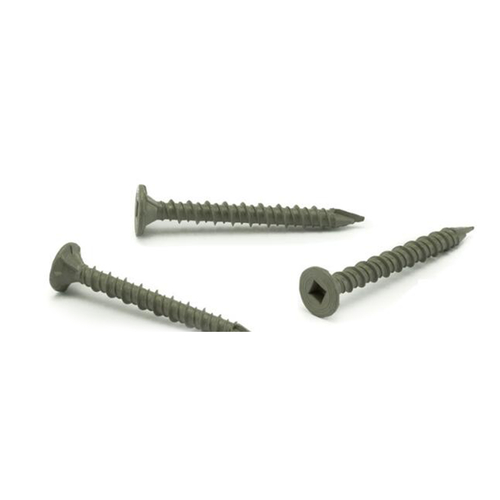
Lag bolts are ideal for heavy structural connections, but not every woodworking project needs that much bulk. For lighter loads, furniture assembly, deck boards, and trim work, specialized wood screws often perform better and install faster. You may find that a CSK Phillips head deck screws with nibs holds up well in outdoor decking without the extra step of drilling a 5/16-inch pilot hole.
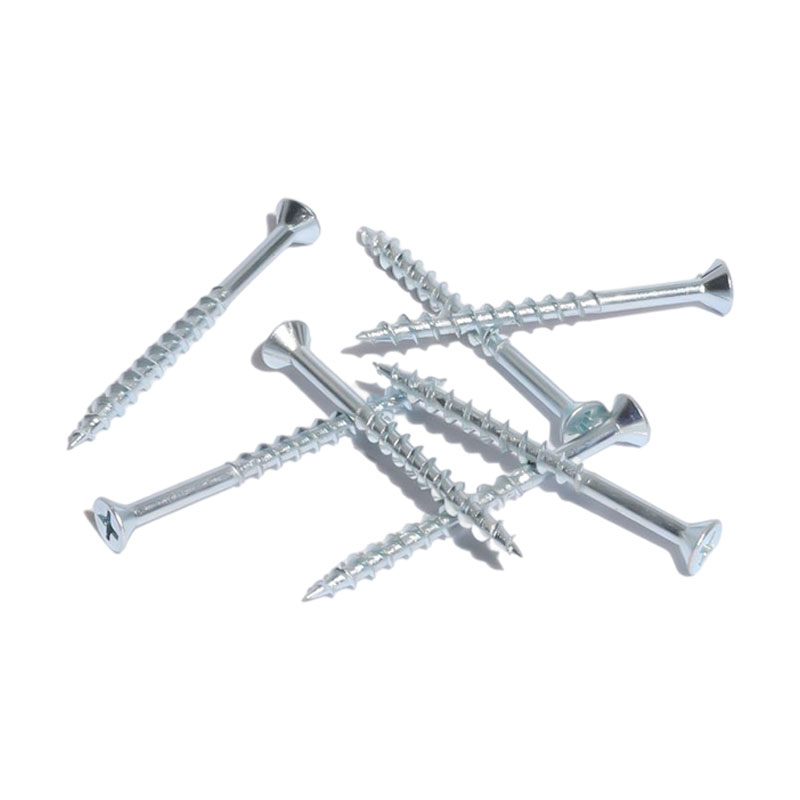 CSK Phillips Head Deck Screw with Nibs, Zinc PlatedThis countersunk deck screws features nibs under the head for clean countersinking and reduced splitting. Suitable for outdoor decking, it installs quickly without pre-drilling and offers corrosion resistance with a zinc plating.View Product →
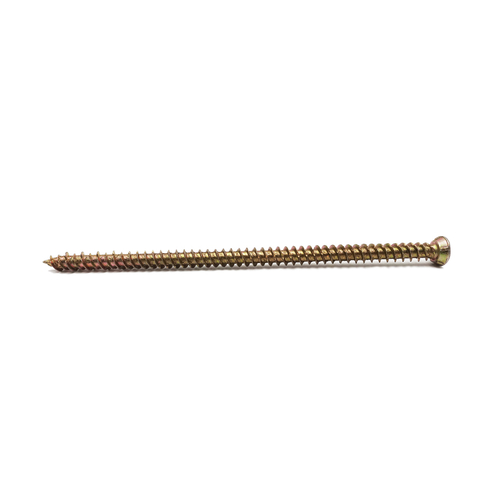
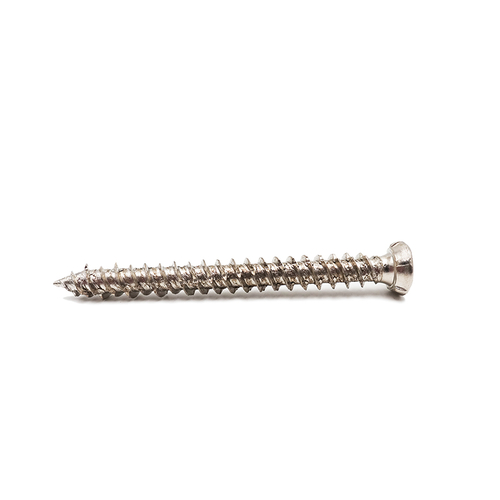
For indoor cabinetry and particleboard projects, a Pozi CSK head chipboard screws gives clean countersinking and strong pull-out resistance in manufactured wood. Choosing the correct screws type can save time and reduce callbacks, especially in high-volume production.
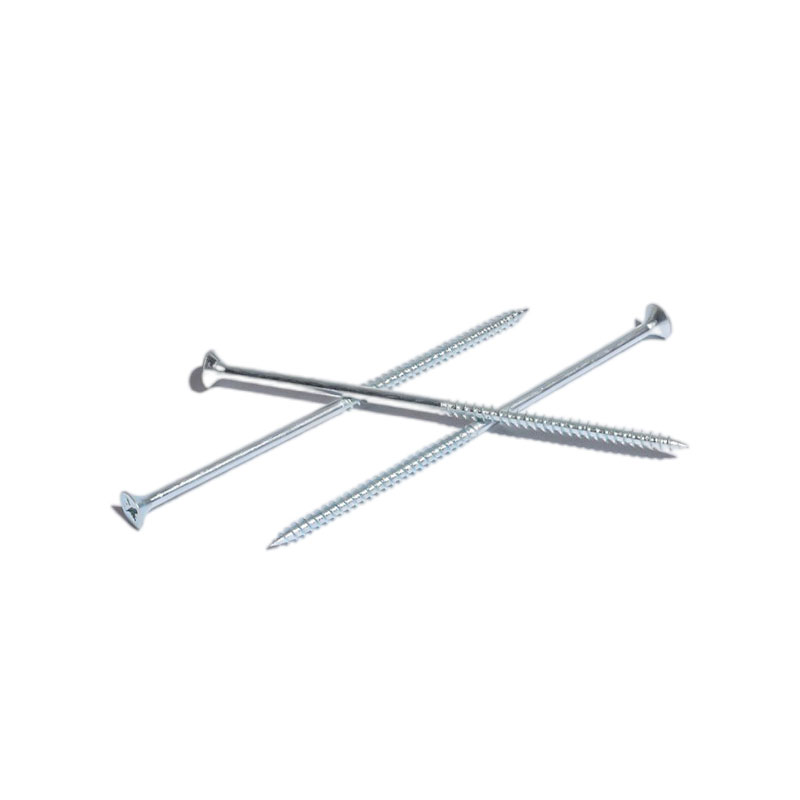 Pozi CSK Head Chipboard Screw, Zinc PlatedDesigned for particleboard and cabinetry, this countersunk screws with Pozi drive ensures a flush finish and strong pull-out resistance. Ideal for high-volume assembly and indoor woodworking projects.View Product →
If you need a broader overview of what is available, browse our full range of fasteners to compare thread designs and coatings. For a deeper technical read, our chipboard screws guide explains how thread geometry changes holding power.
Frequently Asked Questions
Q1: Can I use a 1/2-inch lag bolt without a pilot hole?
Not recommended. At this size, the bolt is thick enough to split most wood species. A pilot hole also reduces installation torque and makes the connection more predictable.
Q2: What if my pilot hole is too big?
The bolt will feel loose and may not hold its rated load. To recover, you can use a larger lag bolt or back out the bolt and insert a wooden plug with adhesive, then redrill at the proper diameter.
Q3: Should I lubricate the lag bolt when driving it?
A little wax or soap on the threads helps in hardwoods and reduces the chance of galling. Avoid grease or oil if the bolt will be near wood finishes, as it can stain the surface.
Q4: Does a 5/16-inch pilot hole work for both softwood and hardwood?
No. In hardwood, 5/16 inch is often too small and can cause splitting. Use 3/8 inch for standard hardwood and 13/32 inch for very dense tropical species.