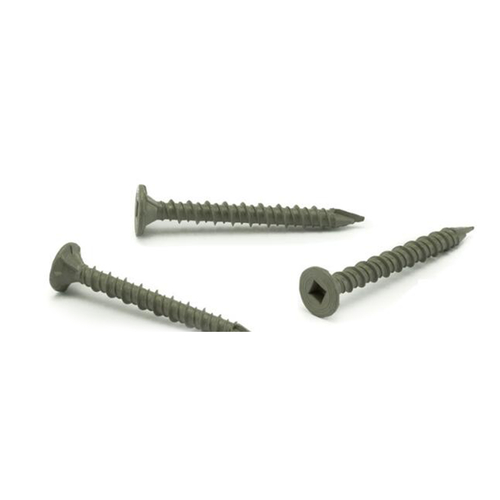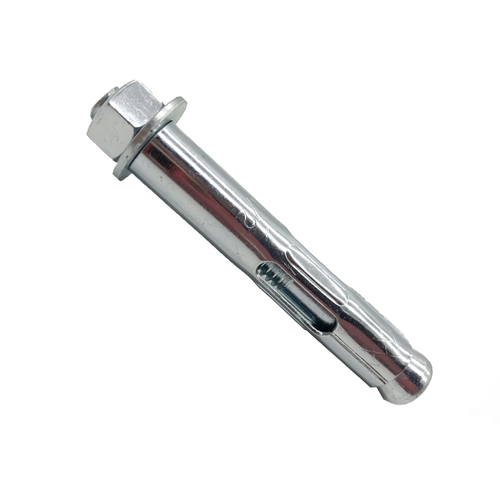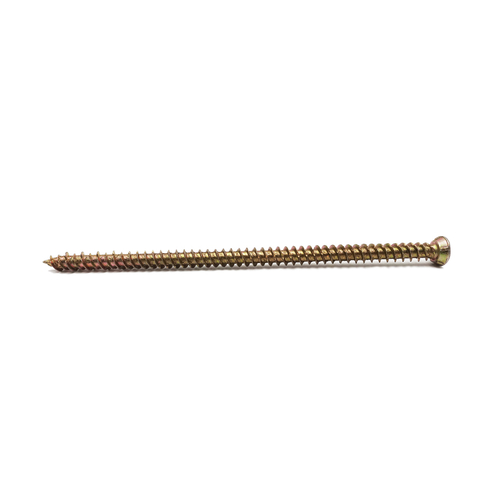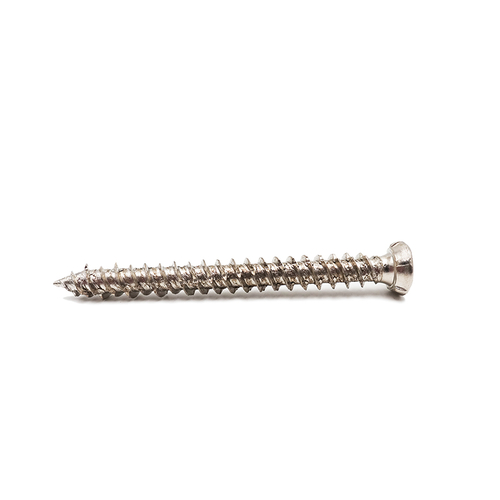
In modern furniture production, interior fit-out, cabinetry, packaging, and general wood assembly, the quality of a screw can determine the quality of the finished product. A chipboard screw must cut cleanly, drive smoothly, resist corrosion, hold firmly, and sit flush without damaging the surface. The Pozi double countersunk head chipboard screw with zinc plating is designed for exactly these requirements. It combines a stable Pozi drive, a double countersunk head structure, carbon steel strength, and protective surface treatment to deliver reliable fastening performance in chipboard, particle board, MDF, softwood, engineered wood panels, and related applications.
This article focuses on the product characteristics, competitive advantages, production range, manufacturing strengths, quality control methods, and practical value of this type of chipboard screw. It also explains why advanced manufacturing processes, controlled material selection, precise forming, accurate threading, heat treatment, and surface finishing are essential to consistent fastening performance.
Pozi double csk head chipboard screw zinc plated
Product Overview
The Pozi double countersunk head chipboard screw is a specialized fastener engineered for wood-based panels and furniture manufacturing. It is commonly produced from C1022A carbon steel, a material widely used for screws because it offers a good balance of strength, formability, and heat treatment performance. The screw is available in multiple diameters, including M2.5, M3.0, M3.5, M4.0, M4.5, M5.0, and M6.0, allowing users to select the right size for different board thicknesses, holding force requirements, and assembly conditions.
The product is generally manufactured according to DIN7505 requirements, which provides a recognized framework for chipboard screw dimensions and performance expectations. The surface can be zinc plated or yellow zinc plated, helping to improve corrosion resistance, enhance appearance, and extend service life in indoor and protected environments.
The screw is especially suitable for furniture, woodworking, cabinet assembly, home improvement, packaging, fastening components, stamping part assembly, and many other applications where strong holding power and clean surface appearance are required. The double countersunk head design enables the screw to seat more smoothly and distribute stress more effectively than many ordinary countersunk screws. The Pozi recess improves driving stability and reduces the likelihood of cam-out compared with less stable drive forms when matched with the proper bit.
Key Product Specifications
| Item | Specification | Practical Value |
|---|---|---|
| Product Type | Pozi double countersunk head chipboard screw | Designed for wood-based panels, chipboard, MDF, and furniture assembly |
| Drive Recess | Pozi, with Philips option available in the production range | Improves bit engagement and supports efficient installation |
| Diameter Range | M2.5, M3.0, M3.5, M4.0, M4.5, M5.0, M6.0 | Allows selection for light, medium, and heavy wood fastening needs |
| Head Type | Double countersunk head | Provides smoother countersinking and better surface finish |
| Material Grade | C1022A carbon steel | Offers strong mechanical performance after proper heat treatment |
| Standard Reference | DIN7505 | Supports dimensional consistency and international application compatibility |
| Surface Finish | Zinc plated or yellow zinc plated | Improves corrosion protection and finished appearance |
| Main Applications | Furniture, home tools, packaging, fastening, woodworking, interior assembly | Suitable for professional production and general construction use |
Why Chipboard Screws Require Specialized Design
Chipboard and particle board are different from solid timber. These engineered panels are made from compressed wood chips, fibers, particles, and resin binders. Although they are widely used because of their stable dimensions and cost efficiency, they can split, crumble, or lose holding power if fastened with the wrong screw. A conventional wood screw may not create the best thread engagement in this type of material. A poorly formed screw may tear the board fibers instead of cutting and compressing them. A weak head may deform during driving. A low-quality recess may slip and damage the screw or the workpiece.
A chipboard screw must solve these problems through its geometry and manufacturing accuracy. The thread must bite effectively into board material. The point must enter smoothly. The shank and thread must maintain strength during torque loading. The head must countersink without creating excessive surface cracking. The recess must transmit driving force efficiently. The surface treatment must protect the screw from environmental corrosion. The Pozi double countersunk chipboard screw combines these design factors into one practical fastening solution.
Advantages of the Pozi Recess
The Pozi recess is one of the most important features of this screw. Compared with a basic cross recess, a Pozi drive provides improved engagement between the driver bit and the screw. The design helps distribute torque more effectively, making it easier to drive the screw into dense chipboard or MDF with less slipping. In production environments where thousands of screws are installed every day, reduced bit slipping can improve efficiency, lower worker fatigue, and decrease damage to finished surfaces.
When the correct Pozi bit is used, the driver is less likely to ride out of the recess during installation. This is especially valuable in furniture assembly, where visible screw heads must remain neat and undamaged. A stripped screw head can delay production, damage panels, require rework, and reduce the visual quality of the finished product. The Pozi recess helps reduce these risks by providing stable torque transfer.
Another advantage is compatibility with automated or semi-automated driving equipment. In assembly lines, consistent bit engagement is essential. If the bit slips, the screw may enter at an incorrect angle, the head may not sit flush, or the recess may be damaged. A well-formed Pozi recess supports smoother feeding and driving performance, helping manufacturers maintain productivity and quality.
Benefits of the Double Countersunk Head
The double countersunk head is designed to improve seating and load distribution. In wood-based panels, the area around the screw head is often the most vulnerable to cracking, chipping, or surface swelling. A simple countersunk head may concentrate stress in a limited zone, particularly when driven too quickly or with excessive torque. The double countersunk profile offers a more refined contact geometry, allowing the head to settle into the material in a controlled way.
This design helps the screw sit flush with the surface, which is important in furniture, cabinets, shelves, and decorative panels. A flush head prevents interference with hinges, brackets, handles, sliding components, or surface coverings. It also gives the finished product a cleaner appearance. When screws are used under caps, plugs, or laminates, consistent countersinking is essential for a smooth final surface.
The double countersunk head can also improve resistance to head pull-through in certain applications. By distributing force more effectively around the countersunk area, the screw may provide more dependable clamping than a less optimized head design. This is particularly useful in furniture joints, panel-to-frame connections, and assembly points where vibration or repeated loading may occur.
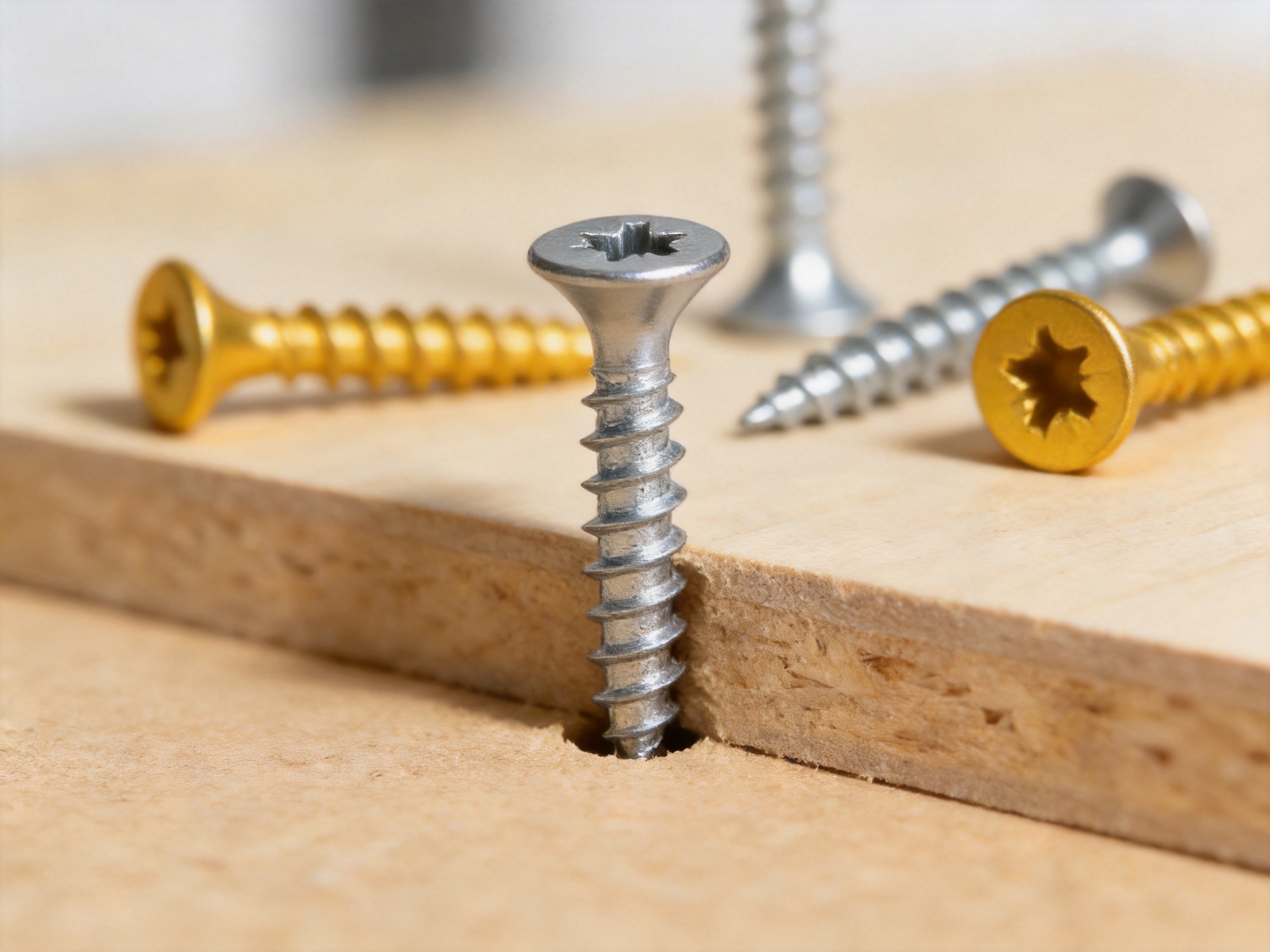
Zinc Plating and Yellow Zinc Plating
Surface finishing is not only about appearance. Zinc plating provides a protective layer that helps resist oxidation and corrosion. For indoor furniture, packaging equipment, home tools, and general fastener applications, zinc plating is a practical and economical surface treatment. It gives the screw a bright, clean finish and helps preserve the integrity of the steel beneath.
Yellow zinc plating provides a different visual appearance and may offer enhanced corrosion resistance depending on the coating system and passivation process used. It is often selected for applications where a warmer color tone is preferred or where additional environmental resistance is required within the limits of indoor and protected use.
Compared with uncoated screws, zinc-plated chipboard screws offer better storage stability, better appearance, and improved reliability during handling, transport, and installation. Unprotected steel may develop rust during storage in humid environments. Rust can affect driving performance, stain wood surfaces, and reduce customer confidence. A controlled zinc plating process helps prevent these problems.
C1022A Carbon Steel as the Material Foundation
The performance of a screw begins with material selection. C1022A carbon steel is commonly used in screw manufacturing because it can be cold formed into accurate shapes and then heat treated to achieve the required hardness and strength. For chipboard screws, this balance is very important. The screw must be hard enough to cut into wood-based materials and strong enough to resist torsional failure during driving, but it must not become so brittle that it breaks easily.
Advanced manufacturers pay close attention to incoming wire quality, chemical composition, wire diameter tolerance, surface condition, and mechanical properties. Consistent steel wire enables stable heading, accurate recess forming, reliable thread rolling, and predictable heat treatment results. If the raw material is inconsistent, even the best machines cannot produce consistently high-quality screws.
When C1022A steel is properly processed, it supports strong thread formation and durable head geometry. It also works well with zinc plating systems. This makes it a practical material for large-volume chipboard screw production where repeatability, cost control, and performance are all important.
Manufacturing Process Strengths
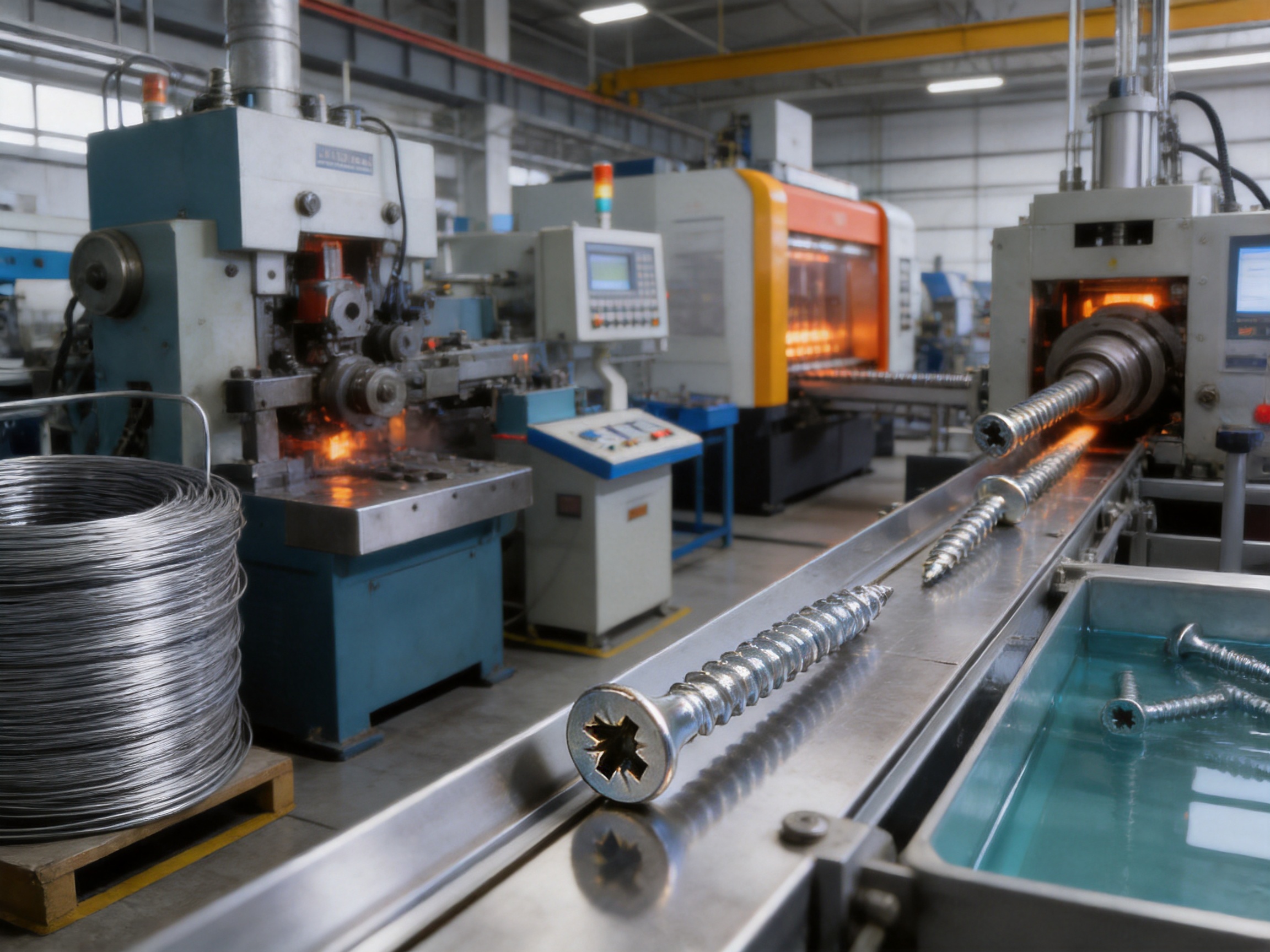
High-quality chipboard screws are not created by a single operation. They require a series of carefully controlled manufacturing steps. Each step affects the next one, and the final performance depends on the stability of the entire process. A professional screw factory must therefore combine material management, tooling design, high-speed forming equipment, thread rolling technology, heat treatment, plating, inspection, packing, and logistics into one integrated production system.
1. Wire Selection and Preparation
The process begins with steel wire. Wire coils must be inspected for diameter, surface defects, tensile condition, and suitability for cold heading. The wire may be drawn to the required diameter and prepared for high-speed production. Proper lubrication and surface preparation reduce friction during forming and help extend tool life. Stable wire preparation also improves dimensional consistency in the finished screws.
2. Cold Heading
Cold heading forms the screw head from steel wire without heating the material to melting temperature. This process creates strong grain flow and efficient material utilization. For a double countersunk head screw, the heading tooling must form the correct head angle, head height, diameter, and recess preparation geometry. If the head is too shallow, countersinking may be poor. If it is too large, the screw may not match customer requirements. If the head is not centered, the screw may wobble during driving.
Advanced heading machines provide high-speed production while maintaining tight tolerances. Skilled technicians monitor machine settings, tool wear, forming pressure, and part quality. This combination of equipment and experience is essential for producing stable screw heads over large production batches.
3. Recess Punching
The Pozi recess must be accurately formed. A shallow recess can cause bit slipping. An oversized or distorted recess can reduce torque transfer. A cracked recess may fail under driving load. Recess punching tools must therefore be precisely made and regularly maintained. The alignment between the punch and screw head is especially important. A centered, clean, well-defined Pozi recess is one of the most visible indicators of quality.
4. Thread Rolling
Thread rolling shapes the thread by pressing the screw blank between dies. Unlike cutting, rolling strengthens the surface through work hardening and preserves material continuity. For chipboard screws, thread geometry is critical. The thread must provide sharp entry, strong holding power, and consistent pitch. If the thread is poorly formed, it may tear the board, reduce pull-out strength, or create excessive driving torque.
High-quality thread rolling dies, controlled machine settings, and accurate blank dimensions are all necessary. The manufacturer must maintain thread profile consistency across different diameters and lengths. This is especially important for customers who use screws in automated assembly equipment, where even small variations can affect feeding and driving behavior.
5. Heat Treatment
Heat treatment transforms the mechanical properties of the screw. For C1022A steel chipboard screws, heat treatment can improve hardness, strength, and thread performance. However, this process must be carefully controlled. Overheating, uneven heating, incorrect quenching, or improper tempering may result in brittleness, bending, or poor torsional strength.
Professional manufacturing requires controlled furnaces, process monitoring, hardness testing, and batch traceability. The goal is to achieve screws that are strong enough to drive into demanding board materials without breaking, while still retaining sufficient toughness for real-world assembly conditions.
6. Surface Treatment
After forming and heat treatment, screws are cleaned and plated. Zinc plating requires controlled bath chemistry, current density, time, temperature, and post-treatment passivation. The coating should be uniform, adherent, and appropriate for the intended application. Poor plating can peel, discolor, create hydrogen embrittlement risk, or provide inadequate corrosion resistance. A strong factory controls these variables and verifies coating quality through inspection.
7. Sorting and Inspection
Inspection is essential before packing. Screws may be checked for dimensions, head geometry, recess quality, thread accuracy, length, surface finish, hardness, torsional strength, and visual defects. Sorting processes help remove defective pieces such as bent screws, malformed heads, damaged threads, mixed sizes, or plating defects. Consistent inspection protects customers from production interruptions and assembly problems.
8. Packaging and Delivery
Packaging must protect screws from moisture, contamination, and mixing. Clear labeling helps customers identify diameter, length, finish, standard, batch, and quantity. For distributors, factories, and furniture manufacturers, reliable packaging reduces warehouse errors and improves inventory control. A manufacturer with both factory production capability and warehouse support can respond more flexibly to customer schedules.
Competitive Advantages Over Ordinary Chipboard Screws
The Pozi double countersunk chipboard screw offers several advantages compared with many ordinary or low-cost alternatives. These advantages are not limited to one feature; they result from a combination of design, material, process control, and quality assurance.
More Reliable Driving
The Pozi recess provides stronger bit engagement than many basic recess designs. This improves torque transfer and reduces slipping. In practical terms, installers can drive screws faster and with more confidence. In automated production, this helps reduce stoppages and defective assemblies.
Cleaner Surface Finish
The double countersunk head is designed to seat neatly into wood-based panels. It helps create a flush surface and reduces the risk of rough head seating. For furniture and cabinets, this visible finish matters. A neat screw head improves product appearance and reduces rework.
Improved Holding Power
A properly rolled chipboard thread offers strong engagement in particle board and MDF. Compared with poorly formed threads, a controlled thread profile can improve pull-out resistance and joint stability. This is important for shelves, frames, drawer components, and structural furniture joints.
Better Corrosion Protection
Zinc plating and yellow zinc plating provide better storage and service protection than bare steel. Customers benefit from a cleaner appearance and reduced risk of rust during warehousing, shipment, or indoor use.
Consistent Size Range
The available diameter range from M2.5 to M6.0 supports many applications, from small fittings to stronger panel connections. A broad production range allows buyers to source multiple sizes from one supplier, improving purchasing efficiency and reducing supply chain complexity.
Material and Process Stability
Using C1022A carbon steel with controlled forming, threading, heat treatment, and plating creates more consistent results than low-grade production. Stable performance matters especially for professional users who cannot afford frequent breakage, stripping, or assembly defects.
Applications in Furniture and Woodworking
Furniture manufacturing is one of the most important application areas for chipboard screws. Modern furniture frequently uses particle board, MDF, laminated panels, plywood, and composite materials. These panels require screws that can hold securely without splitting the material. The Pozi double countersunk head chipboard screw is suitable for assembling wardrobes, cabinets, tables, shelves, drawers, bed frames, office furniture, kitchen units, and flat-pack furniture.
In flat-pack furniture, screws must be easy to install by workers or end users. A stable Pozi recess helps reduce installation mistakes. The double countersunk head helps the screw sit flush, improving both appearance and safety. A zinc-plated finish provides a clean look and helps prevent corrosion during storage and shipment.
In professional cabinet production, the screw must be compatible with repeated assembly operations. Workers need screws that enter quickly, hold strongly, and do not damage laminated surfaces. A poor screw can chip decorative surfaces or cause panel swelling around the head. The correct head design and thread geometry reduce these risks.
Applications in Home Tools, Fasteners, Packaging, and Stamping Parts
Beyond furniture, chipboard screws are also used in home tool kits, general fastener assortments, packaging frames, light-duty wooden structures, and assemblies involving metal stamping parts connected to wood or board materials. For example, a zinc-plated chipboard screw may be used to attach brackets, hinges, rails, clips, handles, and stamped metal plates to wooden panels.
In packaging applications, screws may be used in wooden crates, pallets, supports, and reusable packaging systems. The screw must install efficiently and hold under transport vibration. In home improvement, users value screws that are easy to drive with common tools, provide a neat finish, and resist rust under normal indoor conditions.
For stamping part assembly, dimensional consistency is particularly important. Metal parts often have pre-punched holes or countersunk openings. The screw head and diameter must match these holes accurately. A stable manufacturing process helps ensure that screws fit correctly and clamp the components securely.
Importance of DIN7505 Reference
DIN7505 is a recognized reference for chipboard screws. Manufacturing according to such a standard helps support consistency in dimensions, head form, thread geometry, and application expectations. For international buyers, standard-based production reduces uncertainty. It makes it easier to compare products, specify requirements, and ensure compatibility with existing designs.
However, a standard alone does not guarantee performance. The manufacturer must also maintain process control, raw material quality, heat treatment accuracy, plating quality, and inspection discipline. The best results come from combining standard-based dimensions with practical production expertise.
Quality Control as a Manufacturing Strength
Quality control is one of the main differences between professional screw production and low-cost inconsistent supply. A screw may look simple, but many hidden factors influence performance. The hardness may be too low or too high. The plating may be uneven. The thread may be incomplete. The recess may be shallow. The length may vary. The head may not be centered. Any of these defects can create problems during installation.
A strong manufacturer uses inspection throughout production rather than only at the end. Incoming material inspection prevents poor wire from entering production. In-process inspection catches tool wear and machine setting problems early. Heat treatment testing confirms mechanical performance. Plating inspection verifies appearance and corrosion protection. Final inspection ensures that the packed screws match the customer’s order.
For customers, this means fewer rejected parts, fewer production delays, and better consistency from batch to batch. In furniture factories, even a small percentage of defective screws can create significant labor costs. Reliable quality control directly supports customer productivity.
Manufacturing Capacity and Supply Chain Support
A capable screw supplier must do more than produce screws. It must support stable supply, clear communication, flexible packaging, and timely delivery. Lizhan Hardware Co., Ltd. operates with manufacturing resources in Zhejiang, China, and warehouse support in Chonburi, Thailand. This combination can help serve both production orders and regional distribution needs. For customers sourcing screws for furniture, fastener distribution, hardware retail, or industrial assembly, supply reliability is a major advantage.
Having experience across product categories such as new products, home tools, fasteners, packaging, and stamping parts allows a manufacturer to understand the different requirements of varied customers. A furniture factory may focus on assembly speed and surface finish. A distributor may focus on packaging, stock stability, and consistent labeling. A hardware retailer may need attractive assortments and dependable small-package quality. Industrial customers may emphasize technical specifications and batch consistency.
By supporting multiple product categories, the manufacturer can provide broader fastening solutions rather than only isolated screw supply. This is valuable for customers who want to reduce supplier complexity and work with a factory that understands different application environments.
Design Details That Improve User Experience
The best fasteners are those that perform well without requiring special attention from the user. When a screw is correctly designed, the installer simply places the bit, drives the screw, and achieves a secure, neat joint. Several design details contribute to this smooth experience.
The screw point must start easily. The thread must pull the screw into the material without excessive force. The recess must hold the bit securely. The head must sink cleanly. The coating must reduce surface friction and resist corrosion. The screw must be strong enough to withstand the driving torque. These details are especially important when users work with cordless screwdrivers, automatic screw feeders, or high-speed assembly stations.
Compared with low-quality screws, the Pozi double countersunk zinc-plated chipboard screw is designed to reduce common problems such as cam-out, head stripping, board cracking, inconsistent countersinking, rust spotting, and screw breakage. These benefits create value not only in the screw itself but also in the time and labor saved during assembly.
How to Select the Right Diameter and Length
Selecting the correct screw size is essential for performance. The diameter should match the required holding power and the thickness of the material. Smaller diameters such as M2.5 and M3.0 may be suitable for light fittings, thin panels, small brackets, and delicate assemblies. Mid-range diameters such as M3.5 and M4.0 are common in furniture and cabinet assembly. Larger diameters such as M4.5, M5.0, and M6.0 may be used where higher strength is needed, provided the board thickness and joint design can support them.
Length selection depends on the thickness of the upper component, the required penetration into the base material, and whether pilot holes are used. A screw that is too short may not provide enough holding power. A screw that is too long may penetrate through the opposite side or create unnecessary stress. In furniture production, accurate length selection prevents visible damage and improves joint strength.
Users should also consider board density. Dense MDF may require more driving torque than loose particle board. In some applications, pilot holes may improve accuracy and reduce splitting. The correct driving tool, bit type, and torque setting should be used to protect the screw and the workpiece.
Installation Recommendations
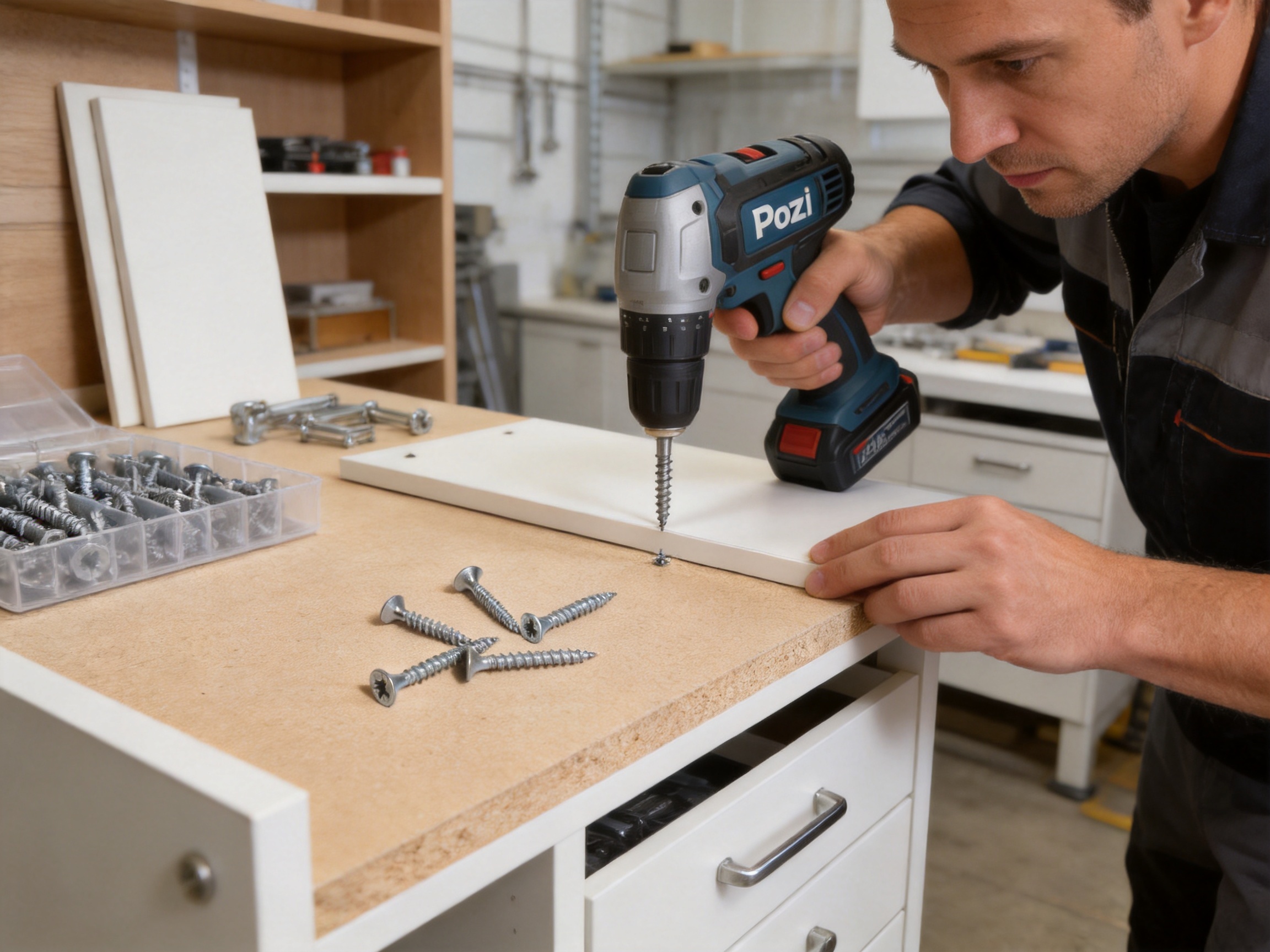
For best results, use the correct Pozi driver bit that matches the screw recess size. A worn or incorrect bit can damage the recess and reduce driving efficiency. Keep the driver aligned with the screw axis to prevent slipping or angled installation. Adjust torque settings to avoid overdriving, especially in softer board materials. If the screw is driven too deeply, it may reduce clamping strength or damage the panel surface.
When fastening near panel edges, consider using pilot holes or reducing installation torque to prevent splitting. In laminated boards, careful countersinking is important to avoid surface cracking. For automated assembly, test the screw with the actual equipment, bit, speed, and material before full production. This helps determine the best settings for consistent results.
Store screws in a dry environment to preserve the zinc-plated finish. Although zinc plating improves corrosion resistance, it is not intended for severe outdoor exposure unless additional protective specifications are applied. For outdoor or highly corrosive environments, customers should request suitable coating systems based on actual service conditions.
Why Manufacturing Expertise Matters
Many screws may appear similar at first glance, but their performance can be very different. Manufacturing expertise determines whether the recess is accurate, whether the thread is sharp and consistent, whether the head seats correctly, whether the heat treatment is balanced, and whether the plating is reliable. A cheaper screw that strips, breaks, rusts, or damages boards can cost far more in rework and lost productivity than a properly manufactured screw.
Advanced production requires investment in machinery, tooling, technical staff, inspection systems, and continuous process improvement. It also requires understanding customer applications. A factory that produces chipboard screws for furniture, fasteners, home tools, packaging, and stamping part assemblies must understand the different ways screws are used in real production. This application knowledge helps refine product details and support customers with practical recommendations.
Sustainability and Efficient Production
Efficient screw manufacturing can also support responsible resource use. Cold heading and thread rolling are material-efficient processes compared with machining from solid stock. Accurate production reduces scrap. Stable quality reduces waste caused by defective screws or damaged customer products. Proper packaging reduces transport damage and inventory loss.
In customer applications, a reliable screw can extend the life of furniture and assemblies by maintaining joint strength. Durable fastening reduces early product failure and unnecessary replacement. Although a screw is a small component, its quality contributes to the overall sustainability of the finished product.
Customer Value and Purchasing Considerations
When purchasing chipboard screws, buyers should evaluate more than unit price. Important factors include material grade, manufacturing standard, head type, drive type, surface finish, thread quality, hardness, torsional strength, packaging, delivery stability, and supplier communication. The Pozi double countersunk zinc-plated chipboard screw provides a strong balance of these factors.
For distributors, the product offers broad market appeal because it can serve furniture makers, woodworkers, hardware stores, and industrial users. For manufacturers, it offers stable installation performance and clean finished results. For project users, it provides practical reliability and easy driving. For retailers, the familiar zinc-plated appearance and common size range make it suitable for standard fastener assortments.
Lizhan Hardware Co., Ltd. supports customers through screw manufacturing experience, product category knowledge, and direct communication channels. Customers can discuss diameter, length, recess, finish, packaging, and order requirements with the sales team. Contact options include email communication and phone or messaging support through WhatsApp and WeChat, allowing practical coordination for international buyers.
Q&A Section
Q1: What is the main advantage of a Pozi recess in a chipboard screw?
The Pozi recess improves driver bit engagement and torque transfer. When the correct Pozi bit is used, it reduces slipping and helps prevent damage to the screw head, making installation smoother and more efficient.
Q2: Why is the double countersunk head useful?
The double countersunk head helps the screw sit flush in wood-based panels and distributes stress more smoothly around the head area. This improves appearance and reduces the risk of surface damage during installation.
Q3: What materials can this screw be used in?
It is designed mainly for chipboard, particle board, MDF, plywood, softwood, laminated panels, and other wood-based materials. It can also be used to attach hardware or stamping parts to wooden panels.
Q4: What does zinc plating do?
Zinc plating provides a protective coating that helps resist corrosion and improves the screw’s appearance. It is suitable for indoor and protected applications where clean finish and storage stability are important.
Q5: Is yellow zinc plating different from regular zinc plating?
Yes. Yellow zinc plating has a distinctive yellow or golden appearance and may provide enhanced corrosion resistance depending on the passivation process. It is often chosen for both appearance and functional protection.
Q6: Why is C1022A steel used?
C1022A carbon steel is suitable for cold heading, thread rolling, heat treatment, and plating. It provides a strong balance of formability, hardness potential, and fastening strength.
Q7: What sizes are available?
The production diameter range includes M2.5, M3.0, M3.5, M4.0, M4.5, M5.0, and M6.0. Lengths can be selected according to application requirements and production availability.
Q8: What standard is associated with this product?
The product is produced with reference to DIN7505, a recognized standard for chipboard screws. This helps support dimensional consistency and international application compatibility.
Q9: Can this screw be used in automated assembly?
Yes, it can be suitable for automated or semi-automated assembly when the correct size, bit, feeding system, and torque settings are used. Consistent recess and thread quality are important for automated performance.
Q10: How should the screw be stored?
Store the screws in a dry, clean environment. Keep packaging closed when not in use to protect the zinc-plated finish from moisture and contamination.
Conclusion
The Pozi double countersunk head chipboard screw with zinc plating is a practical and high-performance fastening solution for furniture, woodworking, packaging, home tools, fastener distribution, and related assembly applications. Its value comes from the combination of Pozi drive stability, double countersunk seating performance, C1022A carbon steel strength, DIN7505-based production, and corrosion-resistant zinc or yellow zinc plating.
Compared with ordinary low-quality chipboard screws, this product offers better driving reliability, cleaner countersinking, improved holding performance, stronger visual quality, and more dependable batch consistency. These advantages are especially important for professional users who require efficient installation and reduced rework.
Behind the product is the importance of advanced manufacturing. Wire selection, cold heading, recess punching, thread rolling, heat treatment, plating, inspection, and packaging must all be controlled to produce screws that perform reliably in real applications. A capable manufacturer with experience in fasteners, home tools, packaging, and related hardware categories can provide not only products but also practical support for customers across different markets.
For buyers seeking a versatile, stable, and well-finished chipboard screw, the Pozi double countersunk zinc-plated design offers a strong balance of performance, appearance, and production efficiency.
References
1. German Institute for Standardization. DIN7505 Chipboard Screws: Dimensional and Technical Reference.
2. Bickford, J. H. Introduction to the Design and Behavior of Bolted Joints. CRC Press.
3. Fastener Training Institute. Fundamentals of Threaded Fasteners and Fastener Materials.
4. ASM International. Heat Treating of Steel Fasteners: Materials and Process Guidance.
5. Wood Handbook: Wood as an Engineering Material. Forest Products Laboratory.
6. International Fastener Institute. Mechanical Fastener Standards and Quality Control Practices.