Two Screws, Two Jobs: Why the Distinction Matters
Anyone who has stood in front of a fastener bin labeled "self-tapping" next to one labeled "self-drilling" has probably asked the same question: are these not the same thing? The short answer is no, and the difference determines whether a job takes one step or two, whether a pre-drilled pilot hole is required, and whether the screws will survive being driven into galvanized steel without snapping.
This guide breaks down how each screws type cuts, holds, and performs across common substrates, including sheet metal, wood, and masonry, so the selection process stops being guesswork.
What Is a Self Tapping Screw?
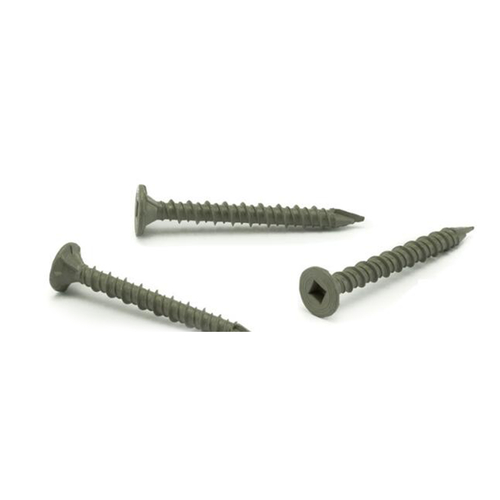
A self tapping screws is designed to cut its own mating threads into a pre-formed hole as it is driven. The hole itself is not created by the screws; it is either drilled beforehand or, in the case of soft materials such as plastic or thin wood, formed by the screws tip pressing material aside rather than cutting it away.
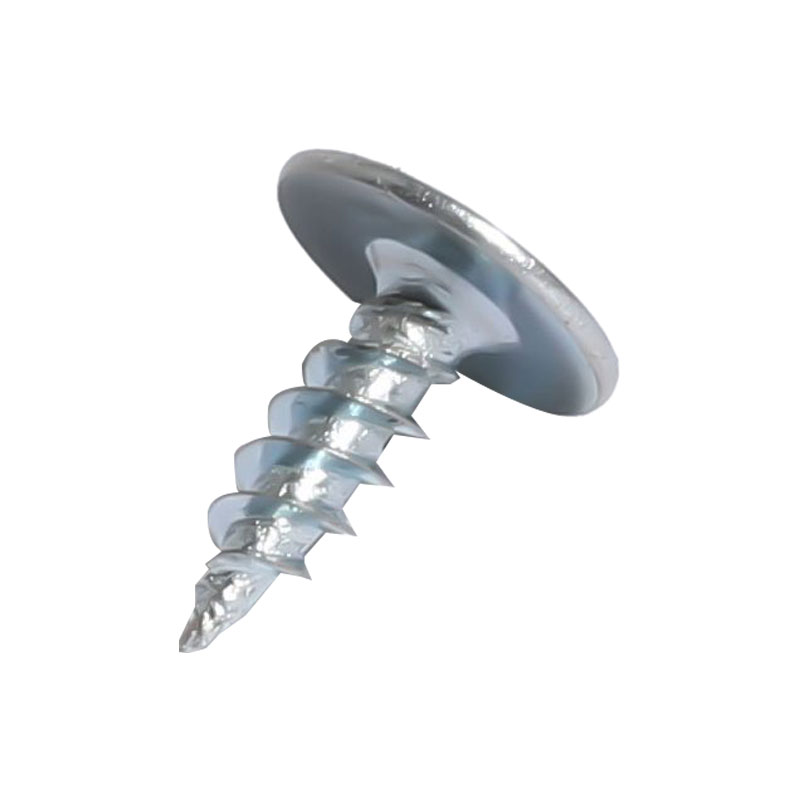
There are two general families within this category:
- Thread-cutting screws: These have a slot or gap near the tip that acts like a tap, removing material as the screws advances. Common in metal, plastic, and hardwood applications.
- Thread-forming screws: These push material outward to create matching threads without removing any material, which increases friction and grip. Common in softer plastics and particleboard.
Because a self tapping screws relies on an existing hole, it is typically used in assembly work where the hole has already been punched, cast, or drilled in a prior manufacturing step, such as attaching a bracket to a pre-drilled enclosure or joining plastic housing components.
What Is a Self Drilling Screw (Tek Screw)?
A self drilling screws, widely known in the trade as a tek screws, goes a step further. It carries a drill-bit-style point that bores its own hole and then immediately cuts threads as it continues to advance, all in a single driving motion. No pilot hole is needed.
The term "tech screws" is often used interchangeably with tek screws in casual conversation, and both refer to the same fastener family. You may also hear installers call the lighter-gauge versions "zip screws," a nickname that comes from how quickly they zip through thin sheet metal without a pre-drilled hole.
| Drill Point Number | Typical Material Thickness | Common Application |
|---|---|---|
| Point 2 | Up to 1.5 mm | Light gauge steel studs, thin sheet metal |
| Point 3 | 1.5 mm to 3.0 mm | Standard structural steel framing |
| Point 4 or 5 | 3.0 mm to 6.0 mm | Heavy steel sections, structural steel plate |
The drill point number roughly indicates how many millimeters of steel the point can penetrate before the threads begin engaging. Choosing a point that is too small for the material forces the screws to drill for too long before it starts to thread, generating excess heat and increasing the chance of the point burning out before it grabs.
Self Tapping vs Self Drilling: Side-by-Side Comparison
The table below lays out the practical differences an installer actually feels on the job site.
| Factor | Self Tapping Screw | Self Drilling Screw (Tek) |
|---|---|---|
| Pilot hole required | Yes, in most metal and hardwood uses | No, drills its own hole |
| Tip design | Sharp or blunt point, sometimes with a cutting slot | Fluted drill-bit style point |
| Installation steps | Two steps: drill, then drive | One step: drill and drive combined |
| Best material thickness | Thin sheet, plastic, softwood, pre-punched holes | Sheet metal, steel studs, structural steel framing |
| Installation speed | Slower due to separate drilling step | Faster for repetitive metal-to-metal fastening |
| Risk of thread stripping | Higher if hole is oversized or misaligned | Lower, since hole and thread are cut together |
Field note: A steel stud installer fastening interior track and framing typically favors tek screws precisely because there is no pause to switch to a drill bit between fasteners. On a single-story light commercial buildout, that time savings adds up across thousands of screws.
Choosing Between the Two: A Quick Decision Path
The diagram below walks through the basic decision logic most installers use in the field.
Sheet Metal Screws vs Wood Screws
It is tempting to assume any pointed screws will work on any material, but sheet metal screws vs wood screws behave very differently once torque is applied.
- Thread pitch: Wood screws use a coarse, widely spaced thread designed to bite into fibrous grain and resist pull-out. Sheet metal screws use a finer, tighter thread pitch matched to the thin cross-section of metal, since metal does not compress the way wood does.
- Shank design: Wood screws commonly have a partially unthreaded shank near the head, which allows the top piece of wood to be pulled tight against the bottom piece. Sheet metal screws are typically threaded along their full length to maximize engagement in thin material.
- Point type: Wood screws often use a sharp, tapered gimlet point that can start without a pilot hole in softwood. Sheet metal screws use either a sharp point for thin gauge material or a drilling point (as seen on tek screws) for thicker gauge steel.
- Failure mode: In wood, over-driving a screws strips the surrounding fibers. In metal, over-driving strips the cut threads inside the hole, and once stripped, the hole rarely holds a replacement screws of the same size without an oversized or specialty fastener.
Head and Point Styles Worth Knowing
Head shape affects clamping surface, appearance, and whether the fastener sits flush. A few styles come up repeatedly in sheet metal and framing work:
| Head Style | Typical Use |
|---|---|
| Pan head self drilling screws | General purpose metal-to-metal fastening where a slightly domed, low-profile head is acceptable and a wide bearing surface is useful |
| Hex washer head | Steel framing and structural connections needing a large driving surface and integrated washer for load distribution |
| Wafer head | Applications needing a very low profile with minimal head protrusion |
| Countersunk head | Flush finishes where the screws head must sit level with or below the material surface |
Among these, the pan head self drilling screws is one of the most commonly stocked variants because it balances a broad clamping face with a low profile, making it suitable for both cosmetic and structural light-gauge work.
Where Concrete Screws Fit In
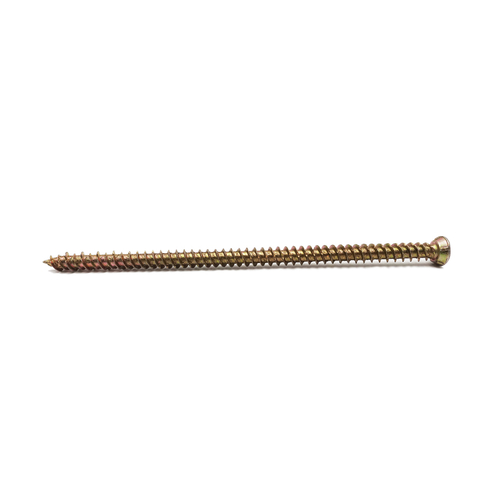
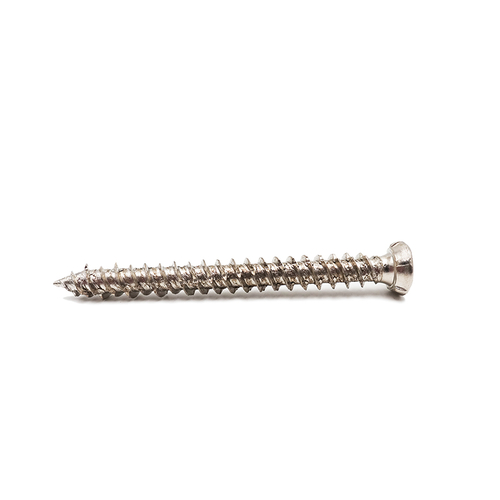
Concrete screws belong to a different category altogether. Unlike self tapping or self drilling screws, they are designed to cut threads directly into masonry, brick, or cured concrete after a pilot hole has been drilled with a masonry bit sized to the manufacturer's specification.
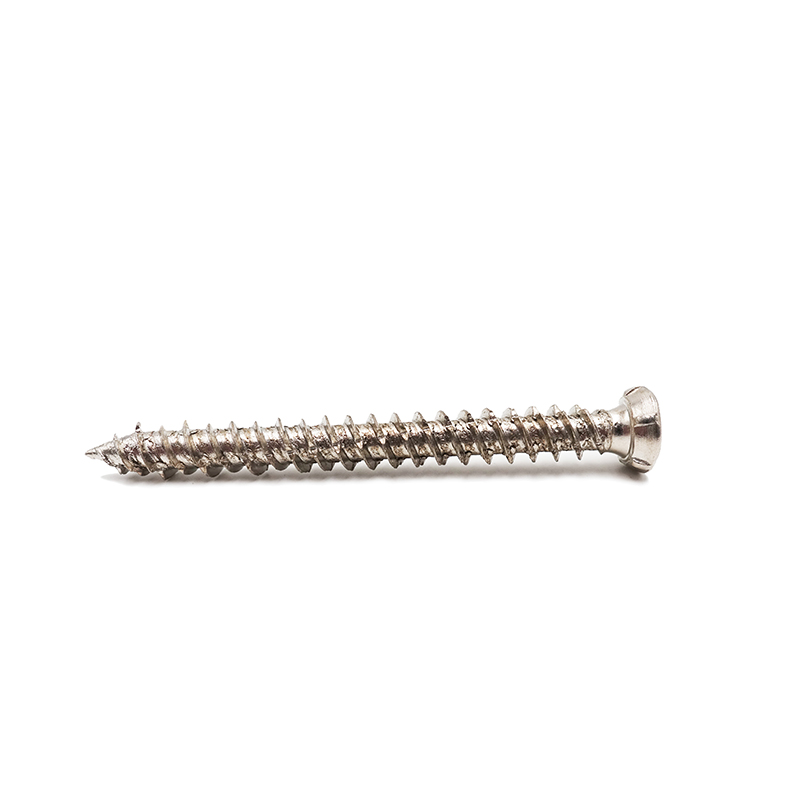
The threads on a concrete screws are typically high and widely spaced compared with a metal screws, since they need to bite into a rigid, brittle substrate rather than ductile metal. Driving speed also matters more here: concrete screws are usually driven at a slower rotational speed than tek screws to avoid overheating and snapping the shank inside the hole.
Neither self tapping nor self drilling screws should be substituted into concrete or masonry applications. The material hardness and thread geometry are simply not compatible, and doing so typically results in a stripped hole or a sheared fastener.
Drilling Screws in Structural and Light Gauge Steel Work
The broader category of drilling screws covers everything from small point-2 fasteners used in HVAC ductwork to heavy point-5 fasteners used in structural steel connections. Selecting within this range comes down to three practical checks:
- Confirm the combined thickness of all layers being joined, not just the top layer.
- Match the drill point rating to that combined thickness, erring toward the next size up if layers vary.
- Check coating compatibility, since galvanized or painted steel may require a specific corrosion-resistant coating on the screws itself to avoid galvanic reaction between dissimilar metals.
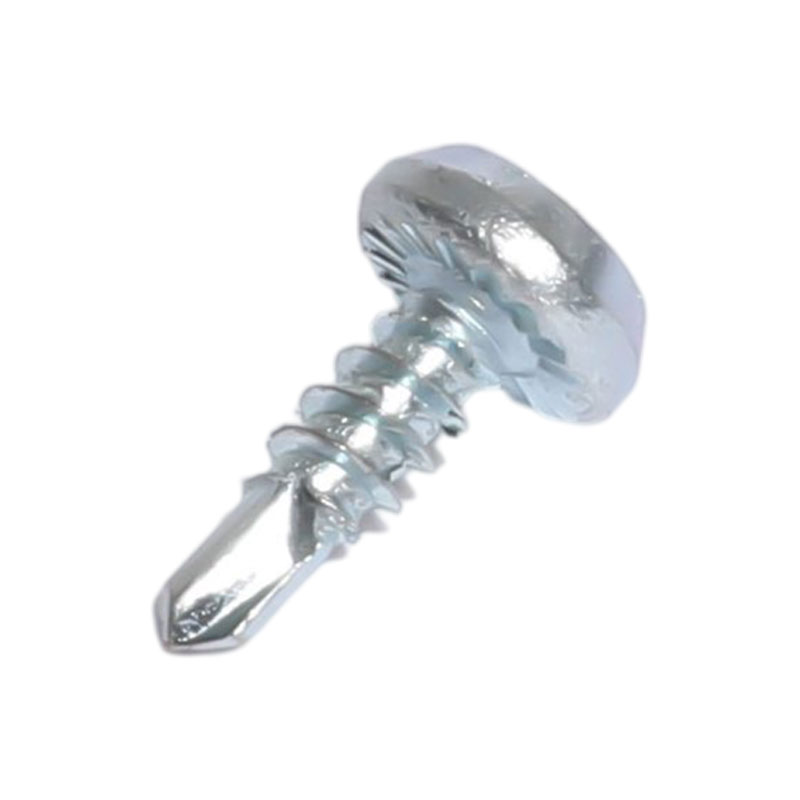
In multi-layer assemblies, such as attaching a metal panel through insulation into a steel purlin, the drill point rating needs to account for the total distance the point must travel before threads engage, not just the thickness of the outer panel.
Installation Practices That Extend Fastener Life
- Set driving speed correctly: Running an impact driver too fast on a self drilling screws generates excess heat at the tip, which can prematurely wear the drill point before it finishes boring.
- Apply steady, in-line pressure: Angling the driver even slightly off-axis during the drilling phase increases the chance of the point walking or snapping.
- Avoid over-driving: Once the head seats against the material, continuing to drive strips the threads and reduces clamping force, particularly in thin sheet metal.
- Check for swarf buildup: Metal shavings collecting around the threads during drilling can act like an abrasive, accelerating wear on coated fasteners.
- Store fasteners dry: Coated screws left in humid conditions can develop surface corrosion at the drive recess before installation, which then interferes with proper bit engagement.
Frequently Asked Questions
Q1: What is the main difference between self tapping and self drilling screws?
A self tapping screws cuts threads into an existing hole, while a self drilling screws, or tek screws, bores its own hole and cuts threads in a single continuous motion, removing the need for a separate drilling step.
Q2: Are tek screws and zip screws the same thing?
Yes, in most trade usage. Zip screws is an informal name for lighter-gauge self drilling screws, often used in light steel framing, and they function the same way as any other tek screws.
Q3: Can a self tapping screws be used without a pilot hole?
Only in soft materials such as thin plastic or particleboard, where the screws can form its own path. In metal or hardwood, a pilot hole is generally required to avoid excessive driving torque or thread stripping.
Q4: What drill point size should be used for standard steel studs?
Most standard steel stud framing, typically in the 1.5 mm to 3.0 mm thickness range, is well matched to a point 3 self drilling screws, though the exact gauge should be confirmed against the specific stud thickness on site.
Q5: Can self drilling screws be used in concrete?
No. Concrete requires a purpose-built concrete screws with thread geometry suited to a brittle, rigid substrate. Self drilling screws are designed for ductile metal and are not rated for masonry applications.
Q6: What causes a self drilling screws to snap during installation?
Common causes include driving at excessive speed, applying off-axis pressure, using a drill point that is undersized for the material thickness, or hitting an unexpectedly hard layer such as a weld seam.