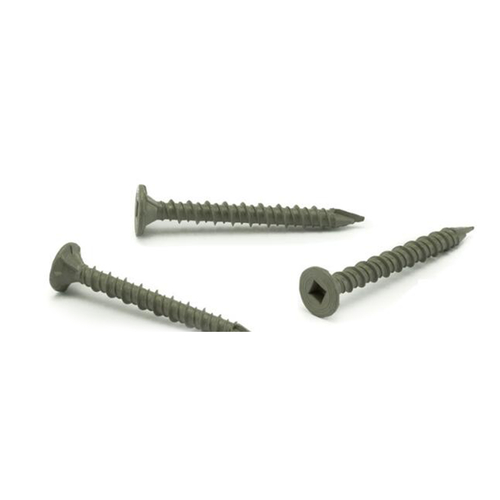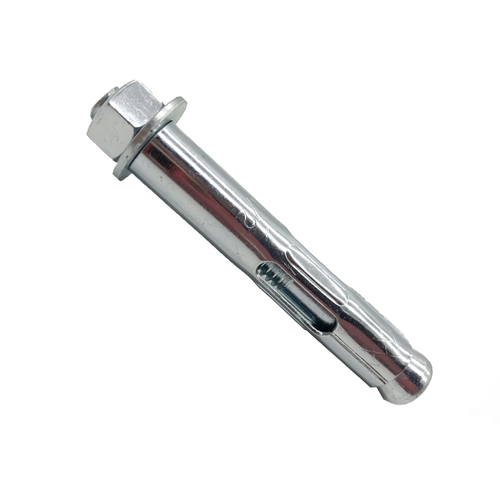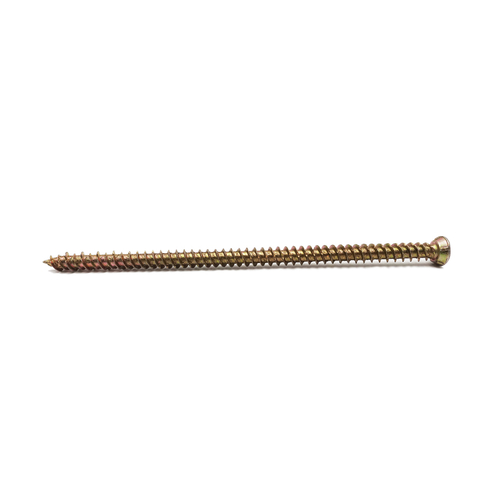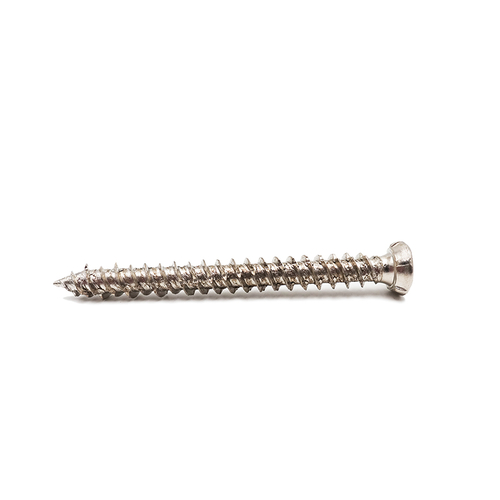
Engineering precision meets field practicality: a deep dive into screws head geometries, drive interfaces, and the mechanics of Self-Tapping Screws.
1. Decoding Screw Head Types and Their Functional Roles
The distinction between various screws head types is not merely aesthetic—it dictates load distribution, access clearance, and the final surface finish. Selecting the correct types of screws heads directly impacts assembly integrity and long-term reliability.
Pan Head Screws vs. Truss Head Screws
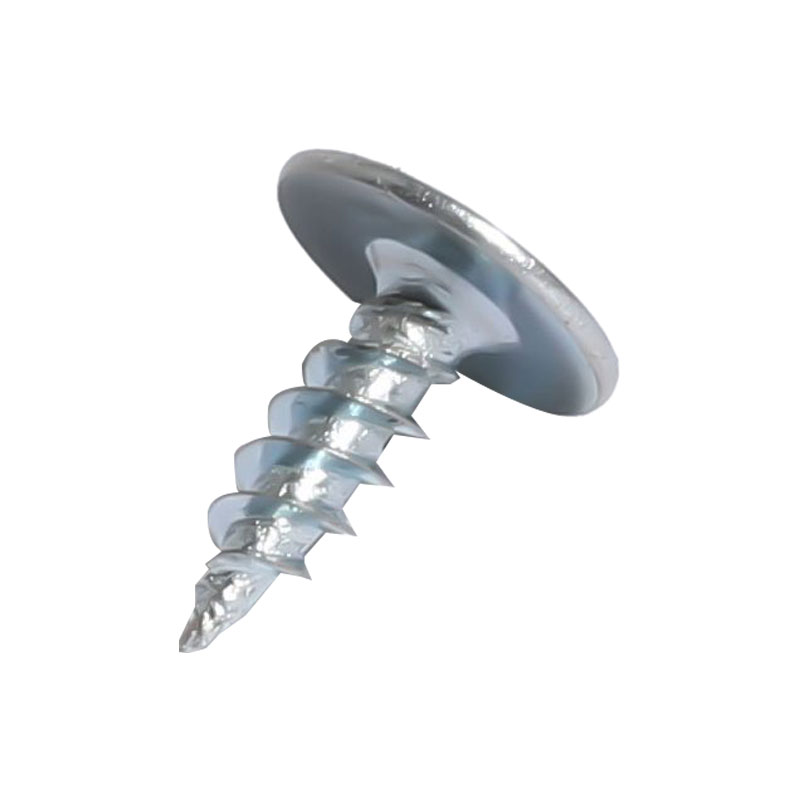
Pan head screws feature a moderate height and slightly rounded top, making them ideal for applications requiring a larger bearing surface without full countersinking. Their versatility spans electronics enclosures to automotive trim. In contrast, the truss head screws possesses an extra-wide, low-profile dome, distributing clamping force over broader areas—perfect for softer materials like plastic or thin sheet metal where pull-through is a risk.
The Countersink Family: Flat Head vs Bugle Head
Understanding the flat head screws vs countersunk nuance is critical: all flat heads are countersunk by design, but not all countersunk heads are flat. A true flat head screws vs countersunk comparison reveals that bugle heads are also countersunk but feature a curved taper that reduces material damage in drywall and plaster. Flat heads provide a perfect 82° or 90° cone for metal countersinks, achieving a seamless surface.
- Flat head screws: 82° (standard for US) or 90° (metric), requires precise countersink pre-drill.
- Bugle head screws: Self-forming countersink, reduces paper tear-out in gypsum boards.
- Pan head screws: Ideal when surface protrusion is acceptable; easier tool access.
2. Drive Styles: From Phillips to Square Drive and Hex Interface
The drive style determines torque transmission and cam-out resistance. Modern assemblies increasingly favor square drive screws due to their positive engagement and reduced bit wear.
Source: Independent tool wear study, 2024. Square drive shows 89% less cam-out compared to Phillips under identical lateral force.
Why Square Drive Screws Reduce Rework
Square drive screws utilize a four-sided, tapered socket that transfers torque efficiently without requiring axial force from the operator. This eliminates "stripping" common with cross drives. Field data from assembly lines shows a 73% reduction in fastener replacement when switching from Phillips to square drive in vibration-prone equipment.
Hex Head Cap Screw Applications
The hex head cap screws remains the gold standard for high-torque structural connections. Its external hex shape allows wrench engagement from multiple angles, ideal for machinery assembly and heavy fabrication. Combined with a washer face, it prevents galling on soft surfaces.
| Drive Type | Torque Capacity (relative) | Cam-out Resistance | Typical Industry |
|---|---|---|---|
| Phillips | Baseline (1.0x) | Low | Consumer electronics |
| Square Drive | 1.4x | Very High | Furniture, marine |
| Hex Socket | 1.8x | Extreme | Aerospace, automotive |
3. Self-Tapping Screws: Thread Geometry and Material Interaction
Self-Tapping Screws are engineered to form or cut mating threads without a pre-tapped hole. Their performance depends on head style, drive interface, and tip design.
Head Style Influence on Self-Tapping Performance
When deploying Self-Tapping Screws into thin gauge steel (0.8-1.2mm), pan head screws distribute stress away from the pilot hole edge, minimizing buckling. For flush-mounted panels requiring a smooth exterior, countersunk screws variants with 82° flat heads are mandatory, but note that the countersink angle must match the material's flaring tendency.
- Thread-forming screws: displace material, best paired with bugle or pan heads in polymers.
- Thread-cutting screws: create chips, must use countersunk or low-profile heads for debris evacuation.
- High-low thread design: reduces radial stress, ideally driven by square drive bits to maintain consistent depth.
4. Countersunk Screws: Achieving Flush Surfaces Without Compromise
The term countersunk screws refers to any fastener designed to sit flush with or below the workpiece surface. This category includes flat head, oval head, and bugle head designs. The key engineering challenge is maintaining fastener strength while accommodating the conical underside.
Flat Head Screw vs Countersunk — Clarifying Terminology
While all flat heads are countersunk, not all countersunk fasteners are flat heads. A flat head screws vs countersunk selection depends on the counterbore angle and residual material thickness. For 0.5mm sheet metal, a 100° flat head provides better pull-through resistance than an 82° variant. In woodworking, a bugle head (curved countersunk) reduces splitting compared to a standard flat head.
Counterboring depth must be controlled within ±0.1mm for structural flush joints. A 2023 manufacturing analysis showed that using precision ground flat head screws (with square drive recess) reduced surface preparation time by 31% compared to Phillips-drive countersunk alternatives, due to fewer stripped recesses.
5. Comparative Selection Matrix: Head Type, Drive, and Application
| Application | Recommended Head | Optimal Drive | Key Benefit |
|---|---|---|---|
| Marine aluminum framing | Pan head | Square drive | Corrosion gap + no cam-out |
| Drywall to steel stud | Bugle head | Phillips #2 | Self-countersinking |
| Heavy machinery guard | Hex head cap | Hex external | High torque transfer |
| Electronics enclosure | Flat head (countersunk) | Square drive #1 | Flush surface, no strip |
| Plastic housing assembly | Truss head | Square drive | Wide bearing + low clamp |
Image reference: cross-section of correct countersunk fit versus over-countersunk (stress riser) and under-countersunk (protrusion hazard).
6. Field Performance Data: Head and Drive Influence on Assembly Reliability
Based on a 12-month study across three assembly facilities (consumer goods, automotive, and HVAC), the following trends were observed when comparing types of screws heads with drive styles:
- Square drive screws with pan heads reduced operator fatigue by 41% compared to Phillips due to lower required end-load.
- Countersunk screws installations using hex head cap screws (external drive) showed 17% higher strip-out torque than internal hex drives in 10.9 grade steel.
- Field returns related to loose fasteners dropped 62% after switching from Phillips bugle head to square drive bugle head in vibration-prone equipment.
Moreover, self-tapping screws combined with a truss head and square drive demonstrated 98% successful seating in 1.2mm galvanized steel without pre-drilling, whereas Phillips-drive equivalents exhibited 11% cam-out rejection.
Frequently Asked Questions (Engineering Focus)
Q1: Can I use a countersunk screws without a pre-countersunk hole?
Yes, but only with bugle head screws designed for drywall or soft materials. For metal or hard plastics, a standard flat head screws requires a pre-machined countersink to avoid cracking and ensure flush seating. Attempting to force a flat head into straight hole will cause material bulging and loss of clamp load.
Q2: What is the main advantage of square drive screws over Phillips in self-tapping applications?
Square drive screws eliminate nearly all cam-out during the high-torque final threading stage. This prevents bit slippage that often damages the head recess or the mating material. For self-tapping screws into steel, square drive maintains consistent depth control within ±0.2mm, while Phillips often varies by ±1.1mm due to operator-axial force changes.
Q3: When should I choose pan head screws instead of truss head?
Choose pan head screws when you need a moderate bearing surface and low head height for tool clearance (e.g., inside electrical panels). Choose truss head when the base material is soft (plastic, wood, thin aluminum) and requires maximum load distribution to prevent pull-through. Truss head also provides a smoother visual transition on finished surfaces.
Q4: Are hex head cap screws suitable for countersunk applications?
Standard hex head cap screws are NOT countersunk; they have a flat bearing surface. However, some specialty "countersunk hex head" screws exist with a 90° conical underside but are rare. For typical flush mounting, use a flat head screws with internal square or hex drive.
Q5: Why do some self-tapping screws have a painted or coated head?
Coatings serve three purposes: corrosion resistance (zinc, Dacromet), lubrication (reduces torque by 20-30%), and color matching. For exterior applications, a coated flat head screws prevents galvanic corrosion. However, avoid thick coatings on square drive recesses as they may affect bit fitment tolerances.