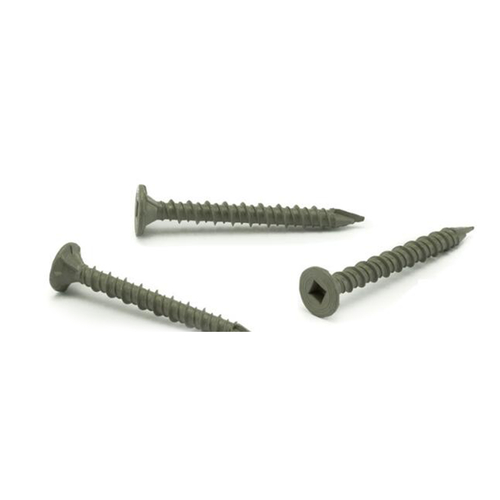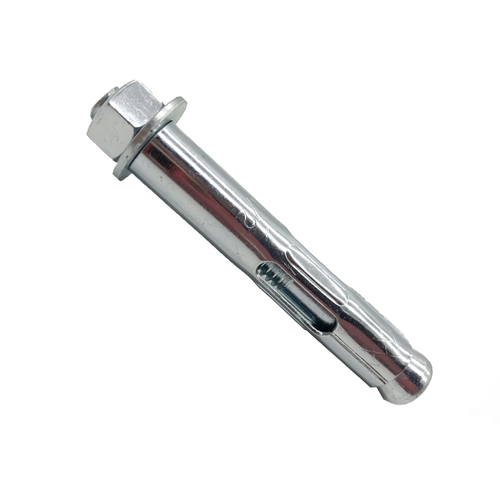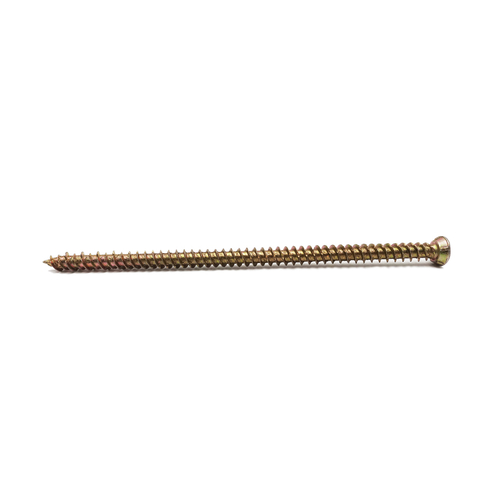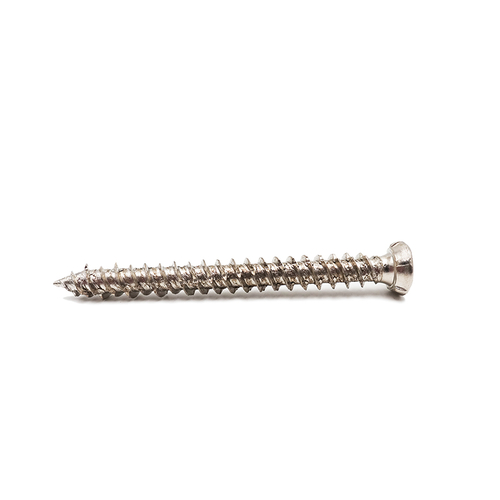
The self-tapping screws can be easily screwsed into the dry wall during assembly. A hole is self-drilled in the steel thread and the matching female thread is tapped. The horn head has a concave bearing surface that will not damage the wallpaper or plaster when screwsed in. Surface. Most self-tapping screws are for commercial purposes. For example, when self-tapping screws are provided as combination screws, they can provide a more compact service. Self-tapping screws, such as special design with thick and thin threads, should focus on the prevention after assembly loose.
Thread forming: It is directly developed from the iron screws. The thread forming self-tapping screws must be drilled in advance, and then the screws is screwsed into the hole to forcefully squeeze out the female thread, and the original material on the female thread will be removed. Squeeze between the male threads, this is called thread forming self-tapping screws.
Thread cutting self-tapping screws: cut one or more cutting holes at the end of the thread, so that when screwsing into the pre-drilled hole, the screws tail and teeth can be used to cut the matching female thread in a similar way to a screws tap. It can be used on thick plates, hard or fragile materials that are not easy to shape.
6 Thread rolling-triangular teeth self-tapping screws, also known as Type, is developed based on the principle of forming screws taps. Thread rolling self-tapping screws have specially designed threads and tail ends so that the screws can be self-tapping under intermittent pressure. Rolled into a matching female thread. At the same time, the material around the hole can more easily fill the space between the thread and the bottom of the self-tapping screws. Since its friction force is smaller than that of the thread-forming self-tapping screws, it can be used on thicker materials. The torque required for rotation is better controlled, and the combined strength is higher. The engineering standard definition of thread rolling into self-tapping screws is higher and clearer in terms of material, heat treatment, and strength than forming or cutting self-tapping screws. This makes the thread rolled into a self-tapping screws to become a real "structural" fastener.