Roofing Screws When it comes to securing a roof, the smallest components often bear the greatest r...



Roofing Screws
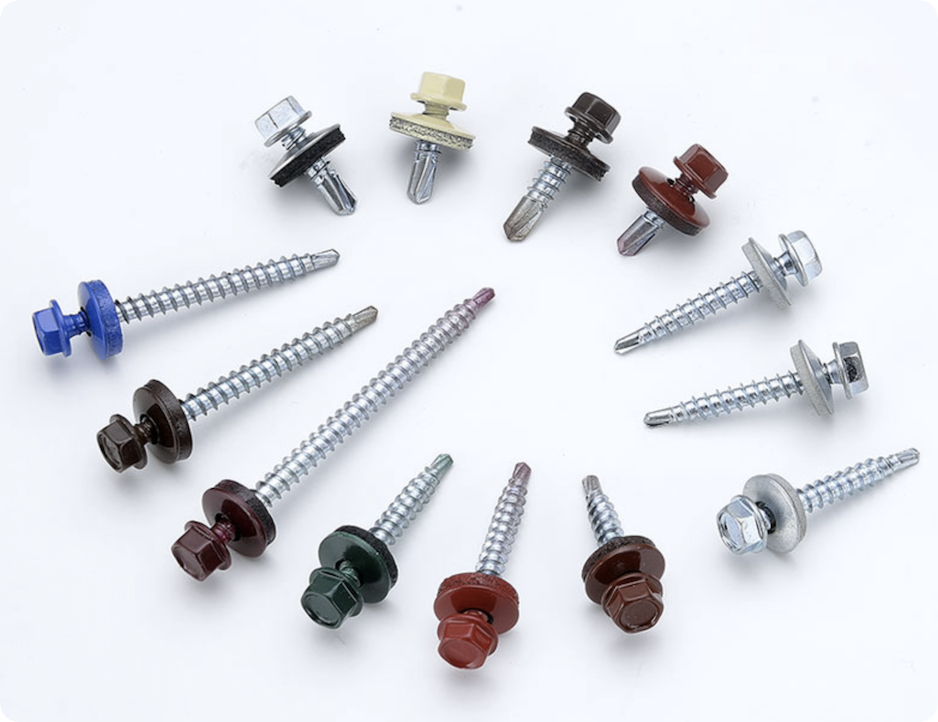
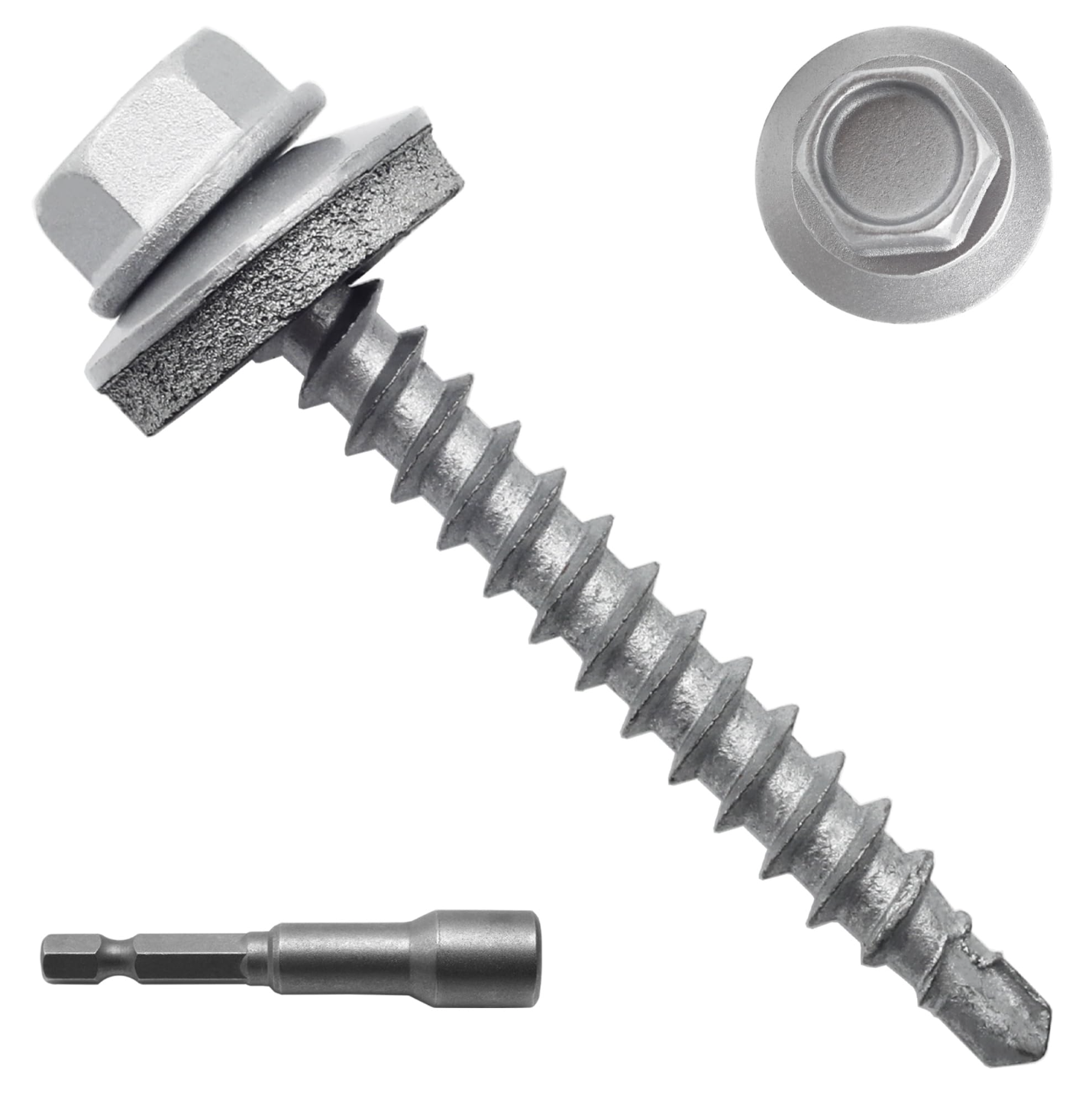
When it comes to securing a roof, the smallest components often bear the greatest responsibility. Roofing screws are specialized fasteners engineered specifically to attach roofing materials—such as metal panels, shingles, or polycarbonate sheets—to wood or metal substrates. Unlike standard screws, roofing screws are built to withstand weather conditions, prevent water leakage, and ensure the structural integrity of the roofing system for decades.
This comprehensive guide explores everything you need to know about roofing screws, including their anatomy, types, material specifications, and how to choose the right one for your project.
What Makes a Roofing Screw Different?
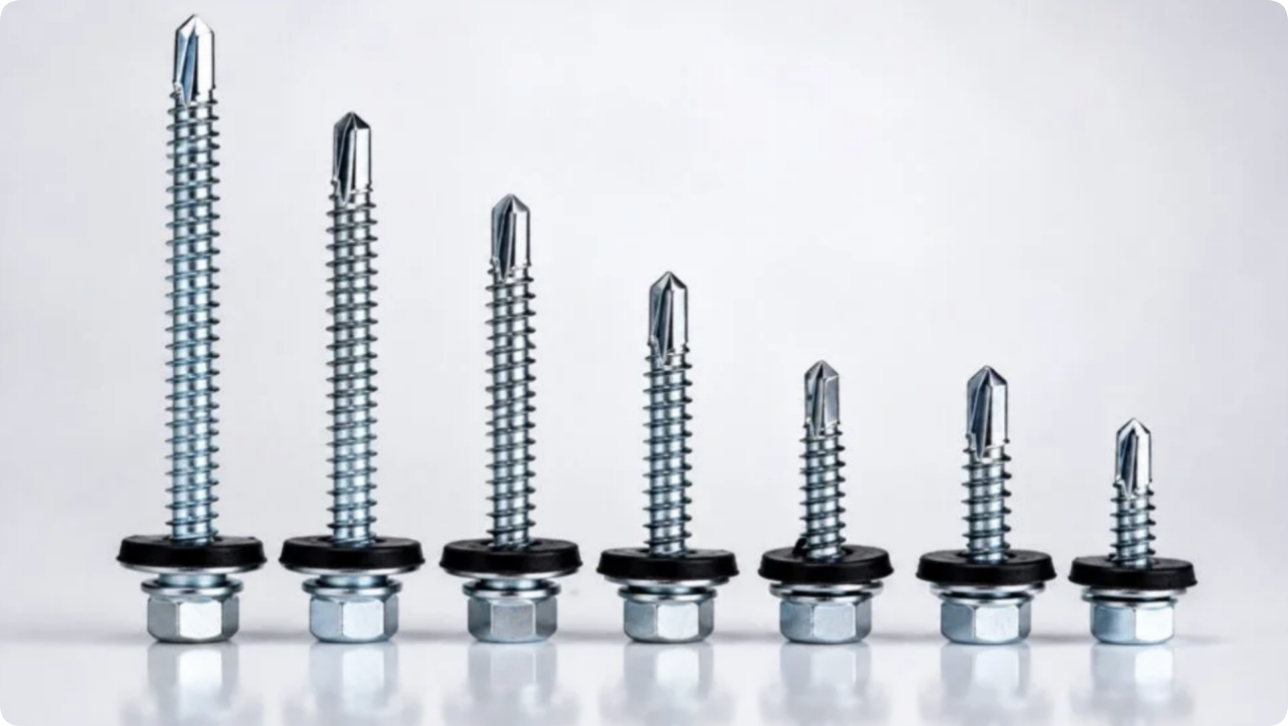
Standard wood or metal screws cannot be used for exterior roofing applications. Roofing screws feature a unique design tailored for outdoor environments:
Watertight Seal: The defining feature is the integrated EPDM rubber washer. When driven in, this rubber compresses to form a 1 waterproof seal, preventing rain and moisture from penetrating the screw hole.
Corrosion Resistance: Manufactured from carbon steel or stainless steel, they undergo specialized surface treatments (like galvanization or ceramic coating) to resist rust caused by acid rain, salt spray, and UV exposure.
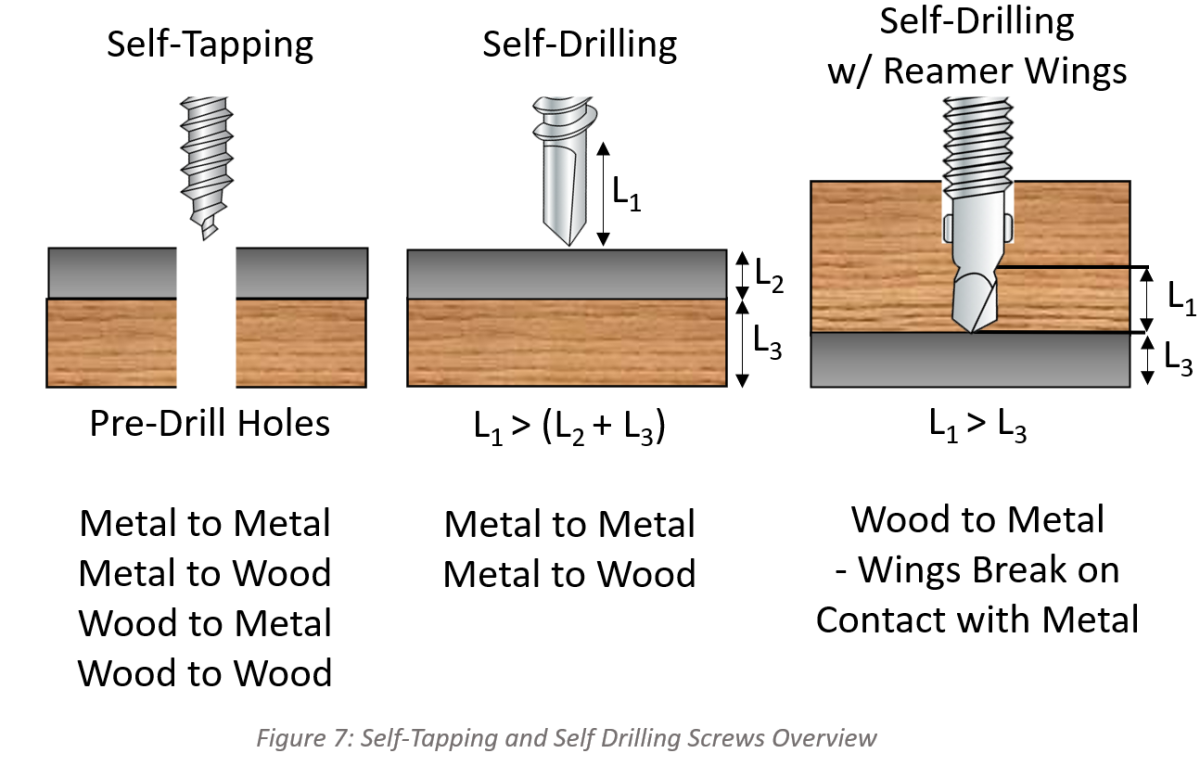
Self-Drilling Design: Most roofing screws are self-drilling point, meaning they drill their own pilot hole into the substrate (wood or metal) without the need for pre-drilling, saving significant installation time.
Weather-Exposed Head: They feature a large, flat, or hex head with a specialized coating that matches the roofing panel color, providing both aesthetic appeal and weather resistance.
Types of Roofing Screws
Choosing the right type of roofing screw depends on the roofing material and the underlying substrate (purlins). Here are the common types:
1. Wood-Grip Roofing Screws (For Wood Substrates)
These screws are designed to fasten metal panels to wood framing. They feature a coarse thread and a sharp point to grip wood securely. The drill point is usually shorter to prevent over-penetrating the wood purlin.
2. Metal-to-Metal Roofing Screws (For Metal Substrates)
Used for retrofitting or installing metal roofing over existing metal roofs or steel purlins. These screws feature a self-drilling tip (often with a #1, #2, or #3 drill point) designed to cut through both the metal panel and the structural steel beneath it.
3. Stitch Screws (Panel-to-Panel Fasteners)
Stitch screws are shorter screws used to attach overlapping metal roof panels side-by-side at the sidelaps. They prevent wind uplift and keep the panel seams tightly locked together.
4. Polycarbonate Roofing Screws
Designed with a smooth, oversized washer to prevent cracking or denting of polycarbonate or fiberglass sheets. They often have a finer thread to grip the specific densities of plastic roofing materials.
Material and Coating Specifications
The longevity of a roof depends heavily on the material and coating of the fasteners. Using mismatched metals (e.g., a carbon steel screw on a stainless steel roof) can to galvanic corrosion.
Carbon Steel with Galvanized/Epoxy Coating/Ruserpt /Magni 565: The economical choice for standard metal roofing. High-quality versions feature a multi-layer coating (e.g., zinc plating + epoxy + ceramic topcoat) that offers UV and salt spray resistance.
How to Choose the Right Roofing Screws
To ensure your roof's warranty remains valid and the installation lasts, consider the following factors:
1. Match the Substrate
Always check what you are screwing into. Using a wood-grip screw on a steel purlin will strip the screw and fail to hold. Use self-drilling screws for metal and self-tapping/wood-grip screws for timber.
2. Consider the Environment
If the building is located within 5 miles of a coastline or in an industrial/agricultural zone, always opt for Stainless Steel Screws. For standard residential areas, high-quality coated carbon steel (like our C2/C3 equivalent coatings) is sufficient.
3. Length and Thread Size
The screw must be long enough to penetrate the roofing material and embed at least 1 inch (25mm) into the wood substrate, or fully engage the threads in a metal substrate.
*Typical sizes for metal roofing:* 1-1/2" to 3" in length.
*Diameter:* Usually #10, #12, or 1/4".
4. Head Style and Color Matching
Hex Head: Most common for metal roofing. Offers torque transfer during installation.
Phillips/Pan Head: Common for polycarbonate roofing.
Painted Heads: Most metal roofing screws come with paint caps that match standard metal panel colors (like Energy Star or SMP colors) for a seamless finish.
Best Practices for Installation
Even the roofing screws can fail if installed incorrectly. Follow these pro tips:
Do Not Over-Drive: Stop driving the screw when the washer makes firm contact with the panel. Over-driving will deform the panel and damage the EPDM rubber, to premature leaks.
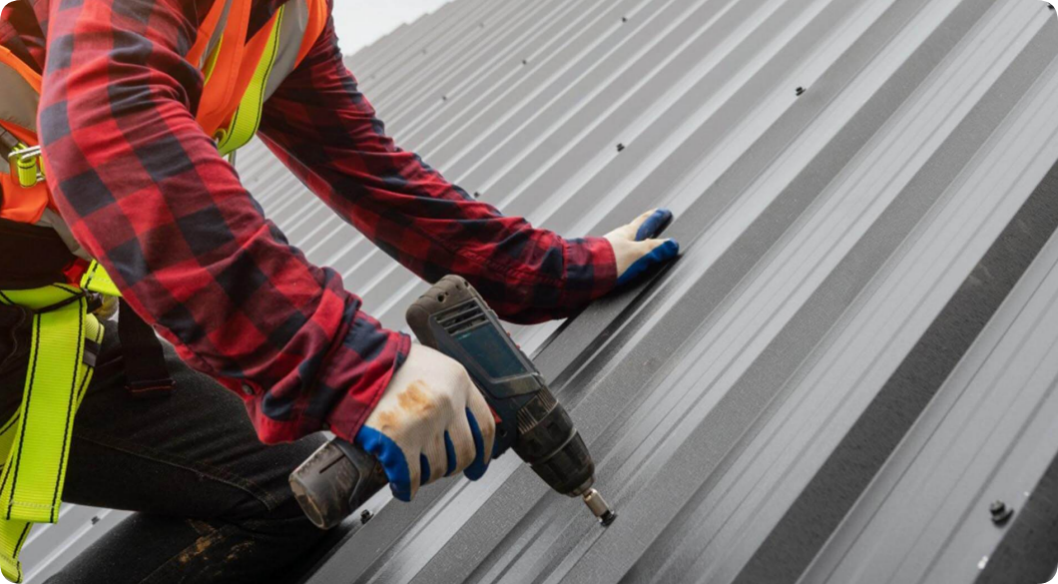
Install on the Rib (for metal roofing): Always drive screws through the high rib (peak) of the metal panel, not the valley. This prevents water from pooling directly over the fastener hole.
Use a High-Quality Driver Bit: Metal roofing screws require specific socket sizes (usually 1/4" or 5/16" hex). A worn-out bit will strip the screw head and ruin the panel coating.
Check the EPDM Washer: Ensure the washer is sitting flat against the metal surface. If it is tilted, water will get underneath.
Why Choose Our Roofing Screws?
When selecting a fastener supplier for your roofing project, quality consistency and reliability are paramount. Our roofing screws offer distinct advantages:
Consistent Quality & Stability: Manufactured under strict ISO standards, ensuring every batch meets tensile strength and dimensional requirements without deviation.
Reliable and Faster Delivery: We understand that construction schedules are tight. Our optimized logistics ensure stable and faster times to keep your project on track.
Accelerated R&D Implementation: Facing a unique fastening challenge? Our rapid R&D response team helps customize drill points, thread designs, and coatings to meet your specific needs, accelerating your product development and market launch.
Frequently Asked Questions (FAQ)
Q: How long do roofing screws last?
A: Standard carbon steel coated roofing screws last 15-20 years. Stainless steel roofing screws can last the lifetime of the roof (40-50+ years) without rusting.
Q: Can I use regular screws for a metal roof?
A: No. Regular screws lack the EPDM weather-sealing washer and the specialized corrosion-resistant coating required to withstand outdoor elements. They will rust and leak quickly.
Q: What is the difference between self-drilling and self-tapping screws?
A: Self-tapping screws require a pre-drilled pilot hole before threading into the material. Self-drilling screws feature a drill bit-like tip that cuts through the material and threads simultaneously, eliminating the need for pre-drilling.
Roofing Screws When it comes to securing a roof, the smallest components often bear the greatest r...
08 Oct 2026
Choosing a drywall screw is a 20-second decision on the jobsite, but the wrong choice announces itself months later as popped heads, rust s...
01 Oct 2026
Few things are as frustrating as a freshly finished wall developing screw pops three weeks after the painter leaves. The screw did not loos...
21 Sep 2026
Choosing the right deck screw for composite decking is a materials decision, not a hardware afterthought. Install composite boards with ord...
If you are interested in our products or have any questions, please consult us.
 Contact us
 No.2 Yuanrun Park, DaiFeng Road , Wanghai town, Haiyan, Jiaxing City, Zhejiang (China Factory). / 18 M.1 T.BANBUENG A.BANBUENG CHONBURI 20170 (Thailand Warehouse)
 314300
 gm@lizhan-hardware.net
 (Sales office):+86-18767197112 (WHATSAPP, WECHAT)
(Sales office): Sophia@lizhan-hardware.net
 www.lizhan-hardware.net
Copyright © Lizhan Hardware Co., Ltd. All Rights Reserved. Roofing Screws Manufacturer